
Lawn
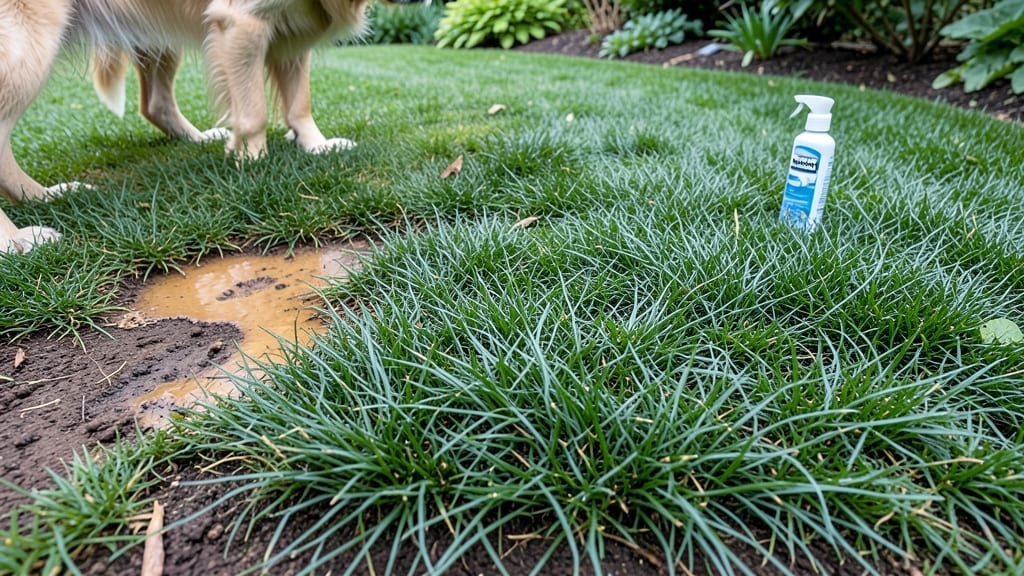
Those stubborn yellow pee spots on your lawn? They’re not just unsightly—they’re a silent killer of grass. 🌱 I’ve battled them for years, and this fast-green rescue with vinegar and baking soda actually works where store-bought remedies fail.
The science is simple: pet urine burns grass by raising soil pH and stripping nutrients, but these two household staples neutralize the damage in minutes. Start by mixing 1 part white vinegar with 2 parts water in a spray bottle, then add 1 tablespoon of baking soda per quart.
Spray directly on the affected areas, and watch the grass perk up within 24 hours. For severe damage, follow up with overseeding and a light top-dressing of compost to restore the lawn’s health. The best part? This fix doubles as prevention.
Train your pets to lift their leg in one designated area (like a gravel patch) and water the lawn immediately after they go—diluting the urine before it does damage. Within a week, your lawn will look like it never had a problem. Works for dogs, cats, or even kids’ accidents.
No harsh chemicals, no waiting months for recovery. Let’s get that green back fast!
The Hidden Culprits Behind Lawn Damage
If you’ve ever spotted those unsightly brown patches on your lawn, you’re not alone. The culprits behind pee spots aren’t just random accidents—they’re a mix of chemical reactions, soil conditions, and even pet behavior. Let’s break down the science behind why these spots appear and why they’re so stubborn.
When pets (or humans!) urinate on grass, the urine contains high concentrations of ammonia (NH₃) and nitrogen (N). These compounds act like a concentrated fertilizer at first, causing the grass to initially green up—but that’s just the beginning.
The real damage happens when the ammonia burns the grass blades at a cellular level. The high pH of urine (typically 6.5–8.0, compared to neutral soil at 6.0–7.0) disrupts the grass’s ability to absorb water and nutrients.
Over time, the affected blades turn brown and crispy, creating those familiar dead patches.
Why it’s worse: Warm, dry weather accelerates the process because the soil can’t dilute the urine quickly enough. In cooler, moist conditions, the damage is less severe.
Not all grass is created equal—and some varieties are far more sensitive to urine than others. Here’s how grass type plays a role:
- Cool-season grasses (e.g., Kentucky Bluegrass, Fescue) are more resilient because they’re adapted to handle fluctuations in soil chemistry. However, overwatering or compacted soil makes them more vulnerable to burn.
- Warm-season grasses (e.g., Bermuda, Zoysia) are generally tougher but can still suffer from chronic exposure. Their roots struggle to recover if the urine isn’t diluted or neutralized quickly.
- Thin or weak grass (due to poor soil, drought, or disease) has less root mass, making it easier for urine to penetrate deep enough to kill the plant.
Pro tip: If your lawn is already stressed (e.g., from drought or foot traffic), urine damage will be even more noticeable. Keeping grass healthy and thick is your first line of defense! 🌱
The way your soil reacts to urine depends on its texture, pH, and drainage. Here’s how each factor contributes:
| Soil Type | Problem | Why It Matters |
|---|---|---|
| Clay Soil | Poor drainage, slow urine absorption | Urine sits longer, increasing ammonia concentration and burn risk. |
| Sandy Soil | Fast drainage, but low nutrient retention | Urine washes away quickly, but grass lacks the nutrients to recover. |
| Compacted Soil | Reduced oxygen and water flow | Roots can’t absorb nutrients efficiently, making grass more susceptible to damage. |
| Alkaline Soil (pH > 7.0) | Ammonia lingers longer | The high pH of urine combines with alkaline soil to create a double burn effect. |
Actionable fix: If your soil is compacted or poorly draining, aeration can help. For alkaline soil, a light application of sulfur (to lower pH) may reduce damage over time.
It’s not just what your pets pee—it’s how often and where they do it. Here’s why some lawns suffer more than others:
- Small, frequent urinations (common in dogs) create more concentrated spots because the bladder empties less at a time.
- Male dogs often lift their legs, spraying urine in a higher concentration over a smaller area.
- Multiple pets using the same spot compounds the problem, as the soil never fully recovers between incidents.
- Indoor pets (cats, small dogs) may have more acidic urine due to diet, increasing burn risk.
Did you know? Some pet foods are formulated to dilute urine or make it less harmful to lawns. If you’re dealing with severe pee spots, it might be worth discussing with your vet! 🐾
Now that you know the science behind the damage, the good news is that prevention and quick action can save your lawn. Stay tuned for our next section on fast, natural fixes to restore those brown spots to green! 🌿✨
Quick Fixes for Lawn Pee Stains
Pee spots on your lawn don’t have to be a permanent eyesore—with the right approach, you can restore your grass to its lush, green glory. The solution depends on the cause of the damage (e.g., pet urine, wildlife, or human accidents) and the severity of the stain.
Below, we break down practical fixes, from immediate remedies to long-term prevention, so your lawn stays vibrant and healthy.
If your lawn has yellow or brown patches from concentrated urine (especially from pets or wildlife), the high acidity and nitrogen content are likely to blame. Here’s how to reverse the damage:
🍳 Step 1: Flush the Area
- Why? Diluting the urine reduces its harsh effects on grass roots.
- How?
- Use a garden hose to thoroughly soak the affected spot for 10–15 minutes.
- If possible, water the entire lawn afterward to prevent further localized damage.
👨🍳 Step 2: Apply a Vinegar & Baking Soda Mix (pH Balancer)
- Why? Vinegar neutralizes excess alkalinity, while baking soda counters acidity—restoring soil pH balance.
- How?
- Mix 1 cup white vinegar + ½ cup baking soda in a gallon of water.
- Pour the solution over the spot and let it sit for 5–10 minutes.
- Rinse with water.
🥘 Step 3: Fertilize with a High-Phosphorus Lawn Food
- Why? Pee spots often starve grass of nutrients—phosphorus helps roots recover.
- How?
- Choose a slow-release fertilizer (look for a 5-10-10 or 0-20-20 ratio).
- Follow package instructions for application.
⏰ Step 4: Monitor and Re-Water
- Keep the area moist (not soggy) for 3–5 days to aid recovery.
- Avoid heavy foot traffic until the grass regrows.
If the pee spot has killed the grass (brown, crispy patches), you’ll need to replace the damaged area with new seed.
🔪 Step 1: Remove Dead Grass
- Scrape away the dead grass with a hand trowel or rake.
- Loosen the soil slightly to help new seeds take root.
🌱 Step 2: Choose the Right Seed
- Match the seed type to your existing lawn (e.g., Kentucky bluegrass, fescue, or Bermuda).
- For fast recovery, opt for quick-germinating seeds (like annual ryegrass).
💧 Step 3: Plant and Protect
- Sprinkle seeds evenly over the bare spot and lightly cover with soil (¼ inch).
- Water daily (keep soil damp, not flooded) until new grass is 2–3 inches tall.
- Avoid mowing until the new grass is at least 3 inches high.
Once you’ve fixed the damage, prevent future stains with these easy habits:
| Problem | Solution |
|---|---|
| Pet urine spots | Train pets to pee in a designated gravel or mulch area away from grass. |
| Wildlife (deer, rabbits) | Install a motion-activated sprinkler or fencing to deter animals. |
| Kids’ accidents | Teach them to dilute urine with water immediately after incidents. |
| High-traffic areas | Plant clover or moss (more urine-resistant) in problem zones. |
| Soil acidity issues | Test soil pH and amend with lime if needed (aim for 6.0–7.0 pH). |
For frequent offenders (like pets), make a preventative spray:
- 1 gallon water
- 1 cup white vinegar
- 2 tbsp baking soda
- 1 tbsp dish soap (as a surfactant)
- Spray lightly on pee spots before rinsing to neutralize acidity on contact.
If your lawn has large dead patches (over 12 inches) or persistent discoloration, consider:
- Lawn repair services for sod replacement.
- A soil test to check for deeper nutrient deficiencies.
With these fixes, your lawn will bounce back—green, healthy, and stain-free in no time! 🌿💚
Frequently asked questions
Why do some grass types handle pee spots better than others?
Cool-season grasses like Kentucky Bluegrass have deeper roots and better resilience to soil pH changes, making them more tolerant of urine damage. Warm-season varieties like Bermuda grass recover faster in hot weather but still suffer from chronic exposure. The key is choosing grass types that match your climate and soil conditions.
How quickly should I treat pee spots to prevent permanent damage?
Act within 24 hours for best results. The longer urine sits, the deeper it penetrates and the harder it is to neutralize. Immediate watering helps dilute the ammonia, while a vinegar-baking soda mix can restore pH balance before the grass turns brown permanently.
Can I use commercial lawn products to fix pee spots?
Yes, but natural solutions often work just as well. Look for urea-based fertilizers (like Scotts Turf Builder) to replenish nitrogen, or iron supplements to quickly green up dead patches. However, vinegar and baking soda are safer for pets and children while being equally effective.
What's the best way to train pets to avoid peeing on the lawn?
Create a designated pee spot using gravel, mulch, or artificial turf in an inconspicuous corner. Use positive reinforcement when they use it correctly, and never punish them for accidents. For cats, a litter box near the yard can help redirect their habits.
Will overseeding fix large dead patches from chronic pee spots?
Only if the soil underneath is healthy. First remove all dead grass, then aerate compacted soil and apply a high-phosphorus fertilizer. Overseed with a fast-growing variety like annual ryegrass, and keep the area consistently moist until new growth appears (2-3 weeks).