
Lawn
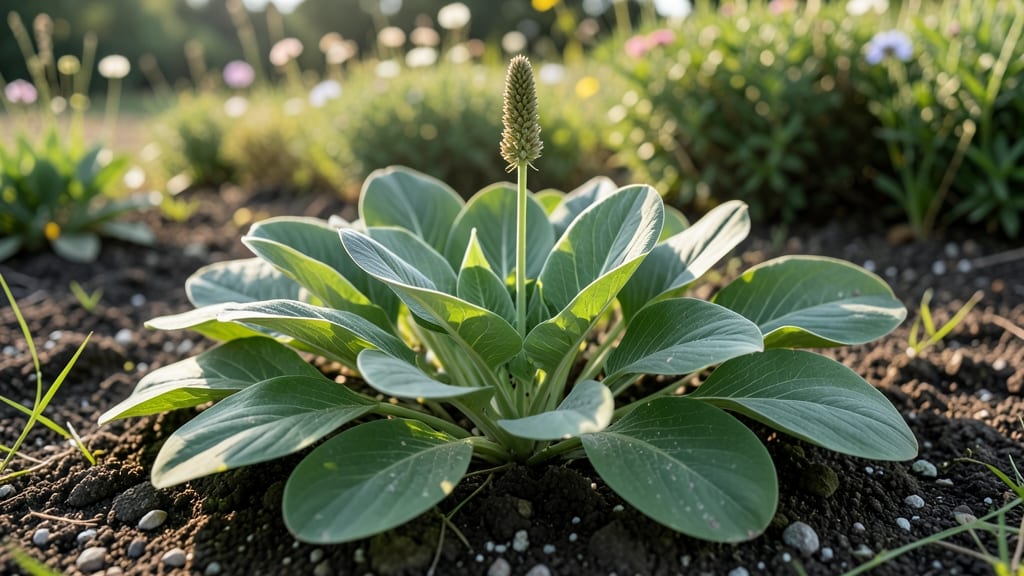
Those stubborn broadleaf weeds creeping into your lawn aren’t just unsightly—they’re plantains (Plantago major), and they multiply faster than you can pull them. 🌱 I’ve spent years battling these tenacious weeds, and I’ve learned the most effective ways to starve them out before they take over your yard.
The good news? With the right approach, you can reclaim your lawn without harsh chemicals or endless hand-pulling.
Plantains thrive in compacted, thin lawns where grass struggles to compete. They spread through seeds that germinate year-round, making them harder to control than annual weeds.
The key is combining mowing high (3–4 inches) to shade out new growth, overseeding with dense grass like fine fescue, and spot-treating persistent patches with vinegar or corn gluten meal for organic control. Chemical options like glyphosate work fast but require careful application to avoid damaging nearby plants.
Once you’ve suppressed the weeds, focus on soil health—plantains love poor, compacted soil. Aerate in fall, top-dress with compost, and water deeply but infrequently to encourage deep grass roots.
A thick lawn leaves no room for weeds to establish. Within a season, you’ll see fewer broadleaf intruders and lusher grass that crowds them out naturally.
For stubborn patches, a boiled water treatment (90°F+) or targeted pre-emergent in early spring can prevent regrowth. Consistency is key—plantains don’t disappear overnight, but with these methods, you’ll reduce them by 70%+ in just a few months. Your lawn will thank you with a cleaner, greener look all year.
The Hidden Triggers Behind Broadleaf Invaders
If your lawn is slowly transforming into a patchwork of broadleaf weeds—especially those stubborn plantain plants—you’re not alone. These hardy invaders thrive in conditions that might seem ideal for your grass but are actually perfect for their survival.
Understanding why they take over is the first step to reclaiming your yard. Let’s break down the science behind their persistence and how your lawn might be unknowingly inviting them in.
Plantains (like broadleaf plantain, Plantago major) are opportunistic weeds that exploit weak soil. Here’s how your lawn’s soil might be setting them up for success:
- Compacted Soil: Heavy foot traffic, machinery, or clay-heavy soil compresses the ground, reducing oxygen and water penetration. Plantains thrive in these low-oxygen zones because their shallow roots can still access moisture near the surface—while your grass struggles to grow deep roots. Actionable fix: Aerate your lawn in early fall or spring to loosen compacted areas.
- Low Nutrient Balance: Plantains flourish in soil lacking nitrogen but with sufficient phosphorus and potassium. If your lawn has uneven fertilization (e.g., too much phosphorus from synthetic fertilizers or old lawn clippings), plantains see it as a buffet. Actionable fix: Test your soil and apply a balanced fertilizer (e.g., 16-4-8) to starve out weeds while feeding grass.
- High Moisture Retention: Plantains love damp conditions but can’t handle waterlogged soil. Instead, they prefer soil that stays consistently moist without being soggy—common in shady or poorly drained areas. Actionable fix: Improve drainage with sand or organic matter (like compost) if your yard holds water after rain.
Pro Tip: 💡 Mow high (3–4 inches) to shade out weeds and encourage deep grass roots, which crowd out plantains naturally.
Plantains are shade-tolerant but not shade-dependent—they exploit partial shade and light gaps created by thin grass. Here’s how your lawn’s light dynamics might be helping them:
- Thinning Grass Canopy: If your lawn has bare spots (from disease, drought, or poor seeding), plantains rush in to fill the gaps. Their rapid germination means they can sprout within 48 hours of exposed soil. Actionable fix: Overseed bare patches in fall with a dense grass mix (e.g., tall fescue or perennial ryegrass) to block sunlight.
- Tree and Shrub Shadows: Dappled shade from mature trees creates microclimates where plantains thrive. They outcompete shade-tolerant grasses like fine fescue but struggle in full sun. Actionable fix: Mulch tree bases with wood chips (3–4 inches) to suppress weeds without harming grass.
- Seasonal Light Shifts: Early spring and late summer, when grass grows slowly, plantains seize the moment. Their prostrate growth habit lets them spread across lawns before grass fills in. Actionable fix: Apply pre-emergent herbicide in early spring (before plantain seeds germinate) to disrupt their lifecycle.
Pro Tip: ✨ Mulch mowing (leaving grass clippings on the lawn) can smother plantain seedlings by depriving them of light—just ensure your mower is set to no higher than 1/3 of the grass height.
Plantains are resilient across climates, but certain weather conditions accelerate their spread. If your region has these traits, your lawn is at higher risk:
| Weather Factor | How It Helps Plantains | Actionable Solution |
|---|---|---|
| 🌧️ Frequent Rainfall | Plantains germinate best in moist soil. Heavy rains wash away soil-borne pathogens that might otherwise limit their growth. | Improve drainage with gypsum or sand if your yard floods after storms. |
| ☀️🌡️ Hot, Dry Summers | Drought-stressed grass weakens, leaving gaps for plantains. Their deep taproots let them survive dry spells while grass wilts. | Install deep-rooted grass varieties (e.g., Bermuda or Zoysia) or install drip irrigation for consistent moisture. |
| ❄️ Mild Winters | Plantains don’t die back in freezing temps, so they resprout earlier in spring. In warmer zones, they grow year-round. | Apply post-emergent herbicide in late winter (when plantains are actively growing) to weaken them before spring. |
Pro Tip: 🌡️ Monitor your lawn’s moisture levels—plantains thrive in soil that’s moist but not waterlogged. Adjust irrigation to keep grass deeply watered (1–1.5 inches per week) to outcompete weeds.
Even well-maintained lawns fall prey to plantains when everyday practices unintentionally spread their seeds. Here’s how:
- Improper Mowing: Mowing too low (<1 inch) stresses grass, creating ideal conditions for plantains. Their seeds are also lightweight and sticky, hitching rides on mower blades and spreading across your yard. Actionable fix: Mow at 3–4 inches and clean your mower deck weekly to remove weed seeds.
- Over-Fertilizing: Excess nitrogen (common with fast-release fertilizers) can temporarily boost grass growth but also fuels broadleaf weeds like plantains. The imbalance makes grass vulnerable to drought and disease. Actionable fix: Use slow-release, organic fertilizers (like compost or algae-based products) for steady nutrient release.
- Ignoring Seed Spread: Plantain seeds can travel via wind, water, animals, and even gardening tools. If you’ve moved soil or plants from another area, you might’ve unknowingly introduced them. Actionable fix: Sterilize tools with rubbing alcohol between uses and avoid moving soil from infested areas.
Pro Tip: 🔥 Hand-pull plantains before they flower—each plant can produce 20,000+ seeds per season. Bag and dispose of them (don’t compost!) to prevent reseeding.
How to Fix Unwanted Plantain Growth
Now that you understand why plantains (or Plantago major) might be popping up in your lawn, it’s time to tackle them effectively—without harming your grass or the environment.
Below are practical, step-by-step solutions tailored to the most common causes of plantain invasion, plus prevention tips to keep your lawn lush and weed-free long-term.
Best for: Small patches, organic lawn care, or when you want immediate results.
- 🔪 Pull at the Right Time - Plantains thrive in moist soil, so pull them after rain or watering when the ground is soft. This makes roots easier to extract. - Grab the plant at the base (where the leaves meet the soil) and tug firmly.
A weed puller or garden fork helps loosen stubborn roots.
- 🌱 Remove the Whole Plant
- Do not leave fragments—even a small piece of root can regrow! Break up clumps and inspect the soil for missed pieces.
- Pro tip: Use gloves—plantain sap can irritate skin.
- 🗑️ Dispose Properly
- Toss pulled plantains in the trash (not compost)—they’ll resprout if left on-site.
Best for: Large infestations or when manual removal isn’t feasible.
- 🧪 Choose the Right Herbicide
- Selective herbicides (like 2,4-D or dicamba) kill broadleaf weeds (including plantains) while sparing grass. Spot-treat only affected areas to avoid damaging your lawn.
- Non-selective herbicides (e.g., glyphosate) work faster but kill everything they touch—use only if you’re replanting the area.
- 🌿 Apply Correctly
- Read the label—some herbicides require evening application to reduce harm to bees.
- Water lightly after spraying to help absorption (but avoid overwatering, which can wash it away).
- ⏰ Follow Up
- Plantains may regrow in 2–4 weeks. Repeat treatment if needed, or combine with manual removal for stubborn patches.
Best for: Keeping plantains from returning and maintaining a healthy lawn.
| Cause | Solution | Prevention Tip |
|---|---|---|
| Thin or Patchy Grass | Overseed bare spots with tall fescue or perennial ryegrass for dense coverage. | 💡 Mow high (3–4 inches) to shade out weeds and improve grass health. |
| Poor Drainage | Aerate compacted soil and improve drainage with sand or compost. | ✨ Test soil pH (ideal: 6.0–7.0) and amend with lime or sulfur if needed. |
| Overwatering | Water deeply 2–3 times per week (early morning) instead of daily light watering. | 🌡️ Adjust sprinklers to avoid soggy spots where plantains thrive. |
| High Nitrogen Fertilizer | Switch to a balanced fertilizer (e.g., 10-10-10) or organic options like compost. | 🍃 Apply slow-release fertilizer in early spring to avoid weed-friendly surges. |
| Foot Traffic Compaction | Redistribute walkways with mulch or stepping stones. | 👟 Use garden paths to reduce soil compression in high-use areas. |
If you prefer chemical-free methods, try these: - 🍳 Vinegar Spray (for small areas): Mix 1 gallon white vinegar + 1 oz dish soap + 1 cup salt.
Spray directly on plantains (avoid grass). Reapply every 3–5 days until dead. - 🌱 Corn Gluten Meal: Apply pre-emergent corn gluten meal in early spring to prevent weed seeds from germinating. - 🐞 Encourage Beneficial Insects: Ladybugs and ground beetles eat plantain seeds.
Plant clover or marigolds to attract them naturally.
If plantains cover more than 20% of your lawn or you’re dealing with soil issues (like clay or poor drainage), consider hiring a lawn care specialist. They can assess root causes and recommend customized treatments without harming your turf.
Final Pro Tip: 🎯 Combine methods for best results—e.g., pull existing plantains, overseed bare spots, and adjust watering habits to starve them out. Consistency is key! With these steps, your lawn can go from weed-ridden to lush in no time.
Frequently asked questions
How do I tell if those broadleaf weeds are actually plantains?
Look for long, oval-shaped leaves growing in a rosette pattern close to the ground. Plantains also have thick, fibrous roots and produce small, spiky seed heads that look like tiny green balls. Unlike dandelions, they don’t have milky sap when pulled.
Will vinegar really kill plantains without harming my grass?
Only if applied very carefully! Use a 1:1 vinegar-water mix with 1 tablespoon dish soap as a surfactant, and spray only the weeds on a dry, sunny day. Avoid spraying grass, as vinegar will burn it too. For best results, repeat every 3-5 days until the weeds die.
Can I just mow over plantains and make them go away?
No, mowing alone won't eliminate them. While it may slow their spread, plantains have deep roots that regrow quickly. For best results, combine mowing with hand-pulling or spot treatments. Mow at 3-4 inches to shade out new growth and strengthen your grass.
How long does it take to completely remove plantains from a lawn?
With consistent effort, you can see 70% reduction in 2-3 months. Complete eradication may take up to 1 year, especially if the soil conditions (like compaction or poor drainage) aren't addressed. The key is combining removal methods with lawn maintenance to prevent regrowth.
Are there any natural predators that can help control plantains?
Yes! Ladybugs, ground beetles, and certain caterpillars feed on plantain seeds and seedlings. Plant clover or marigolds in your lawn to attract these beneficial insects. You can also introduce ducks or chickens to heavily infested areas—they love eating young plantains!