
Planting
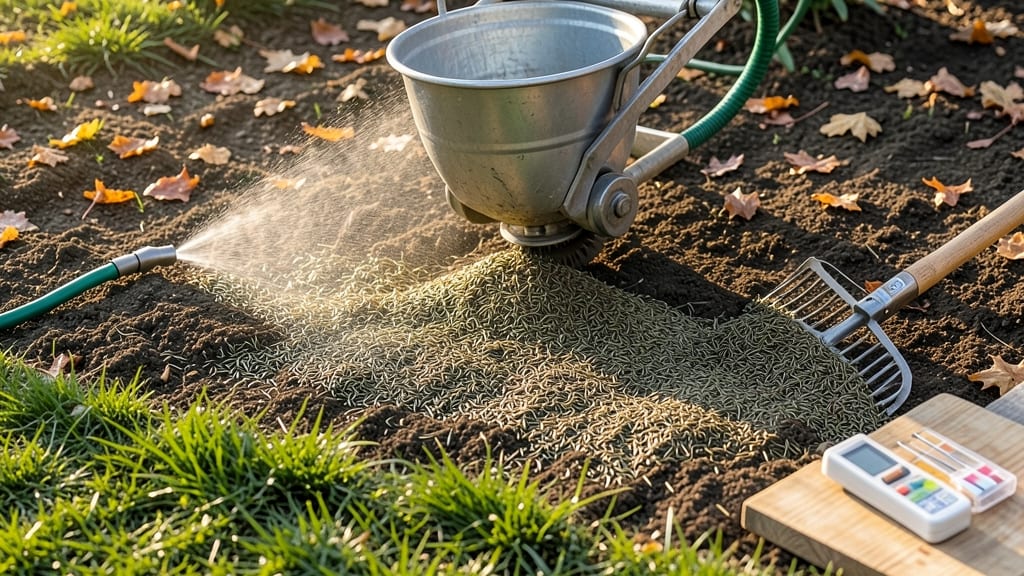
Planting lawn seed in autumn is your best shot at a lush, thick lawn 🌱—if you time it right and prep the soil correctly.
Autumn is the perfect time for cool-season grasses, but only if you follow the right steps. Skipping key prep work can leave you with patchy lawns or wasted seed, even in ideal fall weather.
Why? Cooler temperatures and consistent moisture give seeds the ideal conditions to germinate before winter dormancy. In USDA Zone 6a, aim for September to October—planting too late risks weak roots before frost.
Here’s how to pick the right grass type, prep your soil, and keep your new lawn thriving through winter. Three critical steps make all the difference between a patchy mess and a thick, green carpet next spring.

3 Critical steps for planting lawn seed in autumn (with timing secrets)
Autumn's cool temperatures and moderate rainfall create perfect conditions for cool-season grasses to establish strong roots before winter. But timing and technique matter—plant too late, and your seedlings won't survive the cold. My 3-step method ensures your lawn thrives from seed to dormancy without wasted effort or patchy results.
First, soil temperature must drop below 80°F but stay above 50°F—this 6-week window is your golden opportunity. Northern regions hit this zone in early September, while southern areas wait until October's chill. Miss it, and you risk weak germination or winter kill before roots deepen.
Prep Soil Like a Pro
Test your soil pH (ideal: 6.0-7.0) and amend with compost or peat moss if needed. Loosen soil 2-3 inches deep with a rake—never till deeply, or you'll disrupt roots.
Choose the Right Seed
Pick cool-season blends like tall fescue (shade-tolerant) or Kentucky bluegrass (drought-resistant). Avoid warm-season grasses—they'll brown out in winter. Pro tip: Mix 3 seed types for faster coverage.
Plant at the Perfect Depth
Scatter seeds ¼-inch deep (never bury deeper) and cover lightly with straw mulch. Water gently to soak soil, not flood it—aim for 1 inch of moisture weekly. Avoid walking on new seedlings for 3 weeks.
Your planting window varies by region: Northern states (Zones 4-6) should plant by mid-October, while Southern states (Zones 7-9) have until early November. Check your last frost date—plant 4-6 weeks before to let roots establish before dormancy.
After sowing, water deeply twice daily for the first 2 weeks, then taper to morning watering. Avoid fungus risks by watering at soil level (not overhead). Once seedlings hit 3 inches tall, mow high (3-4 inches) to shade roots and crowd out weeds.
By late autumn, your grass should enter dormancy with a dense root system. Skip fertilization now—focus on light mulching to protect seedlings from freeze-thaw cycles. Spring will reward you with lush, uniform growth if you nailed these steps.
Remember: Autumn planting isn't just about timing—it's about soil health, seed selection, and patient care. Follow these steps, and your lawn will outperform spring plantings by 30-50% next year. Happy growing!
Best cool-season grass types for autumn planting (ranked by hardiness)
When autumn rolls in, cool-season grasses thrive because mild temperatures and increased rainfall create perfect growing conditions. But not all grasses handle winter equally—some stay green through frost, while others go dormant. Choosing the right lawn seed variety ensures your investment survives the cold months and returns lush next spring.
Your climate zone plays a huge role. In USDA Zones 3-5, grasses must endure harsh winters, while Zones 6-7 offer milder conditions.
Let’s compare the top cool-season grass types—tall fescue, Kentucky bluegrass, perennial ryegrass, and fine fescue—so you can pick the best match for your yard’s needs and your region’s frost timeline.
| Grass Type | Cold Tolerance | Shade Tolerance | Ideal Planting Window | Best For |
|---|---|---|---|---|
| Tall Fescue | Excellent (-30°F) | Moderate (30-50% shade) | Late August–October | Drought-resistant lawns, full sun |
| Kentucky Bluegrass | Good (-20°F) | Poor (needs full sun) | September–early October | High-traffic areas, vibrant green |
| Perennial Ryegrass | Moderate (-15°F) | Good (30-60% shade) | Late August–September | Fast germination, temporary cover |
| Fine Fescue | Superior (-35°F) | Excellent (50-80% shade) | September–October | Shady lawns, low-maintenance |
Tall fescue is my top pick for northern climates because it stays green late into fall and recovers quickly in spring. It handles drought stress better than most, making it ideal for USDA Zones 4-8. Plant it 4-6 weeks before frost for best results.
If your lawn gets partial shade, fine fescue is the winner—it thrives where others struggle. This grass stays dormant but alive through winter, unlike Kentucky bluegrass, which often turns brown in cold snaps. For shady yards, mix fine fescue with perennial ryegrass for faster germination and density.
For high-traffic areas, Kentucky bluegrass is unmatched, but it demands full sun and regular mowing. Plant it in September to give roots time to establish before winter. Avoid planting too late—seedlings won’t harden off before frost.
Pro tip: Mix grass types for a resilient lawn. Combine tall fescue (for durability) with perennial ryegrass (for quick cover) and fine fescue (for shade). This blend approach ensures year-round coverage and minimizes bare spots.
Remember, soil prep matters most. Test your soil’s pH (ideal: 6.0-7.0) and amend with compost before planting. Cool-season grasses need consistent moisture—water deeply 2-3 times weekly until germination, then taper to 1 inch per week once established.