
Lawn
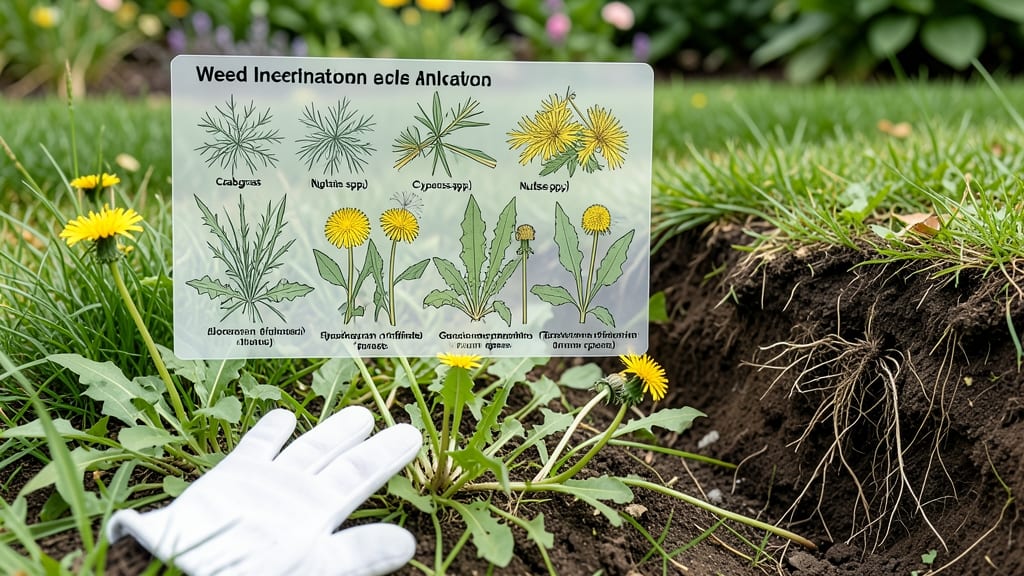
Your lawn might look green but hide a battle with the problem grasses in lawn—like crabgrass, nutsedge, and other tough weeds. 🌱 I’ve spent years pulling stubborn grasses that no herbicide could kill—and I’ll show you how to spot them early, yank them out fast, and keep them from coming back next season.
The worst offenders—like crabgrass and nutsedge—love thin spots and summer heat. They spread fast, crowding out your grass and leaving bare patches. The good news?
A mix of pre-emergent treatments in spring, hand-pulling when soil’s damp, and overseeding weak areas can turn your lawn into a weed-free zone in 30 days or less.
You’ll recognize the difference immediately: no more pulling weeds that keep growing back, no more patches that look like they’re fighting for survival. Instead, your lawn stays thick, green, and resistant to invaders—even in the toughest summer months.
Works for any lawn type, from shady yards to sunny backyards. Let’s get those problem grasses under control for good.
Root Causes Of Unwanted Grasses
When your lawn starts looking more like a wild meadow than a manicured green space, invasive grasses are often the culprits. But why do they take over in the first place?
Understanding the science behind their persistence helps you tackle the problem at its source. Here’s a breakdown of the key factors that let unwanted grasses thrive in your lawn.
Unwanted grasses—like crabgrass, nutsedge, or creeping bentgrass—love soil that’s nutrient-poor, compacted, or improperly balanced. Here’s how soil problems invite them:
- Low Organic Matter: Healthy lawns thrive in soil rich in organic material (like decomposed leaves or compost), which improves water retention and nutrient availability. When soil lacks this, problem grasses seize the opportunity, as they often have shallow roots and quick germination—meaning they pop up fast in bare spots.
- Compacted Soil: Heavy foot traffic, machinery, or clay-heavy soil can create a dense, hardpan layer that blocks water and oxygen. This stresses desirable grasses while leaving gaps for weeds to sprout. Crabgrass, for example, thrives in compacted areas because its seeds germinate in bare, hot soil.
- Imbalanced pH: Most lawn grasses prefer a pH between 6.0 and 7.0. If your soil is too acidic (<6.0) or alkaline (>7.5), desirable grasses weaken, while weedy grasses like dandelions or chickweed take over. A simple soil test reveals the issue.
💡 Pro Tip: Aerate your lawn in spring or fall to relieve compaction, and top-dress with compost to boost organic matter. This starves out weeds by giving your grass the competitive edge.
Grass isn’t just a pretty carpet—it’s your lawn’s first line of defense against weeds. When your turf is sparse, thinning, or dying, unwanted grasses move in like squatters. Here’s why:
- Disease or Pest Damage: Fungal infections (like brown patch or dollar spot) or insect attacks (grubs, chinch bugs) weaken grass roots, creating bare patches where weeds germinate. Nutsedge, for instance, exploits moist, shaded spots left by dying turf.
- Over- or Under-Watering: Too little water stresses grass, while too much creates soggy conditions that favor weeds with aggressive root systems (like creeping charlie). Aim for 1–1.5 inches of water per week, including rainfall.
- Poor Mowing Habits: Cutting grass too short (<2 inches) exposes soil to sunlight, encouraging crabgrass seeds to germinate. Conversely, leaving grass too tall can smother some weeds—but others (like nutsedge) thrive in tall, damp grass.
🔥 Action Step: Overseed thin areas in early fall with a disease-resistant grass variety matched to your climate. Keep mower blades sharp to avoid tearing grass, which invites disease.
Many problem grasses are prolific seed producers or spread via rhizomes (underground stems) or stolons (above-ground runners). Here’s how they hijack your lawn:
| Grass Type | Spread Method | How It Invades |
|---|---|---|
| Crabgrass | Seeds | Lies dormant in soil until warm, bare spots trigger germination. One plant can produce 150+ seeds! |
| Nutsedge | Tubers (underground bulbs) | Each tuber can generate 1,000+ new plants in a season. Heat and moisture fuel its growth. |
| Creeping Bentgrass | Stolons (runners) | Spreads aggressively in high-traffic or moist areas, choking out other grasses. |
🌡️ Climate Connection: Warm-season weeds (like crabgrass) peak in summer, while cool-season weeds (like chickweed) thrive in spring/fall. Pre-emergent herbicides timed to your region’s weed cycles can block seeds before they sprout.
Even well-intentioned lawn care can backfire if you’re not strategic. Common blunders that give weeds an edge:
- Skipping Pre-Emergent Herbicides: Applying these in early spring (before weeds germinate) creates a chemical barrier. Without it, seeds take root easily.
- Over-Fertilizing: Too much nitrogen promotes fast, weak growth in desirable grass, while weeds like dandelions thrive in high-nutrient soil. Use a slow-release, balanced fertilizer (e.g., 16-4-8).
- Ignoring Thatch Buildup: A thatch layer >0.5 inches thick blocks water and air, stressing grass. Weeds exploit this by germinating on top of the thatch layer.
- Using Herbicides Wrong: Post-emergent herbicides kill visible weeds but may harm your lawn if misapplied. Always spot-treat and follow label instructions.
✨ Prevention Hack: Mow high (3–4 inches) to shade out weeds, and dethatch annually with a rake or verticutter to keep your lawn’s foundation healthy.
How to Fix Problem Grasses Fast
Got unwanted grasses muscling in on your lawn? Don’t panic—with the right approach, you can reclaim your yard without breaking a sweat. Below are targeted solutions for the most common causes of problem grasses, from manual removal to long-term prevention.
Each fix is designed to be easy, effective, and budget-friendly—no fancy tools required!
---
If your lawn is a patchwork of nutgrass, crabgrass, or dollarweed, these aggressive invaders thrive in weak turf. The fix? Cut off their sunlight and food supply before they spread.
#### 🍳 Step 1: Hand-Pull or Dig Them Out - Best for: Small patches of weeds (nutgrass, chickweed, or clover). - How to: - Wait for damp soil (after rain or watering) to make pulling easier. - Grab the weed at the base and wiggle it out—don’t leave the roots! - For stubborn weeds like nutgrass, use a dandelion digger to extract the entire rhizome (underground stem). - Pro Tip: 💡 Pull early in the morning when weeds are hydrated and soft.
#### 👨🍳 Step 2: Solarize the Soil (No Chemicals Needed!) - Best for: Large bare spots or heavily infested areas. - How to: 1. Mow the area short (if grass is present). 2. Water deeply to soak the soil.
3. Cover with clear plastic (6 mil thickness) for 4–6 weeks in hot weather (70°F+). 4. The plastic traps heat, killing weeds and seeds without harming future grass. - Pro Tip: 🌡️ Check weekly—remove plastic if rain pools underneath to avoid mold.
#### ⏰ Step 3: Prevent Regrowth with Pre-Emergent - Best for: Stopping crabgrass, foxtail, and other summer weeds before they sprout. - How to: - Apply a pre-emergent herbicide (like pendimethalin or prodiamine) 4–6 weeks before your area’s last frost. - Water lightly after application to activate it. - Reapply in late summer for fall weeds. - ⚠️ Warning: Pre-emergents won’t kill existing weeds—use them only as prevention.
---
If your turf is thin or patchy, problem grasses move in like squatters. Thicken your grass to crowd out invaders naturally.
#### 🔪 Step 1: Overseed Bare Spots - Best for: Thin lawns with bare soil where weeds take root. - How to: 1. Rake out dead grass and loosen soil. 2. Spread grass seed (choose a mix for your climate—cool-season for north, warm-season for south).
3. Lightly cover with soil (¼ inch) and water daily until sprouted. 4. Fertilize with a starter mix (high in phosphorus). - Pro Tip: ✨ Best time to overseed: - Cool climates: Early fall (September–October). - Warm climates: Early spring (March–April) or late summer (August).
#### 💪 Step 2: Mow High & Mow Right - Best for: Keeping grass dense and competitive. - How to: - Set your mower to 3–4 inches (taller grass shades out weeds). - Never cut more than ⅓ of the blade at once—this stresses grass. - Sharpen mower blades (dull blades tear grass, inviting disease). - Pro Tip: 🎯 Bag your clippings if weeds are spreading via seeds (like crabgrass).
#### 🌿 Step 3: Feed & Water Properly - Best for: Starving out weeds by making your grass the strongest plant in the neighborhood. - How to: - Fertilize in spring & fall (avoid summer—it promotes weed growth). - Water deeply but infrequently (1–1.5 inches per week) to encourage deep roots. - Aerate compacted soil in spring to help nutrients reach roots.
---
The best defense? A healthy, thick lawn that weeds can’t crack. Here’s how to keep problem grasses from moving in:
| Problem | Prevention Fix | When to Do It | |---------------------------|--------------------------------------------|---------------------------| | Crabgrass & foxtail | Apply pre-emergent herbicide | Early spring (before weeds sprout) | | Nutgrass & Bermuda | Solarize bare spots or overseed | Late summer/early fall | | Thin grass patches | Overseed + fertilize | Fall (best for root growth) | | Shady weed hotspots | Plant clover or fine fescue (shade-tolerant) | Spring or fall | | Soil compaction | Aerate + top-dress with compost | Early fall |
💡 Bonus Pro Tips: - Edge your lawn regularly to prevent weeds from creeping in from sidewalks or driveways. - Test your soil (pH 6.0–7.0 is ideal for most grasses)—amend with lime (for acidic soil) or sulfur (for alkaline soil). - Use mulch in garden beds to block weed seeds from germinating.
--- Final Thought: Problem grasses don’t stand a chance against a well-fed, thick lawn and a little consistent care. Start with one fix (like solarizing or overseeding), then layer in prevention. Before you know it, your lawn will be weed-free and lush—no more battling the green invaders! 🌱🔥
Frequently asked questions
What’s the fastest way to kill nutsedge without chemicals?
Use the solarization method: Mow the area short, water deeply, then cover with clear plastic for 4-6 weeks in hot weather (70°F+). The trapped heat kills the tubers. For immediate results, dig out the yellow nutsedge stems—they regrow from underground bulbs!
Why does crabgrass keep coming back even after I pull it?
Crabgrass spreads through 150+ seeds per plant that lie dormant in your soil. To stop it, apply pre-emergent herbicide 4-6 weeks before your last frost date. Without this barrier, new seeds will germinate in bare spots every spring.
Can I overseed my lawn in summer to prevent weeds?
No—summer heat stresses grass seeds. Instead, overseed in early fall (September-October) for cool climates or late summer (August) for warm zones. The cooler temps help seeds establish before winter. Pair this with pre-emergent in spring for year-round protection.
How do I know if my lawn has compacted soil?
Do the screwdriver test: Push a screwdriver into the soil. If it goes in less than 3 inches, your soil is compacted. Fix it by aerating in spring/fall, then top-dressing with ½ inch of compost. This relieves pressure and improves water absorption.
Are there any organic herbicides that actually work?
Yes! Corn gluten meal (applied in early spring) prevents weed seeds from germinating, while vinegar + dish soap spot-treats existing weeds. For tough grasses like nutsedge, combine with hand-pulling on damp days for best results. Just reapply every 4-6 weeks.