
Lawn
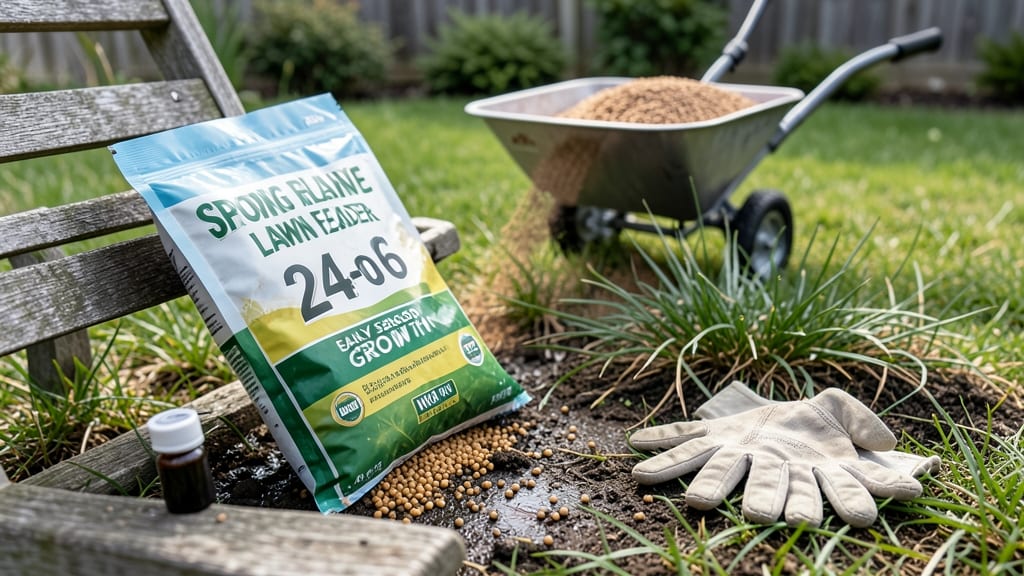
Fertilizing your lawn in spring at the right time is the difference between a vibrant, lush carpet 🌱 and a patchy, lackluster yard that fights you all season.
Timing your spring lawn fertilization wrong can mean wasted money—or worse, stunted grass growth. Get the exact schedule tailored to your climate zone to ensure a lush, green lawn all season long.
Most lawns need their first feeding in early spring, as soon as the soil warms to 55°F—around March in USDA Zone 6a—but the exact window depends on your grass type and local weather patterns.
Below, I break down the best times to fertilize by region, how to spot when your lawn is truly ready, and the 3 most common mistakes that leave grass yellowing or burning.

Spring lawn fertilization timeline by USDA climate Zones
Getting your lawn fertilization timing right in spring is the difference between a vibrant green carpet and patchy, weak grass. The USDA climate zone where you live dictates when to apply fertilizer, as soil temperatures and rainfall patterns vary dramatically from Zone 3 to Zone 10.
In colder northern zones, you’ll fertilize earlier to jumpstart growth, while warmer southern climates may wait until after the last frost to avoid burning tender grass.
Most gardeners make the mistake of fertilizing too early—when soil is still cold—or too late, missing the critical window for root development and spring green-up. The key is to fertilize when your grass is actively growing but before weeds take over.
For cool-season grasses (like fescue and bluegrass), this typically means late winter to early spring, while warm-season grasses (like Bermuda and Zoysia) wait until late spring or early summer.
Below is your zone-specific spring fertilization schedule, including soil temperature triggers and regional adjustments for northern vs. southern climates. Use this as your guide to avoid common pitfalls like over-fertilizing or applying nutrients when the grass isn’t ready to use them.
🌱
In Zones 3-5, where winters are harsh, aim to fertilize as soon as the soil thaws and reaches 45°F. This early timing helps grass recover from winter stress and outcompete weeds.
Use a slow-release fertilizer with a 24-0-4 NPK ratio to provide steady nutrients without burning tender new growth.
For Zones 6-7, wait until mid-April when soil temperatures consistently stay above 50°F. This is when cool-season grasses like Kentucky bluegrass and tall fescue begin their rapid growth phase. A second light application in early summer (June) can help maintain color and density.
Southern gardeners in Zones 8-10 should delay fertilization until late April or early May, when soil temperatures hit 55°F or higher. Warm-season grasses like Bermuda and Zoysia are still dormant in early spring, so fertilizing too soon can waste nutrients.
Instead, focus on pre-emergent weed control in late winter and switch to nitrogen-rich fertilizers once growth begins.
One common mistake is fertilizing after a hard rainfall or before mowing. Always apply fertilizer in the early morning when temperatures are cooler, and water lightly afterward to help nutrients absorb.
Avoid fertilizing if your lawn has brown patches or thatch buildup, as these are signs of underlying issues that need addressing first.
Pro tip: If your lawn looks pale or sparse in early spring, it’s a clear sign to fertilize. However, if it’s already dark green and growing vigorously, hold off until late spring to avoid overfeeding.
Always follow up with a light mowing (never remove more than 1/3 of the blade height) to encourage deeper root growth.
🪴
3 Critical signs your lawn needs spring fertilizer (and when to act)
Spring is the perfect time to give your lawn a nutrient boost, but how do you know when it's truly needed? Overlooking these three critical signs can leave your grass weak and prone to weeds.
The key is watching for subtle changes in your lawn's appearance and growth patterns before applying fertilizer. I've learned the hard way that waiting too long means wasted money and missed opportunities for a lush, green lawn.
First, pay attention to the color of your grass. Healthy lawns have vibrant green blades, while dull or yellowing patches signal nutrient deficiency. This is your lawn's way of screaming for help!
Second, observe the growth speed—if your grass grows less than ½ inch per week, it's time to feed it. Finally, watch for weed pressure, especially broadleaf weeds like dandelions, which thrive when grass is weak. These visual cues are nature's fertilizer reminder system.
- Grass Color: Dull yellow or patchy green means nitrogen deficiency. Test with a soil pH kit—ideal range is 6.0-7.0. Apply fertilizer when pH is balanced.
- Growth Speed: Measure growth weekly. If blades grow less than ½ inch per week, feed with a high-nitrogen fertilizer (24-0-10) when soil temps reach 55°F.
- Weed Pressure: Over 10% weed coverage? Weeds steal nutrients. Fertilize when weeds are actively growing (early spring) to crowd them out.
Don't wait until weeds take over or your lawn turns brown—act at the first sign of trouble. I recommend testing your soil's pH first using an affordable home test kit ($10-$15). If the pH is off, adjust it before applying fertilizer, as imbalanced soil can waste your money.
For example, if your soil is too acidic, adding lime will help your fertilizer work better.
Timing is everything in spring fertilization. In cool climates (Zones 3-6), fertilize when daytime temps reach 50°F consistently, usually in early April. Warmer zones (7-10) can start as early as February, but wait until after the last frost.
Always water your lawn 24 hours before and after applying fertilizer to help nutrients absorb properly.
If you see moss instead of grass, that's another red flag—moss thrives in acidic, nutrient-poor soil. Spread a thin layer of compost or peat moss first, then fertilize. I've seen mossy lawns transform into thick, green carpets within weeks after proper feeding and soil adjustments.
The secret? Consistency—feed your lawn every 6-8 weeks during the growing season.
Remember, over-fertilizing can burn your grass, so always follow the package instructions. Start with a light application (½ the recommended rate) and monitor your lawn's response. If you notice dark green patches or leaf burn, flush the area with water immediately and reduce future doses.
Your lawn will thank you with vibrant growth all season long.