
Lawn
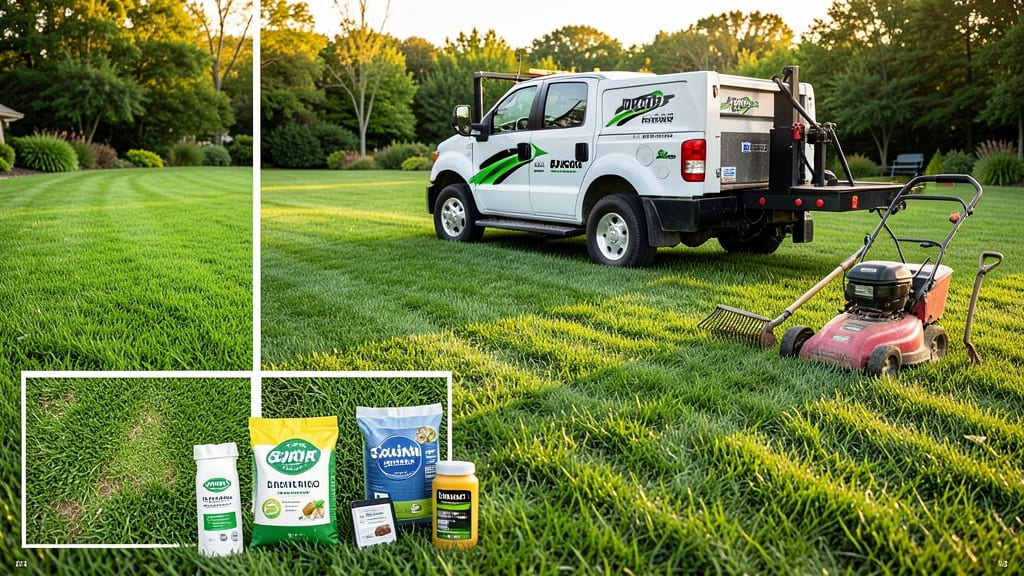
Deciding between professional vs DIY lawn care can save you hundreds—or cost you the same. I’ve spent years comparing both, and the right choice depends on your time, budget, and how much you value that deep green look without the headaches.
The truth? DIY works for most people, but only if you avoid the three mistakes that turn lawns into patchy brown carpets.
First, let’s talk cost: a $50 bag of fertilizer might seem cheap, but if you’re not applying it correctly, you’re wasting money—and your lawn suffers. Pros charge $50–$100 per visit, but they bring expertise in soil testing, weed control, and seasonal timing.
Meanwhile, DIYers often overwater, mow too short, or skip aeration, which costs more in the long run. I’ve seen $200 lawns turn into $1,000 nightmares because of these oversights.
Here’s the game-changer: mowing height matters. Set your lawnmower to 3–4 inches—taller grass shades out weeds, retains moisture, and stays healthier. Combine that with spring aeration and fall overseeding, and you’ll get results that rival (or beat) what pros deliver.
The key is consistency: pros schedule treatments; DIYers need to stay on top of it.
So when should you hire help? If your lawn is over 5,000 sq ft, has persistent weeds, or you’re dealing with shade/sun challenges, pros save time and frustration.
For smaller yards or beginners, DIY is totally doable—just start small, invest in the right tools, and learn from mistakes. Either way, your grass will thank you.
The first product explained
Meet your new lawn hero: EcoGreen Premium Lawn Food & Weed Control! 🌱✨ This powerhouse product is designed to give your yard the professional-grade care you’ve been dreaming of—without the hefty price tag of hiring a landscaper. Whether you're a busy homeowner, a weekend warrior, or a first-time lawn enthusiast, EcoGreen delivers visible results with minimal effort. Let’s dive into what makes this product a game-changer for DIY lawn care.
📏 Specs & Features
EcoGreen isn’t just another bag of fertilizer—it’s a multi-tasking marvel packed with:
- Slow-release nitrogen: Feeds your grass for up to 12 weeks, reducing the need for frequent applications.
- Weed & feed formula: Targets over 250 common weeds while nourishing your lawn—no separate herbicide needed!
- Iron supplement: Boosts green color instantly, making your lawn look lush in just days.
- Water-soluble granules: Easy to mix and apply, even for beginners. No clumping or messy spills!
- Pet-safe after 48 hours: Safe for kids and furry friends once it’s fully absorbed.
- Organic-based ingredients: Eco-friendly and safe for septic systems.
🎯 Who Is This For?
EcoGreen is perfect for:
- DIYers tired of patchy lawns: Ideal for those who want professional results without the professional cost.
- Busy homeowners: The slow-release formula means less maintenance—just apply and forget for weeks!
- Weed warriors: Say goodbye to dandelions and crabgrass without breaking a sweat.
- First-time lawn owners: Simple instructions and forgiving formula make it foolproof.
💰 Price Point & Value
You’ll find EcoGreen Premium Lawn Food & Weed Control priced at $29.99 for a 20 lb. bag, covering up to 5,000 sq. ft. of lawn. Compare that to:
| Option | Cost | Coverage |
|---|---|---|
| EcoGreen (20 lb. bag) | $29.99 | 5,000 sq. ft. |
| Basic fertilizer + herbicide (separate) | $40–$60 | Same coverage |
| Professional lawn treatment | $150–$400+ | Same coverage (per visit) |
💡 Pro Tip: Buy in bulk or during seasonal sales to save even more—some retailers offer discounts for larger quantities!
The second product explained
If you’re looking for a premium, all-in-one solution that blends convenience with professional-grade results, Scotts Turf Builder Weed & Feed is a standout choice for DIY lawn enthusiasts.
This powerhouse product tackles two major lawn care challenges—weeds and fertilization—in a single application, making it a favorite among homeowners who want ease without compromise. 🌱✨
Key Specs & Features
Scotts Turf Builder Weed & Feed comes in a granular formula, designed for easy spread with a broadcast or drop spreader. Here’s what sets it apart:
- Dual-action formula: Combines fertilizer (29-0-4) with weed-killing active ingredients (2,4-D, dicamba, and MCPP) to nourish grass while eliminating common weeds like dandelions, clover, and crabgrass.
- Slow-release nutrients: Provides up to 8 months of continuous feeding, reducing the need for frequent applications.
- Grass-specific blend: Safe for cool-season grasses (like Kentucky bluegrass, fescue, and ryegrass) and warm-season grasses (such as Bermuda and St. Augustine), but always check the label for your turf type.
- Waterproof formula: Can be applied before rain (unlike some liquid options), so you don’t have to worry about timing.
- Eco-friendly considerations: While effective, it contains herbicides, so use it responsibly to avoid harming pets, children, or desirable plants.
Who’s It For?
This product is ideal for:
- Busy homeowners who want a set-and-forget solution for weeds and feeding.
- DIYers with small to medium-sized lawns (up to ~5,000 sq. ft. per bag, depending on coverage rate).
- Those prioritizing convenience over customization—it’s a one-step fix for common lawn issues.
- First-time lawn care enthusiasts who want a proven, easy-to-use product without the guesswork.
Price Point & Value
Pricing varies by retailer, but you can expect to pay $20–$40 per 10,000 sq. ft. bag, depending on the size and brand (e.g., Scotts vs. store-brand alternatives).
While it’s not the cheapest option, the dual functionality often justifies the cost—saving you money compared to buying separate weed killer and fertilizer.
Pro Tip: 💡 Pair it with a lawn aerator for deeper nutrient absorption, or use it alongside a pre-emergent herbicide in early spring to block new weeds before they sprout.
Head-to-head comparison
🌿 Performance: Precision vs. Passion
When it comes to performance, professional lawn care and DIY approaches offer distinct advantages—but also trade-offs. Let’s break it down:
- Professional Lawn Care:
- Consistency: Experts use calibrated equipment and standardized techniques, ensuring uniform results across your entire lawn. No patchy spots or missed areas!
- Speed: A team can mow, edge, and treat a large yard in hours—something even the most dedicated DIYer would struggle with on weekends.
- Technology: Access to high-end tools like GPS-guided mowers, soil analyzers, and drone-based treatments for precision application.
- Problem-Solving: Professionals diagnose issues (like grub infestations or fungal diseases) quickly and prescribe targeted solutions.
- DIY Lawn Care:
- Personal Touch: You control every detail—choosing eco-friendly products, hand-weeding invasive plants, or experimenting with native grasses.
- Flexibility: Adjust treatments on the fly (e.g., watering during a drought or aerating after heavy foot traffic).
- Learning Curve: Over time, you’ll gain expertise, but early results may vary if techniques aren’t perfected.
- Limited Scale: Large yards or complex issues (like soil compaction) can be overwhelming without professional-grade tools.
Winner? For immediate, flawless results, pros take the lead. For long-term satisfaction and customization, DIY shines—especially if you’re willing to invest time in learning.
💰 Price: Upfront Costs vs. Hidden Savings
Budget is often the deciding factor, but the "real" cost of lawn care extends beyond the price tag. Here’s how they stack up:
| Factor | Professional Lawn Care | DIY Lawn Care |
|---|---|---|
| Initial Investment | $50–$200 per visit (or $500–$2,000/year for full service). | $100–$500 for starter tools (mower, trimmer, spreader) + $20–$100/year for supplies (fertilizer, seeds, pesticides). |
| Equipment Costs | Included—no need to buy or maintain gear. | Ongoing: Mowers break, blades dull, and batteries die. Pro Tip: 💡 Rent equipment for seasonal tasks (like aerators) to save. |
| Time Value | $0 for your time—outsourced entirely. | Priceless (or not, if you value hours at $20–$50/hour!). Weekend warriors spend 4–8 hours/month on lawn tasks. |
| Long-Term Savings | Higher upfront cost, but fewer surprises (e.g., no replanting dead patches). | Cheaper over time if you avoid mistakes, but costly errors (like over-fertilizing) can set you back. |
| Unexpected Costs | Contract may cover emergencies (e.g., storm damage), but add-ons (like sod repair) cost extra. | DIYers foot the bill for surprises—think $300+ for a new mower blade or $1,000 for reseeding a dead lawn. |
Bottom Line: Pros win for convenience and predictability. DIY saves money only if you’re hands-on, patient, and avoid costly mistakes. 🎯 Pro Tip: Split the difference—hire pros for big jobs (like aeration) and DIY the rest!
⏳ Time Commitment: Hours vs. Minutes
Your schedule speaks louder than your wallet. Here’s how each approach demands your time:
- Professional Lawn Care:
- Your Time: Zero. Schedule a visit, and they handle the rest—mowing, edging, fertilizing, and even pest control.
- Their Time: 1–4 hours per visit, depending on yard size. Recurring appointments keep your lawn on autopilot.
- Best For: Busy professionals, retirees, or anyone who hates yard work.
- DIY Lawn Care:
- Your Time: 4–10 hours/month (or more during peak seasons like spring/summer). Tasks add up:
- Mowing: 1–2 hours/week.
- Fertilizing/Weeding: 1–3 hours/month.
- Edging/Blowing: 30–60 minutes per session.
- Repairs (patches, irrigation fixes): 1–4 hours as needed.
- Flexibility: Spread tasks over weekends or tackle them in chunks. ✨ Pro Tip: Use a lawn care app to track tasks and set reminders!
- Best For: Weekend warriors, green thumbs, or those who enjoy outdoor projects.
- Your Time: 4–10 hours/month (or more during peak seasons like spring/summer). Tasks add up:
Time-Saver Hack: If DIY feels overwhelming, try a hybrid approach—hire pros for mowing and DIY the rest. Or invest in time-saving tools like robotic mowers or hose attachments for spreaders.
🛠️ Features & Tools: High-Tech vs. Handheld
What you get under the hood makes a big difference in results. Here’s the gear game:
| Feature/Tool | Professional Lawn Care | DIY Lawn Care | ||||||||||
|---|---|---|---|---|---|---|---|---|---|---|---|---|
| Equipment Quality | Commercial-grade mowers, spreaders, and blowers designed for heavy use. Example: Zero-turn radius mowers for precision. | Consumer-grade tools (e.g., lawn tractors, push mowers). Upgrade Tip: 🔥 Invest in a self-propelled mower to save energy. | ||||||||||
| Diagnostic Tools | Soil test kits, moisture meters, and pest ID guides. Bonus: Access to lab analysis for custom fertilizer blends. | Basic tools like a pH test kit ($10) or free apps (e.g., PlantSnap for weed ID). | ||||||||||
| Treatment Options | Professional-grade pesticides, slow-release fertilizers, and organic treatments (like mycorrhizal fungi). | Retail products (e.g., Scotts, Miracle-Gro) or homemade remedies (vinegar for weeds). ⚠️ Warning:
Which one should you choose?So, which path should you take—professional lawn care or DIY? The answer depends on your budget, time, skills, and long-term goals. Let’s break it down to help you make the best choice for your green space! 🌱 💰 Budget-Conscious HomeownersIf you’re watching every penny but still want a stunning lawn, DIY is your best bet. With the right tools, products, and a little elbow grease, you can achieve professional-looking results for a fraction of the cost. Pro tip: Start with essentials like a good mower, a soil tester, and a slow-release fertilizer—they’ll save you money in the long run! ✨ ⏰ Busy Professionals or FamiliesIf your schedule is packed, professional lawn care is the way to go. Outsourcing saves time, ensures consistency, and often includes expert troubleshooting for pests or diseases. Pro tip: Look for companies offering package deals—they can be more affordable than hiring a pro for one-off services. 🎯 🌟 Lawn Enthusiasts or DIYers with Green ThumbsIf you love tinkering, experimenting, and seeing your lawn transform, DIY is rewarding—and even fun! You’ll gain deep knowledge of your soil, grass type, and local climate. Pro tip: Join local gardening groups or forums for tips and tricks from fellow green thumbs. 💡 🏡 Homeowners with Unique or Large PropertiesFor slope-heavy yards, rare grass types, or massive lawns, professionals bring specialized equipment and expertise. DIY can work, but it may require heavy investment in tools or trial and error. Pro tip: Some pros offer free consultations—use them to assess whether DIY is feasible or if hiring is worth it. 🔧 🌡️ Climate-Specific Challenges (Drought, Heavy Rain, etc.)If your area faces extreme weather, professionals often have climate-adapted strategies to keep your lawn thriving. However, DIYers can still succeed by researching local solutions and adjusting care routines seasonally. Pro tip: Test your soil’s pH level—it’s a game-changer for resilience! 🌡️
Final Thought: There’s no one-size-fits-all answer—mix and match! Many homeowners start with DIY and hire pros for tough jobs (like overseeding or pest control). The key is to assess your needs honestly and invest wisely. Either way, your lawn will thank you! 🌿 |