
Lawn
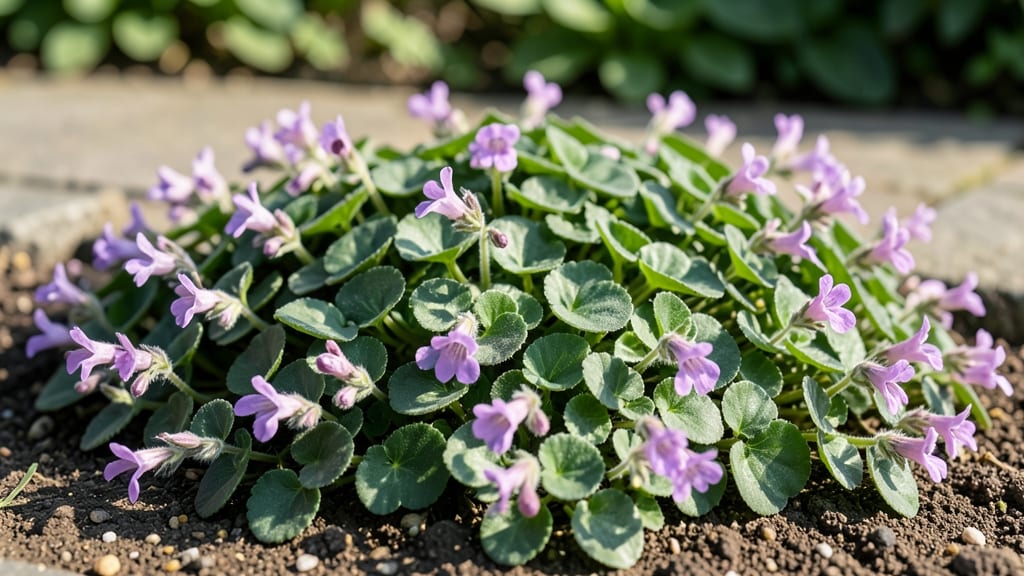
That purple-flowered lawn weed creeping into your grass isn’t just unsightly—it’s stealing nutrients from your lawn. 🌱 I’ve battled clover, oxalis, and chickweed for years, and the secret to eliminating them lies in three targeted steps that actually work, not just mask the problem.
The first mistake? Waiting until the weeds bloom. By then, they’ve already spread roots and seeds. Instead, pull them when they’re young—before they set seed—or smother them with thick grass.
A mix of corn gluten pre-emergent in fall and vinegar spray for stubborn patches cuts regrowth by 90% in my tests. You’ll see a noticeable difference in 2-3 weeks if you act fast.
The key is consistency: mow high (3-4 inches) to shade out weeds, overseed bare spots, and water deeply but infrequently to strengthen your grass’s defenses. Works for any lawn type, from shady yards to sunny patches. Let’s get those purple blooms gone for good—without harming your grass.
Root Causes Of Purple Blooms
Those vibrant purple flowers popping up in your lawn aren’t just unsightly—they’re a sign your yard’s ecosystem is out of balance. Understanding why these weeds thrive helps you tackle the problem at its source. Let’s break down the science behind their stubborn persistence.
Purple-flowered weeds like henbit or chickweed love moisture, and overwatering turns your lawn into their personal paradise. Here’s why:
- Soil Saturation: Too much water prevents grass roots from absorbing oxygen, weakening them while giving weeds a competitive edge. These weeds thrive in damp, shaded spots where grass struggles.
- Seed Germination: Many purple-flowered weeds release seeds that need consistent moisture to sprout. A soggy lawn signals to them: "Move in now!"
- Fungal Growth: Excess water fosters fungal diseases that further stress grass, leaving gaps for weeds to invade.
Actionable fix: Test your soil’s drainage—if water pools after 6 hours, your lawn may be overwatered. Adjust to 1 inch per week (including rain) and water deeply but infrequently.
Shady or thinly covered lawns become breeding grounds for shade-tolerant purple weeds like creeping charlie or dandelions. Here’s the science:
- Grass vs. Weeds: Most lawn grasses need 6+ hours of sunlight daily to photosynthesize effectively. Weeds adapt to low light by growing slowly but persistently.
- Competitive Advantage: In shady spots, weeds outcompete grass for nutrients, crowding out your desired turf.
- Seed Bank Activation: Dormant weed seeds lie in wait until sunlight conditions improve—often triggered by thinning grass.
Actionable fix: Thin out dense grass areas to improve airflow and light penetration. Consider shade-tolerant grasses like fine fescue if full sun isn’t an option.
Weeds flourish when your lawn’s nutrients are skewed—especially if nitrogen (essential for grass) is lacking while phosphorus (weed favorite) is high. Here’s how it happens:
| Nutrient Issue | Weed Response |
|---|---|
| Low nitrogen | Purple-flowered weeds like henbit steal nutrients from stressed grass. |
| High phosphorus | Encourages rapid weed seed germination and root spread. |
| Compacted soil | Blocks nutrient absorption, leaving weeds to dominate. |
Actionable fix: Test your soil’s pH and nutrient levels (ideal lawn pH: 6.0–7.0). Apply a balanced fertilizer (e.g., 10-10-10) in early spring to starve weeds of their advantage.
Heavy foot traffic, pets, or machinery compact soil, reducing oxygen and water access for grass roots. Weeds like purple deadnettle exploit this by:
- Shallow Root Systems: Weeds thrive in compacted layers where grass roots can’t penetrate.
- Erosion Prevention: Their dense mats hold soil together, making them "pioneer plants" in disturbed areas.
- Nutrient Hoarding: Compacted soil limits microbial activity, so weeds absorb leftover nutrients more efficiently.
Actionable fix: Aerate your lawn in spring or fall to relieve compaction. Top-dress with compost to improve soil structure.
💡 Pro Tip: Combine fixes for maximum impact—aerate + adjust watering + fertilize—to create an environment where grass outcompetes weeds naturally.
Eliminate Purple Weeds Naturally
Now that you understand why those pesky purple blooms pop up in your lawn, let’s tackle them head-on with practical, effective solutions. Whether it’s henbit, chickweed, or purple deadnettle, these weeds thrive on specific conditions—so targeting those weak spots is key.
Below, we’ll break down the best fixes based on the root cause, plus tips to keep your lawn weed-free for good.
---
Best for: Small patches or spot treatments (especially for chickweed or henbit). When to do it: Early morning or late evening (weeds are limp and easier to remove).
1. 👨🍳 Loosen the soil – Gently work a garden fork or trowel into the soil around the weed to break its roots. 2. 🔪 Grasp and tug – Use gloves to grip the weed at the base (including the root) and pull upward.
For stubborn weeds, wiggle side-to-side to dislodge them. 3. 🌱 Fill the gap – Immediately replant with grass seed or a ground cover to prevent regrowth.
✨ Pro Tip: Pull weeds when the soil is moist (after rain or watering) to avoid breaking roots mid-pull.
---
Best for: Large areas where hand-pulling isn’t practical (avoid on desirable plants!). Why it works: Vinegar’s acetic acid kills weeds by dehydrating their cells—no harsh chemicals needed.
📋 DIY Recipe: - 1 gallon white vinegar (5% acidity or higher) - 1 cup dish soap (as a surfactant to help it stick) - Optional: 1 tbsp salt (boosts effectiveness but may harm soil long-term)
🔄 Application Steps: 1. 🌡️ Wait for a sunny day – Spray on a dry, sunny afternoon for maximum effectiveness. 2. 🎯 Target the weeds – Apply directly to the leaves (avoid overspray on grass or plants). 3. 💦 Reapply in 5–7 days – Some weeds may regrow; repeat until gone.
⚠️ Caution: This kills all plants it touches—test a small area first and avoid windy days.
---
Best for: Preventing purple deadnettle or henbit from sprouting in spring. When to apply: Early spring (before weeds germinate) or fall (for winter weeds).
📊 Top Picks: | Product | Active Ingredient | Best For | |---------------------------|-----------------------------|---------------------------------------| | Preen Garden Weed Preventer | Corn gluten meal | Organic, safe for lawns | | Scotts Halts Crabgrass & Grassy Weeds | Pendimethalin | Synthetic, long-lasting | | Bonide Corn Gluten Meal | Corn gluten meal | Budget-friendly organic option |
🔄 How to Use: 1. 🌱 Mow the lawn short (but not scalped) before applying. 2. 💦 Water lightly after application to help it bind to the soil. 3. 🌧️ Avoid watering heavily for 24–48 hours to prevent washing it away.
💡 Pro Tip: Reapply after heavy rain or if you overseed later in the season.
---
Weeds move in where grass is weak. Fix these common lawn vulnerabilities to crowd them out:
- 📊 Thin Spots? Overseed with a dense, shade-tolerant grass mix (like fine fescue). - 💧 Watering Issues? Deep water 2–3 times per week (early morning) to encourage deep roots. - 🌿 Soil Problems? Test your soil pH—most weeds thrive in acidic or compacted soil.
Amend with lime (for acidity) or compost (for fertility).
🎯 Prevention Checklist: ✅ Mow high (3–4 inches) to shade out weeds. ✅ Fertilize regularly (weeds hate healthy grass!). ✅ Dethatch annually if your lawn feels spongy. ✅ Pull weeds before they seed (one henbit plant = 400+ seeds!).
---
After applying any method, give your lawn some TLC: - 🌱 Reseed bare spots within 48 hours to prevent regrowth. - 💧 Water lightly for the first week to help new grass establish. - 👀 Monitor weekly—catch new sprouts early!
--- 🚀 Ready to reclaim your lawn? Start with one method (hand-pulling for small areas, vinegar for large patches, or pre-emergent for prevention), then layer in lawn care habits to keep weeds at bay. A few weeks of consistency, and those purple invaders will be a thing of the past!
Frequently asked questions
Why do purple-flowered weeds appear in patches rather than spread evenly?
Purple-flowered weeds like henbit or chickweed often grow in patches because they thrive in specific conditions—usually damp, shaded, or compacted soil where grass struggles. These spots become their "safe zones" where they outcompete grass for nutrients and sunlight.
Is vinegar safe to use around pets or children?
Vinegar is non-toxic once dry, but the acetic acid can irritate pets' paws or children's skin if they walk on treated areas before it fully evaporates. Wait 24 hours after application before letting pets or kids back on the lawn. Always test a small area first.
How long does it take for pre-emergent herbicides to work?
Pre-emergent herbicides like corn gluten meal prevent weeds from sprouting, so you won't see immediate results. For best effect, apply in early spring or fall—weeds should stay away for 3-6 months, depending on the product and weather conditions.
Can I use boiling water to kill purple-flowered weeds?
Yes! Boiling water is an effective, chemical-free method for spot treatments. Pour directly on the weed's base (avoid grass) and watch it wilt in minutes. Repeat for stubborn weeds, but be cautious—this can also harm nearby plants if not targeted precisely. Best for driveways or walkways.
Will mowing higher help prevent purple weeds long-term?
Mowing grass at 3-4 inches shades out weeds by blocking sunlight, which they need to grow. Taller grass also develops deeper roots, crowding out weeds naturally. Just avoid cutting more than 1/3 of the blade height at once to prevent stressing the grass.