
Lawn
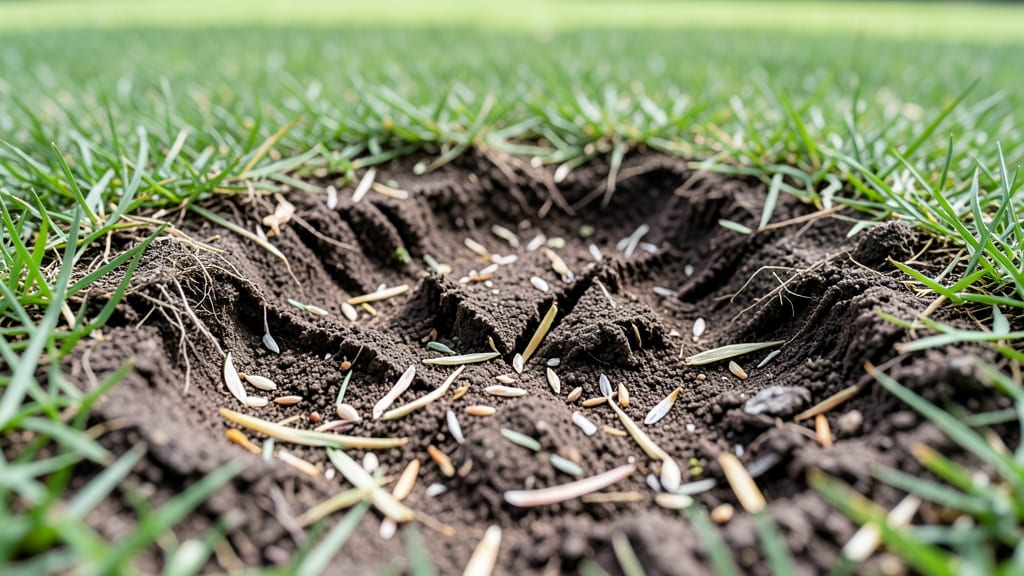
Those raccoon lawn damage pictures you’ve seen online can’t compare to the devastation you wake up to—trampled turf, scattered mulch, and plants chewed to nubs overnight. 🌱 I’ve seen it firsthand: one night of digging can undo months of yard work, leaving behind a mess that’s equal parts frustrating and puzzling.
The good news? You can fix the damage and stop it from happening again with the right approach.
Most raccoon destruction happens when they’re searching for grubs, insects, or even trash you might have left out. Those telltale 3-inch-deep holes in your lawn? Classic raccoon work. They also uproot young plants, tear open mulch beds, and sometimes even raid compost piles—leaving your garden looking like a war zone.
The key to repair is acting fast: patching holes, reinforcing weak spots, and removing anything that might attract them back.
Here’s how to make it right: Start by filling those holes with fresh topsoil and reseeding bare patches. For long-term fixes, consider hardware cloth barriers around garden beds or motion-activated sprinklers that scare them off.
I’ve also had success with habitat tweaks—like removing food sources and securing trash cans—that send raccoons packing for good. Before you know it, your lawn will look better than ever, and those masked bandits will have somewhere else to dig.
This isn’t just about cleanup—it’s about reclaiming your yard. With the right strategies, you’ll restore your lawn and keep those clever critters out for good. Let’s get to the repairs before they strike again.
Root Causes Of Raccoon Lawn Destruction
Raccoons don’t just wander into your yard for fun—they’re driven by instinct, survival needs, and even learned behaviors. Understanding why they target lawns helps you predict their actions and defend your property more effectively. Here’s a breakdown of the key triggers:
---
Raccoons are omnivorous opportunists, meaning they’ll eat almost anything they can find—especially when food is scarce.
Your lawn becomes a buffet when it contains: - Unsecured trash (open bins, compost piles, or fallen fruit) - Pet food left outside (even small amounts attract them) - Birdseed or fallen nuts (if you have feeders nearby) - Buried or exposed roots (they dig for grubs, worms, and larvae)
Science note: Their dexterous front paws (with nearly human-like grip strength) let them pry open lids, tear bags, and dig with precision. A single raccoon can uproot plants or create crater-like holes in minutes while searching for food.
---
Raccoons are nocturnal and seek safe, hidden spaces during the day.
Your lawn may offer: - Dense shrubbery or thick grass (ideal for nesting) - Loose mulch or leaf piles (they shred materials to build nests) - Underground voids (they dig under decks, sheds, or patios for shelter) - Attic or chimney access (if they’ve already infiltrated your home)
Key behavior: Females (does) are especially protective of their spring/summer dens, often expanding them to include lawn debris. Males (bucks) may also claim territories, leading to territorial marking (scratching trees or digging random holes).
---
Raccoons don’t just eat—they hunt for live prey in lawns, including: - Grubs and beetle larvae (their protein-rich favorite) - Earthworms and slugs (easy to dig up) - Small rodents or frogs (if your yard has water sources)
How they do it: 1. Nose the ground (their Jacobson’s organ detects chemical cues from underground prey). 2. Dig with their claws (creating 3–6 inch deep holes, often in straight lines). 3. Flip soil aside (leaving mounded debris that smothers grass).
Pro tip: 🌡️ Moist, well-watered lawns are prime targets—dry or compacted soil makes digging harder.
---
Raccoon activity spikes during: - Spring/Summer (breeding season = more territorial behavior) - Fall (food preparation for winter) - Late night/early morning (when they’re most active)
Human mistakes that worsen damage: - Leaving pet food outside overnight (even a single bowl is enough). - Overwatering lawns (soft soil = easier digging). - Ignoring fallen fruit (especially from apple or cherry trees). - Not securing trash cans (raccoons can stand upright to open lids).
--- Actionable insight: If your lawn has sudden holes, torn mulch, or scattered debris, check for these triggers first. The sooner you address them, the less damage raccoons will do—and the easier it is to deter them naturally (without traps or harm).
Stop Raccoon Lawn Damage Fast
Raccoons may be adorable bandits, but their digging, chewing, and nesting habits can turn your lawn into a disaster zone. The good news? With the right strategies, you can repair the damage and keep them away for good.
Below, we’ve matched common raccoon lawn problems with practical, step-by-step fixes—plus pro tips to prevent future chaos.
---
Cause: Raccoons dig for grubs, insects, or to create nesting spots. Their claw marks and scattered soil leave your yard looking like a construction site.
Fix It: 1. 🍳 Fill the Holes Immediately - Use topsoil or compost to patch holes (avoid heavy clay—it compacts poorly). - Tamp down gently with a shovel or board to mimic natural soil density.
2. 👨🍳 Reseed Bare Spots - Choose fast-growing grass seed (like ryegrass or fescue) or clover (raccoons dislike its texture). - Water lightly daily until roots establish (about 2–3 weeks).
3. ⏰ Schedule Repairs at Night - Raccoons are nocturnal. Work on fixes after dusk when they’re least active.
💡 Pro Tip: Sprinkle coarse sand or gravel over repaired areas—raccoons avoid the gritty texture.
---
Cause: Raccoons snack on tender shoots, bulbs (like tulips), or even young vegetable plants. Their bites leave jagged, uneven edges.
Fix It: 1. 🔪 Trim and Protect - Cut back chewed foliage to encourage regrowth. - Wrap tree trunks or young plants in hardware cloth (not plastic—raccoons gnaw through it).
2. 🌡️ Use Natural Deterrents - Spray plants with cayenne pepper solution (1 tbsp cayenne + 1 quart water). Reapply after rain. - Plant raccoon-resistant alternatives near vulnerable areas: - Marigolds (strong scent deters them) - Lavender (they dislike the fragrance) - Onions or garlic (bury cloves around garden edges)
3. ✨ Light It Up - Install motion-activated lights near problem spots. Raccoons prefer darkness—bright flashes startle them.
---
Cause: Raccoons raid attics, sheds, or thick shrubs to build nests. Their presence means droppings, torn insulation, and a stinky mess.
Fix It: 1. 🚪 Block Entry Points - Sheds/garages: Install 1/4-inch mesh wire over vents and seal gaps with steel wool + caulk. - Attics: Cover chimneys with chimney caps and check for gaps around soffits.
2. 🎯 Remove Existing Nests - For shrubs/trees: Trim branches after dark (use gloves!) and dispose of debris in a sealed trash bin. - For attics: Wait until spring/summer (mama raccoons guard young fiercely in winter). Call a wildlife removal pro if needed.
3. 🌿 Rethink Landscaping - Avoid dense ground cover (they love hiding in ivy or mulch piles). - Keep grass short under trees—they prefer digging in soft soil.
💡 Pro Tip: Place fake owls or predator decoys near nesting spots. Move them weekly so raccoons don’t get wise.
--- Raccoons are opportunistic scavengers. Eliminate temptations with these low-effort habits:
- 🗑️ Secure Trash Cans - Use bungee cords or locks on lids. Rinse cans weekly to remove odors. - Freeze smelly items (like fish scraps) before tossing.
- 🥗 Cover Compost Bins - Use a fitted lid or wire mesh to block access.
- 🌙 Feed Pets Indoors - Outdoor pet food attracts raccoons. Switch to automatic feeders or feed inside.
- 🌡️ Remove Water Sources - Fix leaky hoses or standing water (they drink at night).
--- For severe or repeated damage, invest in: - 🏗️ 4–6 Foot Tall Fencing - Bury 12 inches of wire mesh at the base to deter digging. - Angle the top outward (raccoons are climbers!).
- 🎯 Motion-Activated Sprinklers - Devices like ScareCrow spray water when they approach—harmless but effective.
- 🔊 Noise Deterrents - Wind chimes, radio static, or ultrasonic emitters (though results vary).
--- If raccoons are digging up roots, raiding gardens, or nesting in your home, it’s time for wildlife removal experts. They can: - Humanely relocate persistent raccoons. - Seal entry points permanently. - Sanitize droppings (which carry diseases like leptospirosis).
--- Final Thought: Raccoon damage doesn’t have to be permanent. Act fast on repairs, remove food sources, and deter with smart landscaping. With patience and consistency, your lawn can bounce back—and stay raccoon-free! 🚀
Frequently asked questions
What do raccoon lawn damage pictures usually show?
Common signs include 3-6 inch deep holes in straight lines (from digging for grubs), scattered mulch or soil mounds, chewed plants with jagged edges, and uprooted bulbs. You’ll often see these near garden beds, compost piles, or under trees where raccoons nest. Look for claw marks and disturbed soil patterns that look like construction sites.
Can I fix raccoon-damaged lawns myself, or should I call a pro?
You can handle most repairs yourself! Fill holes with topsoil or compost, reseeding with fast-growing grass or clover (they dislike it). For severe cases like persistent digging or nesting in sheds, consider a wildlife removal expert—especially if you find droppings (which carry diseases like leptospirosis).
What’s the best way to keep raccoons off my lawn long-term?
Combine habitat removal (secure trash, cover compost, remove pet food) with deterrents like motion-activated sprinklers or hardware cloth fencing (bury 12 inches deep). Plant marigolds or lavender near vulnerable areas—their scents repel raccoons. Rotate decoys like fake owls weekly to maintain effectiveness.
Are raccoon repellents safe for pets and plants?
Most natural repellents are safe! Cayenne pepper spray (1 tbsp cayenne + 1 quart water) deters them without harming plants or pets. Avoid commercial repellents with strong chemicals—opt for predator urine (coyote or fox) or ammonia-soaked rags (place near problem areas). Always test small patches first.
When is the worst time of year for raccoon lawn damage?
Damage peaks in spring/summer (breeding season) and fall (food preparation for winter). Nocturnal activity means most destruction happens between dusk and dawn. If you notice sudden holes or chewed plants, act fast—raccoons return to favorite spots.