
Lawn
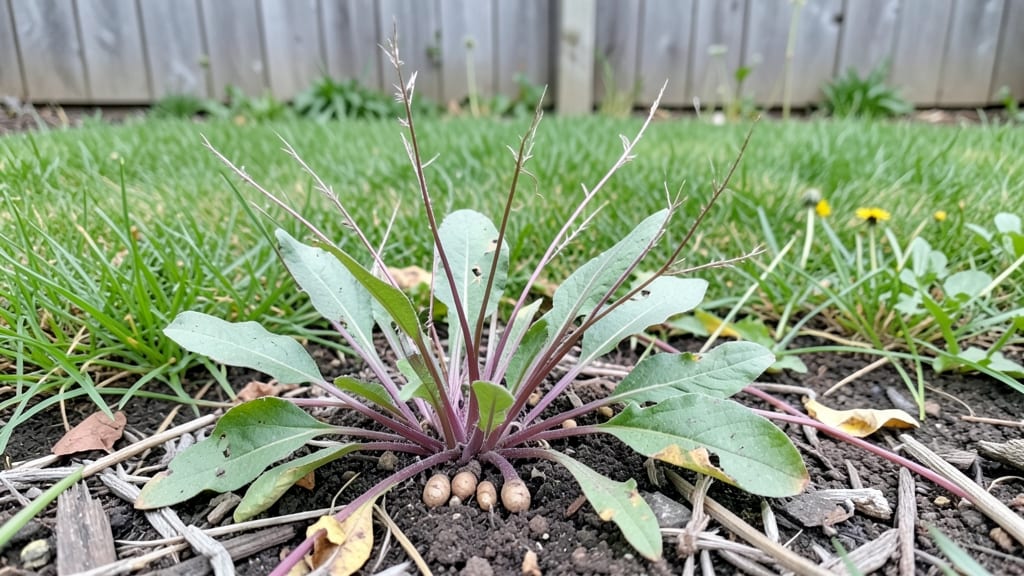
Red grass weed removal starts with knowing exactly what you're dealing with—those vibrant red stems that spread faster than you can pull them. 🌱 I've wrestled with these stubborn invaders for years, and the key lies in a method that targets the deep roots while minimizing regrowth.
Most people grab the whole plant and watch it return within weeks, but this approach actually works.
The problem isn't just surface-level weeds—it's the extensive root system that sends up new shoots relentlessly. Proper timing (early morning or late afternoon), the right tools (a sturdy weeding fork or dandelion digger), and pulling at the soil line where roots thin out make all the difference.
I've seen results in just three sessions when done right.
You'll end up with a lawn where red grass disappears for good, not just for a season. The method preserves your grass while systematically eradicating the weed's hold. Once you master the technique, you'll spot these weeds before they take over—early intervention is everything.
Works in both sunny lawns and shaded areas, though shade slows regrowth slightly. The same principles apply whether you're dealing with a small patch or a full yard invasion. Let's get those roots out for good.
Root Causes Of Stubborn Weeds
If you’ve ever spent hours yanking out red grass weed (often misidentified as red sorrel or Oxalis stricta) only to see it bounce back with stubborn roots, you’re not alone.
This persistent weed thrives because of specific environmental and biological triggers. Understanding why it happens is the first step to outsmarting it. Let’s break down the science behind its resilience.
🌱 Overcrowded soil & poor drainage
Red grass weed loves soil that’s compacted or waterlogged, which creates the perfect breeding ground for its shallow, fibrous roots. When soil lacks proper aeration—often due to heavy foot traffic, clay buildup, or poor organic matter—water pools at the surface.
This encourages rapid seed germination and root spread, as the weed exploits moist, oxygen-deprived zones where grasses struggle.
🔍 Why it matters: In dense lawns or garden beds, competing plants (like turfgrass) can’t absorb enough nutrients or water, leaving gaps for weeds to invade. If your soil feels like packing clay when dry or turns to mud when wet, you’ve got a red flag (literally).
💡 Actionable fix:
- Test your soil’s drainage—dig a 12-inch hole and fill it with water. If it drains slower than 6 hours, amend with sand or compost.
- Core aerate your lawn in spring or fall to break up compaction.
- Mulch garden beds with wood chips or straw to improve moisture retention without suffocating roots.
🌞 Excessive sunlight & heat stress
While many weeds thrive in shade, red grass weed actually prefers full sun—especially in hot climates. When surrounding plants (like lawn grass) get heat-stressed, they weaken and die back, creating bare patches. The weed’s broad, clover-like leaves absorb sunlight efficiently, converting it into energy for rapid regrowth.
🔍 Why it matters: In drought-prone areas, lawns turn brown and brittle, while red grass weed stays green, outcompeting your desired plants. Its deep red stems also contain anthocyanins, pigments that protect it from UV damage during peak summer heat.
💡 Actionable fix:
- Water deeply 2–3 times per week (early morning) to keep turfgrass hydrated and competitive.
- Plant shade-tolerant ground covers (like creeping thyme or clover) under trees to block weed sunlight.
- Use reflective mulch (like silver plastic) in garden beds to reduce heat exposure.
🌿 Nutrient imbalance & lawn weakness
Red grass weed is a nitrogen-loving opportunist. When lawns are over-fertilized with fast-release nitrogen (common in synthetic fertilizers), it creates a spike in top growth—but at the cost of root depth. Meanwhile, the weed’s roots absorb nutrients more efficiently in poor soil, making it the last plant standing when other grasses starve.
🔍 Why it matters: If your lawn looks green but weak (like a golf course in spring), it’s likely suffering from imbalanced nutrition. Weeds like red grass weed thrive in soil with high phosphorus and potassium but low organic matter, which they exploit to dominate.
💡 Actionable fix:
- Switch to a slow-release, organic fertilizer (like compost or alfalfa meal) to feed roots, not just leaves.
- Apply a layer of compost (2–3 inches) in fall to rebuild soil health over time.
- Avoid overwatering—this leaches nutrients and encourages shallow root systems.
🌱 Seed spread & hidden root fragments
The most frustrating part? One red grass weed plant can produce thousands of seeds per season, and even a 1-inch root fragment left in the soil can regrow into a full plant. Unlike perennial weeds with deep taproots, this weed spreads via rhizomes (horizontal roots) and seed pods that explode when mature, launching seeds up to 5 feet away.
🔍 Why it matters: If you pull a weed but leave behind even a small root piece, it’ll resprout. Worse, mowing over seed heads doesn’t kill them—it just spreads them further. Wind, water, and even lawn equipment (like rakes) help distribute seeds across your yard.
💡 Actionable fix:
- Hand-pull weeds before they flower (use a weed wrench for stubborn roots).
- Collect and dispose of seed pods in sealed trash—do not compost them.
- Mow high (3–4 inches) to shade out weeds and reduce seed spread.
- Consider a pre-emergent herbicide in early spring to block seed germination.
🛡️ Lack of natural competition
Healthy lawns and gardens are self-regulating ecosystems. When turfgrass, clover, or other ground covers thrive, they outcompete weeds for space, water, and nutrients. But if your lawn has bare spots, thin grass, or invasive weeds, red grass weed slips in effortlessly.
🔍 Why it matters: Most lawns lose 20–30% of their grass coverage annually due to disease, drought, or poor maintenance. Weeds like red grass weed fill these gaps within weeks because they germinate faster than most grasses.
💡 Actionable fix:
- Reseed bare patches with a dense, competitive grass mix (like tall fescue or perennial ryegrass).
- Overseed in fall when weeds are dormant but grass is actively growing.
- Plant native ground covers (like white clover) to naturally suppress weeds.
Effective Removal Methods for Stubborn Grass Weeds
Red grass weed—whether it’s creeping bentgrass, red sorrel, or other invasive types—can be a stubborn nuisance. But with the right approach, you can tackle it head-on. Below are targeted solutions based on the most common causes of infestation, from overgrowth to poor soil health.
Each method is designed to be practical, effective, and easy to follow, whether you’re dealing with a small patch or a full lawn takeover.
🔥 Mechanical Removal: Pulling & Digging Out Roots
If your lawn is plagued by deep-rooted or spreading weeds, physical removal is often the most reliable first step.
🍳 When to Use This Method
- Weeds with long, fibrous roots (like red bentgrass or nutsedges).
- Small, localized patches where chemical treatments aren’t needed.
- Organic lawn care preferences.
👨🍳 Step-by-Step Guide
- Choose the Right Time 🌱
- Pull weeds after rainfall or watering when soil is soft (morning or evening works best).
- Target weeds when they’re young—older plants have deeper roots and are harder to remove.
- Grab the Right Tools 🔪
- Garden gloves (to protect your hands from sap or thorns).
- Dandelion weeder or hori-hori knife (for deep roots).
- Hand trowel or fork (for stubborn clumps).
- String trimmer or scythe (for thick, low-growing weeds like creeping red fescue).
- Pull with Precision ⏰
- Grip the weed at the base and pull firmly upward—don’t just yank from the top!
- For deep roots, wiggle the tool side-to-side to loosen before pulling.
- Check for root fragments—even a small piece can regrow. Break up any remaining roots manually.
- Dispose Properly 🗑️
- Bag and trash pulled weeds (don’t compost—roots can sprout again).
- For highly invasive weeds, soak them in vinegar or boiling water for 10 minutes before disposal.
💡 Pro Tips for Success
- Work in sections to avoid missing spots—mark areas with flags if needed.
- Rake the soil after removal to expose any missed roots to sunlight (which weakens regrowth).
- Replant with grass seed immediately in bare spots to prevent regrowth.
🌡️ Chemical Control: Targeted Herbicides for Stubborn Cases
When mechanical methods aren’t enough, selective herbicides can provide faster, longer-lasting results.
🎯 When to Use This Method
- Large infestations where manual pulling would take too long.
- Weeds resistant to pulling (e.g., red sorrel with deep taproots).
- Preventative treatment before weeds spread further.
✨ Step-by-Step Guide
- Choose the Right Herbicide 💊
- Selective herbicides (e.g., 2,4-D, dicamba, or triclopyr) for broadleaf weeds like red sorrel.
- Non-selective herbicides (e.g., glyphosate) for complete kill (use only on weeds, not grass).
- Pre-emergent herbicides (e.g., pendimethalin) to prevent weed seeds from sprouting.
- Apply at the Right Time ⏳
- Post-emergent herbicides: Apply when weeds are actively growing (spring or fall).
- Pre-emergent herbicides: Apply before weeds sprout (early spring or late summer).
- Follow Label Instructions Carefully 📜
- Mix ratios exactly as directed—overapplying can damage grass.
- Use a sprayer with a fine mist for even coverage.
- Avoid windy days to prevent drift onto desired plants.
- Reapply if Necessary 🔄
- Some weeds may regrow—follow up 7–14 days later if needed.
- For persistent weeds, combine with manual removal for best results.
💡 Pro Tips for Safe Application
- Spot-treat instead of blanket spraying to protect grass.
- Water lightly after application (unless label says otherwise) to help absorption.
- Avoid herbicides with children or pets until fully dry.
🌱 Soil & Lawn Care: Long-Term Prevention Strategies
The best way to beat weeds for good? Healthy grass and soil. Strong turf crowds out weeds naturally.
🔧 When to Use This Method
- After removal to prevent regrowth.
- For lawn maintenance to keep weeds from returning.
- For organic or low-chemical lawn care.
🌿 Step-by-Step Guide
- Improve Soil Health 🌱
- Test your soil (pH 6.0–7.0 is ideal for most grasses).
- Add compost or organic matter to improve drainage and nutrient retention.
- Aerate compacted soil to help grass roots grow deeper.
- Mow Properly ✂️
- Set mower height to 3–4 inches—taller grass shades out weeds.
- Never remove more than ⅓ of the blade in one mowing to avoid stressing grass.
- Leave grass clippings (they return nutrients to the soil).
- Water Deeply & Infrequently 💦
- Water early morning (1–1.5 inches per week).
- Encourage deep roots by watering deeply but less often.
- Avoid overwatering, which creates weak, weed-prone turf.
- Fertilize Correctly 🌾
- Use a slow-release, balanced fertilizer (e.g., 16-4-8).
- Apply in early spring and fall for steady growth.
- Avoid high-nitrogen fertilizers late in the season—they promote weak growth.
- Seed Bare Spots Immediately 🌱
- Rake bare areas and sow high-quality grass seed within 48 hours.
- Choose shade-tolerant or drought-resistant grasses if your lawn has problem areas.
💡 Pro Tips for Weed-Free Lawns
- Overseed in fall—cool weather helps grass outcompete weeds.
- Use corn gluten meal (a natural pre-emergent) in early spring.
- Hand-pull weeds early before they seed and spread.
🚨 Emergency Measures: Vinegar & Boiling Water for Tough Cases
For small, isolated patches or highly invasive weeds, these natural killers work fast.
🔥 When to Use This Method
- Driveways, sidewalks, or non-lawn areas where grass isn’t growing.
- Weeds resistant to pulling (e.g., red sorrel, chickweed).
- Quick, non-toxic solutions for small problem spots.
🍲 Step-by-Step Guide
- Vinegar Spot Treatment 🍶
- Mix 1 gallon white vinegar + 1 cup dish soap + 1 cup salt (optional for extra potency).
- Spray directly on weeds (avoid desired plants—vinegar kills everything).
- Reapply every 2–3 days until weeds die (usually 1–2 weeks).
- Boiling Water Method ☕
- Pour boiling water directly on the weed base (works best for small weeds).
- Repeat weekly until the plant is fully killed.
⚠️ Caution
- Test a small area first—vinegar can bleach concrete or damage mulch.
- Wear gloves—vinegar and boiling water can irritate skin.
Final Prevention Checklist ✅
To keep red grass weeds from coming back: ✔ Pull weeds early before they seed. ✔ Maintain healthy grass with proper mowing, watering, and fertilizing. ✔ Apply pre-emergent herbicides in early spring. ✔ Aerate and overseed bare spots in fall. ✔ Monitor soil pH and amend as needed.
With these targeted methods, you’ll not only remove stubborn weeds but also build a lawn that naturally resists them. Happy gardening! 🌿💪
Frequently asked questions
What’s the difference between red grass weed and common lawn weeds like crabgrass?
Red grass weed (often Digitaria sanguinalis or Oxalis stricta) has distinctive red stems and spreads via aggressive rhizomes, while crabgrass grows in clumps with yellowish-green blades. Red grass weed thrives in sunny, compacted soil and produces explosive seed pods that spread seeds up to 5 feet—far more invasive than crabgrass.
How do I know if my lawn has red grass weed roots left behind?
Check for small green shoots sprouting near where you pulled weeds—this means root fragments remain. Dig 1–2 inches deep in the soil; if you find white, fibrous roots or reddish rhizomes, those are red grass weed roots. Break them up completely or treat with vinegar to kill remnants.
Can I use vinegar to kill red grass weed without harming my grass?
No—vinegar is non-selective and will kill all plants it touches, including grass. For spot treatment, use it only on driveways, sidewalks, or non-lawn areas. For lawns, opt for selective herbicides like 2,4-D or manual removal instead. Always test a small area first.
Why does red grass weed keep coming back even after I pull it?
This weed spreads via hidden rhizomes and thousands of seeds per plant. Even a 1-inch root piece left in soil can regrow. Pull weeds before they flower, dispose of them in sealed bags (not compost), and improve soil health to crowd out regrowth.
What’s the best time of year to treat red grass weed?
Target it in early spring (pre-emergent herbicide) or late summer/fall when weeds are actively growing but before they seed. Avoid treating in drought conditions—soil moisture helps herbicides work better. For manual removal, pull after rain when soil is soft.