
Lawn
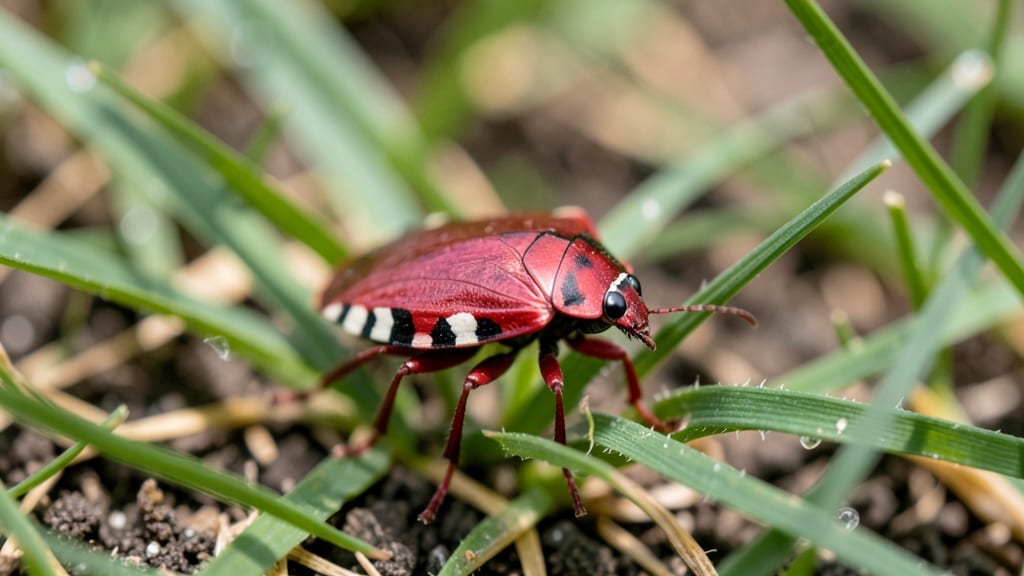
Your lawn’s vibrant green is turning to patchy brown, and tiny red bugs are the culprits. 🌱 Chinch bugs, fire ants, or other red lawn pests can strip grass in days if you don’t act fast—this guide shows you how to stop them in their tracks without harsh chemicals.
Start by identifying the bugs: chinch bugs leave behind yellowed patches that spread quickly, while fire ants create mounds with tiny craters around them. A simple soapy water spray test (mix dish soap with water and spray a small area) can confirm their presence within minutes.
Once you’ve spotted them, act fast with organic fixes like nematodes, diatomaceous earth, or neem oil. For severe cases, targeted insecticidal soap or fast-acting organic granules work—but prevention is key to keeping your lawn lush long-term. This method works for any red lawn pest, from chinch bugs to fire ants.
Let’s get your grass back to its best in no time!
The Hidden Triggers Behind Red Lawn Invaders
If your lawn is suddenly dotted with bright red, six-legged critters that look like tiny armored soldiers, you’re not just dealing with an unsightly pest—you’re witnessing a deliberate ecological takeover.
These vibrant invaders (likely harlequin bugs, boxelder bugs, or red fire ants) don’t just appear out of nowhere. Their presence is a direct response to specific conditions in your yard. Understanding these triggers is the first step to reclaiming your grass—and stopping the cycle before it spreads.
Red lawn pests thrive in moist, soggy conditions because they rely on damp environments for survival. Here’s why your yard might be inviting them:
- Excessive irrigation: Overwatering creates the perfect breeding ground for moisture-loving bugs like fire ants and sow bugs. These pests seek out damp mulch, thatch, or soil where they can lay eggs and hide from predators.
- Compacted or clay-heavy soil: If water pools on your lawn after rain or watering, it’s a red flag. Clay soil retains moisture longer, while compacted grass prevents proper drainage, turning your lawn into a bug buffet.
- Thatch buildup: A thick layer of organic debris (dead grass, leaves) traps moisture and provides shelter. Boxelder bugs, for example, overwinter in leaf litter and mulch, emerging in spring when conditions are ideal.
Actionable fix: Test your soil’s drainage by digging a 6-inch hole and filling it with water. If it doesn’t drain within 4 hours, aerate your lawn and consider adding organic compost to improve porosity. 💡 Pro tip: Water deeply but infrequently—early morning is best to reduce standing water.
Too much nitrogen or synthetic fertilizers can weaken your grass, making it an easy target for pests. Here’s the science:
- Weakened grass roots: Over-fertilized lawns produce lush but shallow growth, which struggles to compete with invasive pests. Red imported fire ants, for instance, prefer stressed turf because it’s easier to colonize.
- Attracting sugar-loving bugs: Some fertilizers (especially those with high sucrose content) can accidentally feed pests like harlequin bugs, which are drawn to sweet residues.
- Disrupting beneficial microbes: Chemical fertilizers can kill off natural predators (like ground beetles) that keep red lawn bugs in check.
Actionable fix: Switch to slow-release organic fertilizers (like compost tea or fish emulsion) and follow the 3-1-2 rule: 3 parts nitrogen to 1 part phosphorus to 2 parts potassium. Less is more! ✨ Pro tip: Conduct a soil test before fertilizing—overdoing it is a fast track to pest paradise.
Red lawn bugs often hitchhike from other plants or structures in your yard. If you have:
- Leaf litter or fallen branches: These create micro-habitats for bugs like boxelder bugs, which feed on seed pods and tree sap. A single infested tree can release hundreds of bugs into your lawn.
- Woodpiles or stumps: Termites and ants (including red fire ants) nest in decaying wood. If your pile is near the lawn, you’re essentially rolling out the welcome mat.
- Weedy patches: Dandelions, clover, and other broadleaf plants attract harlequin bugs, which lay eggs in their stems. Once the bugs emerge, they’ll spread to your grass.
Actionable fix: Clear debris at least 10 feet from your lawn’s edge and store firewood on a concrete slab (not directly on soil). For trees, prune dead branches and treat them with borax-based sprays to deter pests. 🔥 Pro tip: Mulch sparingly—a 2-inch layer is ideal; thicker layers trap moisture and bugs.
Some red lawn bugs don’t just stop at the grass—they seek shelter in your home. Common entry points include:
- Gaps in foundation or windows: Boxelder bugs and harlequin bugs squeeze through 1/16-inch cracks to escape cold weather. Once inside, they can stain walls and fabrics with their secretions.
- Poorly sealed doors: Red fire ants may trail indoors in search of food or moisture, especially if your home’s perimeter is infested.
- Clogged gutters: Standing water in gutters becomes a breeding site for mosquitoes and ants, which then migrate to your lawn.
Actionable fix: Seal all exterior gaps with caulk or weather stripping, and install fine mesh screens on vents. For ants, create a 1-inch barrier of diatomaceous earth around your home’s foundation. 🛡️ Pro tip: Inspect your home’s exterior lights—bugs are drawn to them, so use yellow bug lights instead.
By addressing these root causes, you’re not just treating the symptoms—you’re starving the problem at its source. The key? Consistency. Red lawn bugs won’t disappear overnight, but with the right adjustments, your grass can bounce back faster than you think.
Quick Fixes for Lawn Pests
If your lawn is under siege by red lawn bugs—whether they’re chinch bugs, red imported fire ants, or other invasive pests—don’t panic. These solutions are designed to tackle the problem head-on, using organic and practical methods that won’t harm your grass or the environment.
Below, we’ve mapped out targeted fixes based on the most common causes, along with prevention tips to keep your lawn lush and pest-free for good.
Before diving into treatments, confirm what’s causing the damage. Red lawn bugs can include: - Chinch bugs: Tiny, red-black insects that suck sap, leaving yellow patches. - Fire ants: Aggressive red ants that mound in dry areas, harming roots. - Grubs or beetles: Larvae that chew grass roots, leading to thinning spots. - Armyworms: Striped caterpillars that devour blades overnight.Pro Tip: 💡 Dig up a small section of grass (about 2 inches deep) and check for pests. Early detection = easier fixes!
#### 1. For Chinch Bugs & Sap-Sucking Pests Chinch bugs thrive in dry, compacted soil. Drown them out with these steps: - 🔥 Step 1: Water Deeply Chinch bugs hate moisture. Water your lawn deeply 2–3 times per week (1–1.5 inches per session) to force them to the surface. Early morning is best to avoid fungal growth. - 👨🍳 Step 2: Apply Diatomaceous Earth (DE) Sprinkle food-grade DE (a natural powder) over affected areas. It dehydrates bugs but is harmless to pets once settled. Reapply after rain. - 🥘 Step 3: Introduce Beneficial Nematodes These microscopic worms hunt chinch bugs. Mix 1–2 pounds of nematodes with water and apply with a hose in the evening (they die in sunlight). Best for late spring/early summer. #### 2. For Fire Ant Mounds Fire ants are territorial and destructive. Smother and starve them with: - 🔪 Step 1: Boiling Water or Vinegar Pour 2–3 cups of boiling water directly into mounds or mix 1 part vinegar to 1 part water and drench the area. Repeat weekly until no new mounds appear. - ⏰ Step 2: Cornmeal Barrier Fire ants can’t digest cornmeal. Sprinkle dry cornmeal around the perimeter of your lawn (and mounds) to cut off their food supply. Reapply after rain. - 🌱 Step 3: Encourage Natural Predators Ladybugs and parasitic wasps love fire ants. Plant native flowers (like dill or fennel) to attract them. #### 3. For Grubs & Root-Chewing Pests Grubs turn lawns into spongy, patchy nightmares. Starve and disrupt their lifecycle with: - 🔥 Step 1: Milky Spore Treatment A natural bacteria that infects grubs. Apply milky spore powder (available at garden centers) to the soil in early spring or fall. Takes 2–3 years to fully establish but lasts decades. - 🍳 Step 2: Neem Oil Spray Mix 1 tbsp neem oil + 1 tsp dish soap + 1 quart water and spray on grass blades. Disrupts grub feeding and repels beetles. Reapply every 2 weeks. - 🌡️ Step 3: Adjust Watering & Mowing Grubs love overwatered lawns. Water deeply but infrequently (1–2 times per week) and mow high (3–4 inches) to shade soil, making it less inviting. #### 4. For Armyworms & Leaf-Eaters These striped caterpillars can defoliate a lawn in days. Trap and confuse them with: - 🎯 Step 1: Pheromone Traps Hang armyworm traps (available at garden stores) to monitor and reduce populations. Place them in early summer. - ✨ Step 2: Bacillus thuringiensis (Bt) A natural bacteria that kills caterpillars. Mix 1 tbsp Bt powder with water and spray in the evening. Safe for pets and people once dry. - 🌱 Step 3: Plant Trap Crops Grow ryegrass or clover in a small section of your lawn. Armyworms will target these first—mow them down before they spread. Once your lawn is pest-free, keep it that way with these low-effort habits: - 💡 Maintain Soil Health: Test your soil and amend with compost or organic fertilizer to strengthen grass roots (healthy grass = fewer pests). - 🌡️ Diversify Your Lawn: Mix cool-season and warm-season grasses to disrupt pest lifecycles. - 🔄 Rotate Treatments: Don’t rely on one method. Alternate between nematodes, neem oil, and milky spore to prevent resistance. - 🕵️ Monitor Early: Walk your lawn weekly in late spring/summer to catch infestations before they explode. - 🚫 Avoid Over-Fertilizing: Too much nitrogen attracts chinch bugs and grubs. Stick to a balanced 10-10-10 or organic fertilizer.Remember: Patience is key! Organic solutions take time but build long-term resilience. If pests persist after 4–6 weeks, consider consulting a local extension service for tailored advice.
Frequently asked questions
What’s the fastest way to confirm if red bugs are damaging my lawn?
Try the soapy water test: Mix 1 teaspoon dish soap with 1 quart water and spray a small patch. If you see tiny red bugs scurrying away within 10 minutes, you’ve got an infestation. For grubs, dig up a 2-inch square—if you find white, C-shaped larvae, they’re chewing your roots.
Are red fire ants the same as regular ants?
No—they’re more aggressive and have reddish-brown bodies with a stinger (unlike harmless pavement ants). Fire ants build volcano-shaped mounds and swarm when disturbed. If you see them indoors, seal cracks with caulk and use borax bait stations outside.
Can I use vinegar to kill red lawn bugs?
Vinegar works for surface pests like chinch bugs or boxelder bugs—mix 1 part white vinegar with 1 part water and spray directly on bugs. However, it won’t reach grubs underground or fire ant colonies. For deeper infestations, combine vinegar with neem oil for better results.
Will my lawn recover after treating red bugs?
Yes, but it takes time. After eliminating pests, overseed bare spots with fast-growing grass seed (like ryegrass) and avoid heavy foot traffic for 2–3 weeks. For severe damage, consider sod patches for instant coverage. Healthy soil and proper watering (1 inch per week) speed up recovery.
Are there red bugs that actually help my lawn?
Yes! Ladybugs (with red shells) eat aphids, and parasitic wasps target chinch bugs. Plant native flowers (like dill or marigolds) to attract them naturally. Avoid pesticides—they’ll kill these beneficial bugs too!