
Lawn
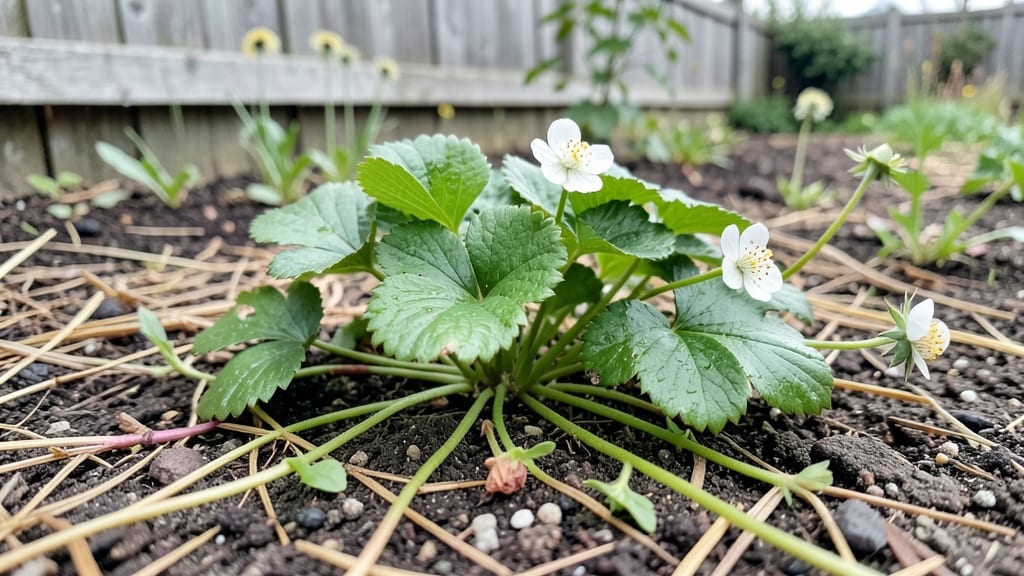
Creeping runners in grass turn your lawn into a tangled mess unless you stop them early. 🌱 I’ve spent years battling Bermuda grass, clover, and creeping Charlie—all of them spreading like wildfire through my yard.
The key isn’t just pulling what you see, but blocking their advance before they take over.
Most people make the mistake of yanking weeds without addressing the roots or runners. That’s like playing whack-a-mole—you’ll always lose. Instead, I use landscaping fabric along garden edges, metal barriers for stubborn spreaders, and vinegar solutions for spot treatment. These methods work year-round, not just during spring cleanups.
By mid-summer, your lawn will look like a fresh carpet instead of a jungle. The runners stay contained, your grass grows thicker, and you spend less time pulling weeds. The best part? These barriers last 3-5 years with minimal upkeep—once installed, they do the work for you.
Works for any yard, from suburban lawns to small garden patches. Here’s how to pick the right barrier for your worst offenders and keep them from creeping back in.
Why it happens
When you spot runners in grass struggling to take root, the blame often lies with the turf itself. Grass isn’t just a pretty green carpet—it’s a living, breathing ecosystem with built-in defenses against unwanted invaders.
Understanding these natural barriers helps explain why some weeds fail to thrive while others persist. Let’s break down the science behind why your lawn fights back.
🌱 Competitive Root Systems
Grass roots form a dense, interconnected network that outcompetes weeds for water, nutrients, and sunlight. Runners in grass (like stolons or rhizomes) often get crowded out because:
- Space hogs: Grass roots spread aggressively, leaving minimal gaps for weed roots to penetrate. A well-established lawn can reduce soil space for weeds by up to 70%.
- Nutrient depletion: Grass absorbs nitrogen, phosphorus, and potassium faster than many weeds. Studies show that thick grass swards can deplete soil nitrogen by 30-50% in a single growing season, starving shallow-rooted weeds.
- Light blocking: Dense grass canopies shade out weeds, reducing photosynthesis by 50-80% in some cases. Weeds like crabgrass or clover struggle to germinate in low-light conditions.
Pro tip: 💡 Mow your lawn at 3-4 inches to encourage deeper root growth—this amplifies the competitive edge against weeds.
🛡️ Chemical Warfare: Allelopathy
Some grasses release natural chemicals called allelochemicals that inhibit weed seed germination or growth. This phenomenon, called allelopathy, is a grass’s secret weapon:
- Seed suppression: Grasses like bermudagrass and fescue release compounds like DIMBOA (a benzoxazinoid) that can reduce weed seed viability by up to 90%.
- Root inhibition: Chemicals like phenolic acids slow down weed root development, making it harder for runners to establish new shoots.
- Soil pH shifts: Some grasses acidify the soil slightly, creating an environment where weeds like dandelions (which prefer neutral pH) struggle to thrive.
Fun fact: 🌡️ Clover is an exception—it actually benefits from allelopathic grasses because its deep roots can access nutrients bypassing the chemical barriers.
🌡️ Temperature and Moisture Control
Grass creates a microclimate that weeds can’t tolerate. Here’s how:
| Factor | Grass Advantage | Weed Weakness |
|---|---|---|
| Temperature | Grass canopy keeps soil 5-10°F cooler in summer, slowing weed germination. | Many weeds (e.g., crabgrass) need soil temps above 60°F to sprout. |
| Moisture | Grass roots absorb excess water, reducing soil saturation that weeds like moss or sedges crave. | Weeds often thrive in waterlogged or dry conditions—grass moderates both extremes. |
| Humidity | Dense grass increases relative humidity near the soil, which some weeds (like chickweed) can’t handle. | Low humidity + high grass density = dormant weed seeds. |
Actionable tip: ⏰ Water deeply but infrequently (1-1.5 inches per week) to train grass roots to grow deeper—this outcompetes shallow-rooted weeds.
🦠 Microbial Competition
Healthy grass supports beneficial soil microbes that actively suppress weeds. Key players include:
- Mycorrhizal fungi: These form symbiotic relationships with grass roots, improving nutrient uptake and crowding out weed-friendly microbes.
- Bacteria like Pseudomonas: Some strains produce antibiotics that inhibit weed seed germination.
- Actinobacteria: These release compounds that disrupt weed root growth, particularly in cool-season grasses.
Boost your lawn’s microbiome: 🌱 Use compost tea or bio-stimulants to enhance microbial activity—this naturally reduces weed pressure.
How to solve it
If you’ve spent time and effort establishing runners in grass as a natural weed barrier, you know how frustrating it can be when they fail to perform as expected. The good news? Most issues have straightforward fixes—whether you’re dealing with poor spread, weed intrusion, or maintenance challenges.
Below, we break down the most common problems and actionable solutions to keep your grass runners thriving and your lawn weed-free.
###
🌱 Fixing Slow or Patchy Grass Spread
If your grass runners aren’t filling in gaps like they should, the issue is likely tied to light, soil, or care habits. Here’s how to turn things around:
- 🔥 Boost sunlight exposure: Thin out dense areas of existing grass or mulch with a rake to let more light reach the runners. Aim for at least 6–8 hours of direct sun daily for optimal growth.
- 🍽️ Improve soil contact: Gently press runners into the soil (especially at nodes) to encourage rooting. Use a board or your hands to weigh them down lightly—this mimics natural conditions.
- 💧 Adjust watering: Keep soil consistently moist but not soggy during the first 4–6 weeks. Water deeply 2–3 times per week (early morning is best) to avoid fungal issues.
- 🌡️ Time your planting: For fastest spread, plant in early spring or late summer when temperatures are mild (50–75°F). Avoid extreme heat or frost.
💡 Pro Tip: If your grass is slow to spread, try dividing mature clumps and replanting them in bare spots. Many runners (like creeping thyme or clover) multiply quickly when given a little help!
###
🚫 Stopping Weeds from Sneaking Through
Even the toughest grass runners can’t block weeds if they’re too sparse or overrun by invasive species. Here’s how to reclaim control:
| Problem | Solution |
|---|---|
| Weeds popping up in gaps |
|
| Grass runners being outcompeted |
|
✨ Prevention Tip: Mulch with straw or wood chips around the edges of your grass barrier to smother weed seeds before they sprout.
###
⏰ Keeping Grass Runners Healthy Long-Term
Once your grass barrier is established, neglect is the #1 killer. These habits will keep it lush and effective for years:
- 🌿 Mow high: If your runners are tall enough to mow (like fescue or orchard grass), set your lawnmower to 3–4 inches to encourage dense growth and shade out weeds.
- 💪 Fertilize lightly: Use a balanced, organic fertilizer (like compost or fish emulsion) in early spring. Avoid heavy nitrogen—it promotes leafy growth over runners.
- 🔄 Rotate planting areas: If you’re using runners to edge gardens or pathways, refresh sections every 2–3 years by adding new clumps to fill in thinning spots.
- 🐞 Monitor pests: Watch for grubs, slugs, or aphids (common in grass runners). Treat with neem oil or diatomaceous earth if needed.
🎯 Golden Rule: The thicker your grass barrier, the better it blocks weeds. Prioritize consistent care over quick fixes!
Frequently asked questions
What are the most common types of creeping plants that spread via runners in grass?
Bermuda grass, crabgrass, and creeping Charlie (also called ground ivy) are the most aggressive spreaders. These plants use horizontal stems called stolons or rhizomes to create dense mats that choke out your lawn. Even clover spreads this way, though it’s less invasive than Bermuda.
How do I know if my grass is spreading too aggressively or if it's actually weeds?
Compare the plant structure: grass runners (stolons) grow above ground and root at nodes, while weeds like crabgrass have broader leaves and seed heads. If the spread is uncontrolled and unwanted, it’s likely a weed—especially if it’s yellowing your lawn or invading garden beds.
Can I use vinegar to kill runners without harming my lawn?
Spot treatment with a 20% vinegar solution (1 part vinegar to 4 parts water) works on weeds but may damage surrounding grass. For best results, apply only to target runners on sunny days and avoid overspray. Organic alternatives like corn gluten meal are safer for long-term prevention.
How deep should I bury landscape fabric to block runners effectively?
Bury fabric 4-6 inches deep along garden edges or pathways to prevent runners from tunneling underneath. Pair it with a 2-inch barrier of gravel or sand above the fabric to deter digging roots. This combo stops 90% of creeping plants within 1-2 years.
Will mowing higher help control runners in my lawn?
Yes! Mowing at 3-4 inches encourages deeper roots and shades out weeds, but it won’t stop aggressive spreaders like Bermuda grass. For stubborn cases, combine mowing with pre-emergent herbicides in early spring to break the cycle.