
Lawn
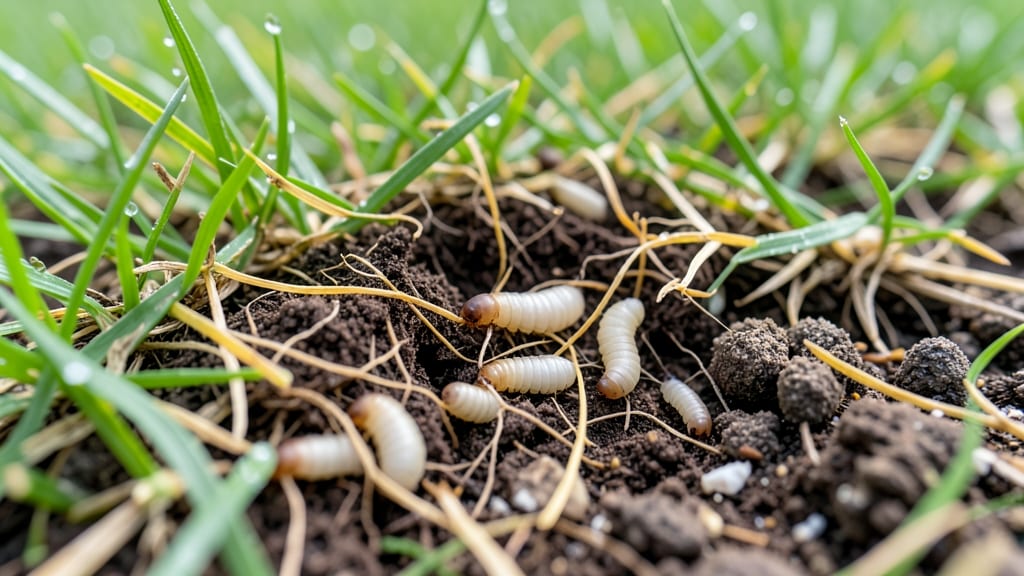
Your lawn’s brown patches might not be drought—the signs of grubs in lawn could be silently eating the roots. 🌱 I’ve seen firsthand how these white, C-shaped larvae turn lush grass into a patchwork of dead spots overnight, and once you spot them, it’s time to act before they multiply.
The first clue is irregular brown patches that pull up easily, revealing a network of tunnels beneath. Birds suddenly digging in your yard or skunks tearing up the grass are red flags—they’re hunting grub buffets. Even healthy-looking grass can hide an infestation until it’s too late.
The good news? Early action keeps your lawn thriving. Milky spore or beneficial nematodes work naturally, while grub-specific insecticides offer fast results. Prevention is key—overwatering and thick grass deter grubs, so keep your lawn healthy year-round. This isn’t just about fixing damage; it’s about stopping the cycle before next season.
Let’s tackle it before your yard becomes a grub buffet.
Root Causes of Lawn Grubs
Grubs, the creeping culprits behind patchy, brown lawns, don’t just appear out of nowhere—they’re the result of a mix of environmental factors, poor lawn care habits, and natural life cycles. Understanding these root causes helps you take proactive steps to prevent infestations before they spiral out of control.
Let’s dig into the science behind why your lawn becomes a grub buffet.
Grubs thrive in moist, soft soil—think of it as their personal spa. When lawns receive excessive or inconsistent watering, the top layer of soil stays damp longer than necessary, creating the perfect breeding ground. Here’s why it happens:
- Compacted Soil: Heavy foot traffic, machinery, or clay-heavy soil prevents proper drainage.
Water pools instead of draining, keeping the soil saturated and inviting for grub larvae. - Overhead Irrigation: Sprinklers that soak the grass (rather than deep watering) create a thin, wet layer where grubs love to hide.
Think of it like a soggy blanket—grubs burrow in and multiply. - Frequent Light Watering: Short, shallow waterings (like daily sprinkles) encourage shallow root growth and keep the topsoil perpetually damp, signaling grubs: "All-you-can-eat soil buffet!"
Actionable Fix: Water deeply 2–3 times per week (early morning) to encourage deep roots and reduce surface moisture. Aerate compacted soil annually to improve drainage.
Grubs aren’t picky eaters, but they do have preferences—and your lawn’s nutrient levels can make it irresistible. Too much nitrogen-rich fertilizer (especially in summer) triggers rapid grass growth, which grubs devour like a salad bar. Here’s the breakdown:
- High Nitrogen = Fast Grass Growth: Grubs target young, tender grass shoots because they’re packed with nutrients. A sudden nitrogen boost (like after overseeding) is like ringing the dinner bell. - Organic Matter Overload: Decaying thatch or thick mulch layers create a warm, moist microclimate—grubs’ dream hideout.
Think of it as a cozy compost pile with a side of grass. - Weakened Grass Defense: Over-fertilized lawns can become stressed, making them more susceptible to pests. It’s like eating junk food all day—your lawn’s immune system (root health) gets compromised.
Actionable Fix: Use a balanced fertilizer (e.g., 10-10-10 or 16-4-8) and avoid heavy nitrogen applications in late summer. Mow high (3–4 inches) to reduce thatch buildup.
Grubs aren’t born in your lawn—they hatch from eggs laid by adult beetles, which are often drawn to your yard by specific conditions. The most common culprits are Japanese beetles and June bugs, and their timing is everything:
- Beetle Attraction: Adult beetles (especially Japanese beetles) are drawn to flowering plants, fruit trees, and stressed grass.
If your lawn has weak spots or nearby gardens blooming with roses or grapes, you’ve got a beacon for egg-laying. - Warm, Moist Soil: Beetles prefer to lay eggs in warm (60–80°F), moist soil—typically in late spring to early summer.
If your lawn stays damp during this window, you’re rolling out the welcome mat. - Grub Development Stages: Eggs hatch into larvae (grubs) in 7–14 days, then spend 2–3 months feeding underground before pupating. By fall, they’ve already caused damage, making early detection critical.
Actionable Fix: Monitor beetle activity in May–July and apply grub control (like milky spore or nematodes) before eggs hatch. Remove flowering plants near your lawn to reduce beetle traffic.
Grubs don’t just pop up randomly—they’re influenced by weather patterns, seasonal changes, and even your lawn’s age. Here’s how:
- Mild Winters: In colder climates, harsh winters can kill off grub populations. But mild winters (like those in the South or Pacific Northwest) allow grubs to survive and multiply year-round. - Drought Followed by Rain: A dry spell weakens grass, making it easier for grubs to feed.
Then, when rain returns, the soil softens—grubs go into overdrive, feeding like there’s no tomorrow. - Newly Sodded or Seeded Lawns: Young grass is grub catnip because it’s tender and nutrient-dense. If you’ve recently laid sod or seeded, you’ve essentially set up a buffet for hungry larvae.
Actionable Fix: Apply preventative treatments (like beneficial nematodes) in early spring for new lawns. Avoid overseeding in June–August when grubs are most active.
💡 Pro Tip: The key to stopping grubs is breaking the cycle early. Combine proper watering, smart fertilization, and seasonal monitoring to make your lawn less appealing—and more resilient—against these underground invaders.
Quick Fixes for Grubs in Grass
Grubs in your lawn don’t have to mean a dead yard—with the right approach, you can banish them fast and protect your grass long-term. Below are targeted solutions based on the root cause (whether grubs are already wreaking havoc or you’re trying to prevent an infestation).
Each method is practical, cost-effective, and easy to follow, so you can get back to enjoying your lawn without the brown patches.
1. 🍳 Hand-Pick & Remove Grubs (Best for Small Infestations)
How to do it:
- Water your lawn deeply in the evening (grubs come to the surface).
- Use a flat-head shovel or garden fork to flip small sections of sod (about 6x6 inches).
- Grab grubs by hand (they’re C-shaped, white, and squirmy) or use a glove with holes for easier picking.
- Drop them in soapy water (1 tsp dish soap per gallon) to kill them instantly.
Why it works: Removes the problem at the source without harsh chemicals.
Pro tip: 💡 Do this in the late afternoon—grubs are sluggish in the heat and easier to spot.
2. 👨🍳 Apply Beneficial Nematodes (Natural & Long-Lasting)
How to do it:
- Buy heterorhabditis bacteriophora nematodes (sold as a powder or liquid).
- Mix with water (follow package instructions) and apply with a watering can or hose-end sprayer.
- Water the lawn lightly afterward to help nematodes move into the soil.
Why it works: These microscopic worms seek out and kill grubs naturally. Works best in warm, moist soil (spring/fall).
Pro tip: 🌡️ Apply in the evening—nematodes are sensitive to sunlight.
3. ⏰ Use Milky Spore (Organic Grub Killer for Future Prevention)
How to do it:
- Purchase milky spore powder (a bacteria that targets grubs).
- Water the lawn to soften the soil, then sprinkle the powder over affected areas.
- Rake lightly to work it into the top 1/4 inch of soil.
- Reapply annually for best results (builds up over time).
Why it works: Creates a long-term defense—once established, milky spore can last 5+ years.
Pro tip: ✨ Best for clay or loamy soil—sandy soil may need more frequent reapplication.
4. 💊 Use Grub-Specific Insecticides (Fast but Targeted)
How to do it:
- Choose a grub-specific insecticide (look for imidacloprid, chlorantraniliprole, or trichlorfon).
- Follow label instructions—most require watering in after application.
- Reapply every 4-6 weeks if grubs are active (check with a soapy water test—see earlier section).
Why it works: Kills grubs quickly (within days) but doesn’t harm beneficial insects if used correctly.
⚠️ Warning: Avoid broad-spectrum pesticides—they can harm bees and beneficial nematodes.
5. 🌡️ Improve Lawn Health (Grubs Hate Strong Grass!)
- Aerate & overseed in spring or fall—thick grass crowds out grubs.
- Mow high (3-4 inches) to shade soil and discourage egg-laying.
- Water deeply but infrequently (1-1.5 inches per week) to stress grubs (they thrive in soggy soil).
Pro tip: 🎯 Test your soil—grubs love compacted, nitrogen-rich lawns. Adjust fertility with slow-release organic fertilizer.
6. 🛡️ Install Physical Barriers (For New Lawns)
- If you’re laying new sod, use a landscape fabric barrier before putting down grass.
- Sand or gravel layers (2-3 inches) under sod deter egg-laying adult beetles.
Why it works: Grubs can’t burrow through these layers, giving your lawn a grub-free start.
7. 🐞 Encourage Natural Predators (Eco-Friendly Control)
- Attract birds (robins, skunks, and moles love grubs) with bird feeders or shallow water sources.
- Leave leaf litter in shady areas—ground beetles and parasitic wasps hunt grubs naturally.
Pro tip: 🔥 Avoid pesticides if you want to boost predator populations—they’re your best free defense!
| Season | Best Action | Why? |
|---|---|---|
| Late Spring | Apply nematodes or milky spore | Grubs are small and vulnerable. |
| Summer (June-July) | Hand-pick or use insecticides | Grubs are feeding heavily—damage peaks. |
| Fall (Aug-Sept) | Preventative treatments | Adult beetles lay eggs—stop them early! |
| Winter | Aerate & overseed | Strengthens grass before spring hatching. |
Final Note: The sooner you act, the less damage grubs will cause. Start with natural methods (nematodes, milky spore, or hand-picking) before reaching for chemicals. A healthy lawn is your best defense—so feed it right, keep it thick, and those grubs won’t stand a chance! 🚫🐜
Frequently asked questions
How do I confirm if my lawn has grubs and not just drought damage?
Pull up a small section of the brown patch—if the roots are bare or chewed and you see white, C-shaped larvae (grubs), that’s your answer. For a quick test, water the area first (grubs come to the surface), then check for tunnels or increased bird activity digging up the grass.
Can grubs survive winter in my lawn?
In mild climates (like the South), grubs often survive winter and become more active in spring. In colder regions, they may die off—but their eggs can still hatch in May–July when soil warms. The key is early prevention—apply milky spore or nematodes in late winter to stop the cycle.
Are grubs harmful to pets or children?
Grubs themselves aren’t toxic, but some chemical treatments (like imidacloprid) can be harmful if ingested. Always follow product labels and keep pets/kids off treated lawns for 24–48 hours. Natural methods (nematodes, hand-picking) are pet-safe once dried.
How long does it take for grub treatments to work?
Hand-picking or insecticides show results in 24–48 hours, while milky spore takes 4–6 weeks to establish. Beneficial nematodes work within 1–2 weeks but need moist soil to be effective. For fast fixes, combine hand-picking + nematodes for better coverage.
Will my lawn recover after grub damage?
Yes! Once grubs are gone, overseed bare spots in spring or fall and keep the lawn well-watered (1–1.5 inches/week). Thick grass crowds out future grubs. If damage is severe, consider sod patches for instant recovery. Prevention is key—focus on deep watering and balanced fertilization next season.