
Lawn
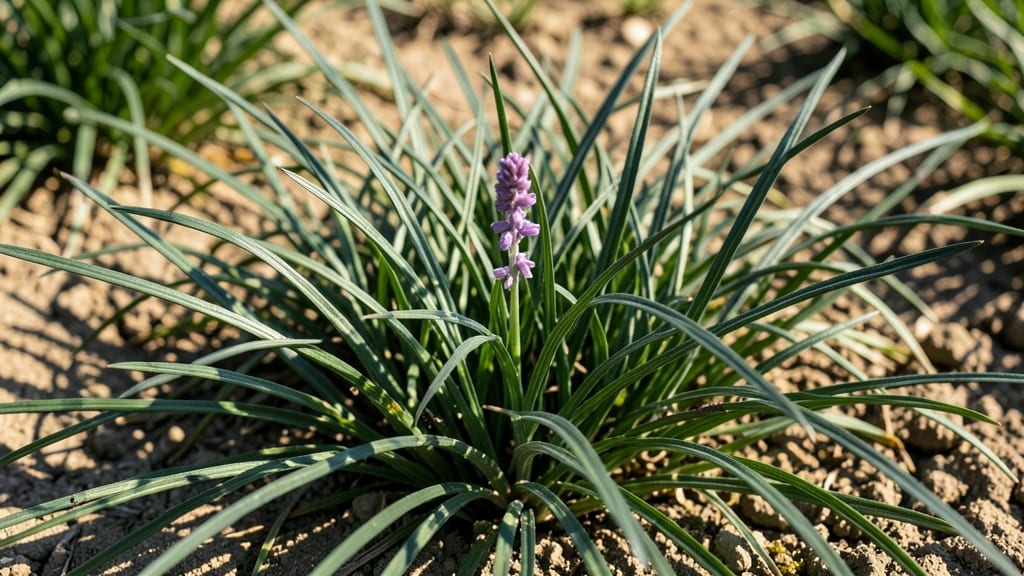
Spider grass weeds might look harmless, but they’re the sneaky lawn invaders that turn your yard into a tangled mess. 🌱 I’ve battled these wiry, sprawling weeds for years, and I’ve learned how to spot them before they take over—those jagged, grass-like blades with a slightly fuzzy texture are dead giveaways.
They don’t just compete with grass; they strangle it, leaving bare patches that look like your lawn gave up entirely.
The good news? Spider grass weeds actually make a natural barrier against other lawn invaders when managed right. Pulling them by hand works for small patches, but for larger areas, a mix of vinegar spray (for spot treatment) and smothering with cardboard keeps them from creeping back.
I’ve seen lawns go from patchy to lush in just a few weeks after clearing these out—no harsh chemicals needed.
You’ll know you’ve won when your grass fills in thick and green, with no more wiry intruders sneaking through. The key is acting fast—once they spread, they’re nearly impossible to dig out without disturbing your entire lawn.
Think of this as a two-step process: remove what’s there, then fortify the soil to keep them out for good.
Works best in warm seasons when weeds are most active, but early spring prevention is even better. A little elbow grease now saves hours of frustration later—and your lawn will thank you with that vibrant, weed-free look you’ve been dreaming of.
Why it happens
Spider grass weeds—Botriochloa species—don’t just pop up out of nowhere. Their aggressive spread is the result of a mix of environmental, ecological, and even human-influenced factors. Understanding these causes is the first step to reclaiming your lawn naturally. Let’s break down why these resilient weeds take over.
🌱 Natural Adaptations For Survival
Spider grass thrives because it’s a master of opportunistic growth. Its long, wiry rhizomes (underground stems) and stolons (above-ground runners) allow it to spread rapidly, even in poor soil conditions. Here’s how its biology works in its favor:
- Deep root systems: Unlike shallow-rooted grasses, spider grass can tap into water and nutrients deep underground, making it drought-resistant. 🌡️ Pro tip: If your lawn is dry or compacted, these weeds will outcompete weaker grasses.
- Fast reproduction: A single plant can produce thousands of seeds, which stay viable in the soil for years. Even a tiny patch left untreated can explode into a full-blown invasion.
- Shade tolerance: While it prefers full sun, spider grass can survive in partial shade, giving it an edge in lawns with trees or dense grass.
🌍 Environmental Conditions Favor Growth
Spider grass doesn’t just tolerate stress—it thrives on it. These conditions create the perfect storm for its spread:
| Factor | Why It Helps Spider Grass |
|---|---|
| Poor soil quality | Low organic matter or compacted soil prevents desirable grasses from establishing strong roots, leaving gaps for weeds to fill. |
| High foot traffic | Trampling weakens grass, creating bare spots where spider grass seeds germinate and spread via rhizomes. |
| Drought or irregular watering | Uneven moisture stresses lawn grasses, while spider grass’s deep roots let it survive dry spells, giving it a competitive advantage. |
| Over-fertilization | Too much nitrogen can promote rapid (but weak) grass growth, while spider grass thrives on imbalanced nutrients. |
💡 Actionable fix: Test your soil pH and nutrient levels—spider grass often dominates when soil pH is below 6.0 or lacks potassium.
👨🌾 Human Habits That Accelerate Spread
Even the best-maintained lawns can fall victim to spider grass if certain practices are overlooked. Here’s how human behavior plays a role:
- Improper mowing: Cutting grass too short (below 2–3 inches) stresses the lawn, while leaving clippings too long can smother desirable grass and provide shade for spider grass seeds. ⏰ Fix: Mow high in summer and remove clippings if they’re thick.
- Lack of overseeding: Thin lawns (from wear, pests, or age) leave open spaces for weeds. Spider grass fills these gaps faster than most grasses.
- Ignoring thatch buildup: A thatch layer over ½ inch thick blocks water and nutrients, weakening grass and giving spider grass a foothold.
- Using weed killers incorrectly: Over-reliance on herbicides can kill beneficial microbes in the soil, making it easier for invasive species like spider grass to dominate.
🎯 Key takeaway: Spider grass exploits weakness—whether in your lawn’s health, your maintenance routine, or the soil itself. Addressing these gaps is how you starve it out.
Tackling Stubborn Grass Overgrowth
Spider grass weeds—those sprawling, wiry invaders—can turn a lush lawn into a tangled mess. But with the right approach, you can reclaim your yard without harsh chemicals. Below are targeted solutions based on the root causes of their spread, from overcrowding to poor soil health.
Each fix is designed to be practical, eco-friendly, and effective for long-term control.
🌱 Overcrowded Lawns: Thin Grass Lets Weeds Thrive
When your lawn is sparse or patchy, spider grass weeds seize the opportunity to spread unchecked. The fix? Strengthen your turf’s defenses with these steps:
- 🔥 Boost Grass Density
- Seed bare spots with a high-quality grass seed blend suited to your climate (e.g., Bermuda, Zoysia, or Fescue for cooler regions).
- Overseed thin areas in early fall or spring when conditions are ideal for germination.
- Water deeply (1–1.5 inches per week) to encourage deep root growth—shallow roots = weak turf.
- 👨🍳 Feed Your Lawn
- Apply a slow-release, organic fertilizer (like compost or a 16-4-8 blend) in early spring and late summer.
- Top-dress with a thin layer of compost to improve soil structure and nutrients.
- Avoid over-fertilizing—too much nitrogen promotes rapid (but weak) growth, making grass more susceptible to weeds.
- 🌡️ Mow Smart
- Keep your mower blade sharp and set to 3–4 inches high—taller grass shades out weeds and develops deeper roots.
- Never remove more than ⅓ of the blade height in one mowing to avoid stressing the grass.
🌦️ Poor Soil Conditions: Weeds Love Weak Foundations
Spider grass weeds thrive in compacted, nutrient-poor, or acidic soil. Revitalize your soil to starve them out:
- 💡 Test and Amend Soil
- Conduct a soil test (kits are cheap and available at garden centers) to check pH and nutrient levels.
- Adjust pH if needed: Spider grass prefers slightly acidic to neutral soil (6.0–7.0). Add lime to raise pH or sulfur to lower it.
- Improve drainage by aerating compacted soil in spring or fall (rent a core aerator or hire a pro).
- 🌱 Mulch and Mulch Again
- Spread 2–3 inches of organic mulch (like shredded bark or pine straw) around garden beds to suppress weeds naturally.
- Top-dress lawns with compost annually to feed soil microbes and outcompete weeds.
- 🎯 Use Corn Gluten Meal (Pre-Emergent Barrier)
- Apply corn gluten meal in early spring (before weeds germinate) to inhibit seedling growth. It’s organic and breaks down safely.
- Reapply after heavy rains or mowing to maintain the barrier.
🔪 Manual Removal: When to Pull, Dig, or Smother
For existing spider grass weeds, physical removal is often the fastest way to regain control:
- 🔪 Pull by Hand (Best for Small Patches)
- Wait for damp soil (after rain or watering) to make weeds easier to remove.
- Grasp the base of the weed and pull firmly—spider grass has shallow roots, so most should come out easily.
- Dispose of weeds in the trash (not compost) to prevent regrowth.
- 🥘 Smother with Cardboard or Landscape Fabric
- Cover bare spots with cardboard or thick newspaper, then top with 2–3 inches of mulch to block sunlight.
- For larger areas, use landscape fabric (with holes for grass to grow through) to suppress weeds while improving soil.
- 🌿 Vinegar or Boiling Water (Spot Treatment)
- Mix 1 gallon of white vinegar + 1 oz. dish soap and spray directly on weeds (avoid desirable plants—vinegar kills everything).
- For stubborn clumps, pour boiling water over the roots to kill them instantly.
⏰ Prevention: Keep Weeds from Coming Back
Once you’ve cleared spider grass weeds, these habits will keep them from staging a comeback:
- 💡 Stay Vigilant
- Inspect your lawn weekly for new weeds, especially after rain or mowing.
- Remove weeds early—the smaller they are, the easier they are to pull.
- 🌡️ Maintain Consistent Watering
- Deep, infrequent watering (1–2 times per week) encourages deep roots, while shallow, frequent watering favors weeds.
- Water early morning to reduce evaporation and fungal risks.
- 🎯 Rotate Your Strategy
- Alternate between pre-emergent treatments (like corn gluten) and post-emergent methods (hand-pulling, smothering).
- Avoid overusing herbicides—they can harm your lawn and contribute to resistance.
- 🌱 Plant Competitive Ground Covers
- Fill empty spaces with clover, creeping thyme, or moss—these plants crowd out weeds naturally.
- For shady areas, try Hosta or Ajuga to outcompete spider grass.
With persistence and the right techniques, you can transform your lawn from a weed-choked battlefield into a lush, low-maintenance oasis. Start with one or two methods, monitor progress, and adjust as needed—your yard will thank you!
Frequently asked questions about spider grass weeds
How can I tell if those wiry weeds in my lawn are actually spider grass?
Look for long, thin blades with a slightly fuzzy texture and a sprawling growth habit. Spider grass spreads through both underground rhizomes and above-ground runners, creating dense mats. Unlike grass, it often has a slightly blue-green tint and grows in irregular clumps rather than uniform rows. Pro tip: Check for tiny white roots along the stems—this is a key identifier.
Is spider grass bad for my lawn?
Yes, it's considered invasive because it outcompetes desirable grass by spreading aggressively through both seeds and underground stems. It creates bare patches by choking out grass and can make your lawn look thin and patchy. The good news? It's not poisonous—just a nuisance that needs removal to restore your lawn's health.
What's the fastest way to remove spider grass from my lawn?
For small patches, pull weeds when soil is damp (after watering or rain) to remove entire root systems. For larger areas, smother with thick cardboard covered by mulch to block sunlight. A spot treatment of vinegar + dish soap works quickly but kills all plant life where applied. Always follow up with overseeding to prevent regrowth.
Can I use herbicides to kill spider grass without harming my lawn?
Selective herbicides like trimec (triclopyr-based) can target broadleaf weeds, but spider grass is a grassy weed, so you'll need a grassy weed killer containing glyphosate or quinclorac. Always apply when grass is actively growing (spring/fall) and water thoroughly after treatment. For organic solutions, vinegar or boiling water work better for spot treatment.
How do I prevent spider grass from coming back?
Start by improving your lawn's health: mow high (3-4 inches), overseed thin areas, and maintain consistent watering. Apply corn gluten meal in early spring as a natural pre-emergent. For long-term control, plant competitive ground covers like clover or creeping thyme in problem areas. Regular soil testing helps identify nutrient deficiencies that attract weeds.