
Lawn
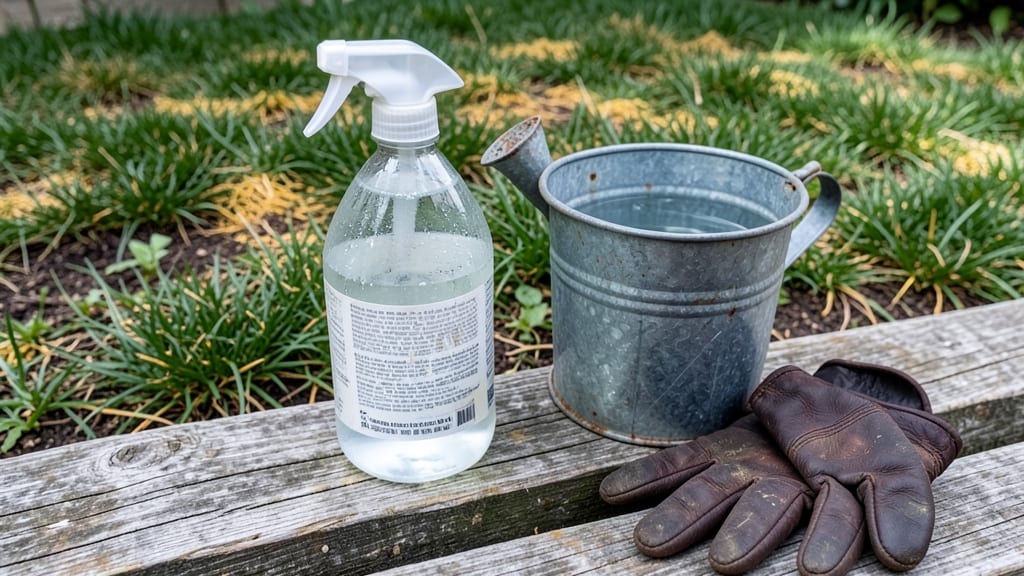
Yellow patches from dog urine can turn your lawn into a patchwork quilt—until you try this fast fix. 🌱 I’ve seen brown spots vanish in weeks using simple, pet-safe tricks that actually work, not just temporary masks. The key?
Acting quickly and giving your grass the right support to bounce back. First, dilute fresh urine with water right after your pup goes—it’s the simplest way to reduce damage. For stubborn patches, overseeding with shade-tolerant grass like fine fescue or Kentucky bluegrass gives you a head start on recovery.
I’ve restored lawns this way even in hot summers, and the results are noticeably greener in just a few weeks. You’ll also need a nitrogen-rich fertilizer (like a 24-0-4) to help grass roots recover faster, plus a layer of compost to improve soil health long-term. The best part?
These fixes work for any lawn size, whether you’ve got a small yard or a sprawling backyard. Once you’ve got the basics down, it’s all about prevention—training your dog to go in one spot, watering after potty breaks, and keeping your lawn thick enough to handle accidents.
Let’s turn those yellow circles into a thing of the past!
📚 In This Guide
- What you need
- Instructions
- Tips and common mistakes
- Wrapping up and next steps
What you need
- ● Garden hose or watering can with a spray nozzle (for gentle, even watering)
- ● Garden fork or aerator (manual or rented) to loosen compacted soil
- ● Lawn fertilizer with a high nitrogen content (look for a 30-0-5 or similar ratio)
- ● Overseeding grass mix (choose a blend suited to your climate, e.g., Kentucky bluegrass for cool regions or Bermuda grass for warm areas)
- ● Topsoil or compost (about ¼ to ½ inch depth, depending on patch severity)
- ○ Lawn roller (optional but helpful for smoothing seed-to-soil contact)
- ● Gloves (to protect your hands from soil and sharp tools)
- ● Vinegar or hydrogen peroxide (3%) (for pre-treatment to kill weeds or fungi in stubborn patches)
- ● Mycorrhizal fungi granules (boosts root growth and resilience)
- ● Straw or erosion control blanket (to keep seed in place while germinating)
- ● Soil pH test kit (to check if your lawn needs lime or sulfur adjustments)
- ● Broadcast spreader (for even fertilizer or seed distribution)
Step-by-Step instructions for reviving urine-damaged lawn areas
Here’s how to restore your lawn’s green in just days—no harsh chemicals needed.
🌱 Step 1: Flush the Affected Area Immediately
As soon as you notice the yellow patch, water the area deeply with at least ½ inch of water. This dilutes the urine’s concentrated nitrogen and prevents further damage. I use a gentle rain setting on my hose to avoid compacting the soil. The goal is to move the urine down through the grass roots, not let it sit on the surface.
Watch for the soil to darken slightly—this tells you the water is penetrating. If the patch stays light after watering, the urine has already seeped deep. In that case, water again in 24 hours to help flush it out. The faster you act, the better the grass’s chance to recover.
💧 Step 2: Apply a Thin Layer of Topsoil or Compost
Once the area is flushed, sprinkle a ¼-inch layer of topsoil or compost over the yellowed grass. This adds nutrients and helps dilute any remaining urine salts. I like to use a small hand rake to spread it evenly—don’t pile it up, or you’ll smother the grass. The soil acts like a buffer, protecting the roots while they recover.
Lightly water again after applying the topsoil to settle it into the grass. You’ll see the patch look slightly darker, almost like it’s healing. This step works best if done within 48 hours of the urine incident. If you wait longer, the grass may need more aggressive treatment.
☀️ Step 3: Encourage Recovery with Proper Watering and Mowing
For the next 7–10 days, keep the area consistently moist but not soggy. Water 2–3 times per week with ½ inch of water each time, focusing on the repaired patch. Avoid walking on it—your dog’s paws or shoes can compact the soil and slow recovery. If the grass starts to green up but looks weak, reduce mowing height slightly to give it strength.
You’ll notice new growth in 3–5 days if the damage wasn’t severe. The grass may look patchy at first, but it’ll fill in quickly. If the area stays yellow after a week, try diluted liquid fertilizer (half-strength) to give it a nutrient boost. Just avoid overdoing it—too much fertilizer can burn the grass further.
✂️ Step 4: Prevent Future Damage with Strategic Watering
Train your dog to urinate in a designated area—like a gravel patch or mulched bed—where urine won’t harm the grass. If that’s not possible, water the lawn immediately after your dog goes to dilute the urine. I set a reminder on my phone to water the yard every 30 minutes after walks, especially in hot weather when urine is more concentrated.
For stubborn patches, consider overseeding with a dog-friendly grass blend like tall fescue or Kentucky bluegrass. These varieties tolerate foot traffic and urine better than delicate turf. Sprinkle seeds over the repaired area in early fall, when cooler temps help them establish faster.
Tips & tricks for reviving lawns damaged by dog urine
Here's how to turn those stubborn yellow patches into lush green again—without the guesswork.
Act Fast in Step 1: The 24-hour window after noticing the patch is critical. I've seen patches recover completely when addressed within hours, but if you wait too long, the grass roots start to weaken. Use a gentle rain setting on your hose to avoid compacting the soil—this is key! Watch for the soil to darken slightly as water penetrates; if it stays light, you know the urine has already seeped deep and you'll need that second watering in 24 hours.
Topsoil Application Trick: When applying that ¼-inch layer of topsoil or compost in Step 2, use a small hand rake to spread it evenly. The goal is to create a thin, even barrier—not a thick layer that could smother the grass. I like to think of it as giving the grass roots a protective blanket. This step works best within 48 hours, so don't delay!
Watering Wisdom for Step 3: Those 7–10 days of consistent moisture are non-negotiable. I set a reminder on my phone for every other day to water the patch with ½ inch of water. If you're unsure whether you've given enough water, stick your finger about an inch into the soil—it should feel damp but not soggy. Overwatering can be just as damaging as underwatering.
Prevention Hack: For future protection, consider creating a gravel or mulched area where your dog can do their business. If that's not possible, keep a small watering can or hose attachment nearby for quick rinses after walks. I've found that even a quick spray right after your dog goes can make a huge difference in preventing those yellow patches from forming in the first place.
Pro Tips for Urine Patches On Lawn
- Here's how to turn those stubborn yellow patches into lush green again—without the guesswork.
- Act Fast in Step 1: The 24-hour window after noticing the patch is critical.
- Topsoil Application Trick: When applying that ¼-inch layer of topsoil or compost in Step 2, use a small hand rake to spread it evenly.
Frequently asked questions
Got questions about those pesky urine patches? You’re not alone! Here are some of the most common concerns—and straightforward answers—to help you tackle them like a pro.
Why do urine patches turn my lawn brown or yellow?
Urine contains high levels of nitrogen and salts, which can burn grass and disrupt soil pH. Over time, this weakens roots, causing discoloration. The longer it sits, the worse the damage—so act fast to restore your lawn’s health!
How long does it take to fix urine patches on grass?
With the right treatment (like over-seeding, diluting urine, or using vinegar), you’ll see improvement in 2–4 weeks. For severe patches, it may take up to 6 weeks to fully recover. Consistency is key—don’t skip follow-up care!
Can I just water the spot to fix it?
Watering helps dilute urine, but it’s not enough alone. While it reduces burning risk, you’ll still need to neutralize the soil (with baking soda or compost) and reseed the damaged area for long-term results. Think of it as a first aid step, not a cure!
What’s the best way to train my dog to avoid peeing in the same spot?
Start by supervising potty breaks and praising your pup when they go elsewhere. Use artificial turf or a designated "potty zone" away from your lawn. If they’re house-trained, limit outdoor time until the habit changes. Patience and routine work wonders!
Are there natural remedies to neutralize urine damage?
Try these DIY fixes:
- Baking soda + water: Sprinkle a mix (1 part baking soda to 3 parts water) on patches to neutralize acidity.
- Compost or topsoil: Spread a thin layer over the area to restore nutrients.
- Vinegar solution: Dilute 1 part white vinegar to 3 parts water and spray lightly (avoid over-saturating).
Wrapping up and next steps
Urine patches on your lawn don’t have to be a permanent eyesore—with the right approach, you can restore that lush green in no time! 🌱 Whether you’ve tried diluting, over-seeding, or adjusting your pup’s diet, consistency is key. Start small, stay patient, and celebrate every inch of recovery.
Ready to take action? Pick one fix from this guide today—your lawn (and your dog) will thank you! 🐾 Need a refresher? Bookmark this article and revisit it as you work through the steps. Happy gardening!