
Lawn
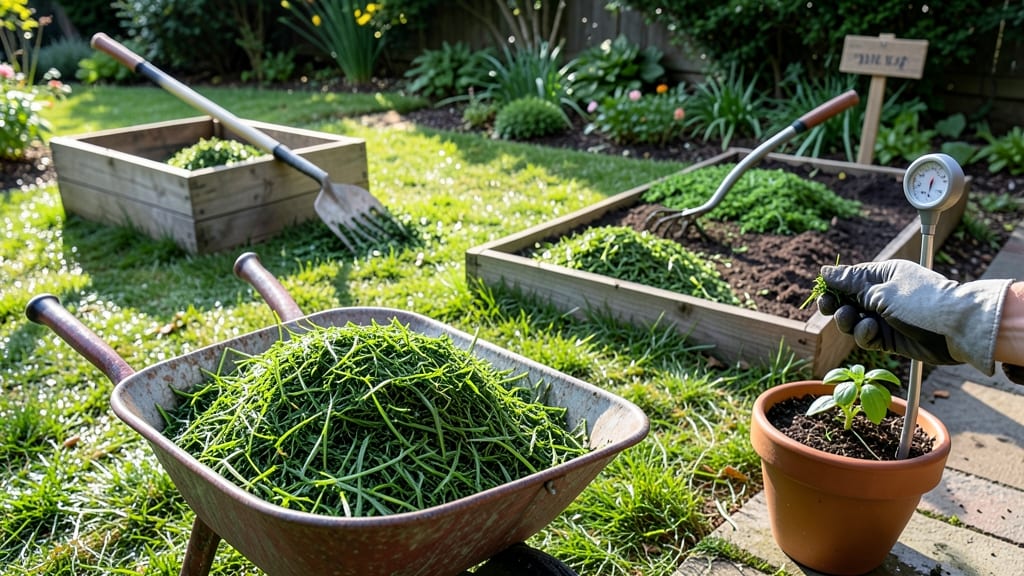
The uses for lawn clippings aren't just about yard waste—they're free fertilizer and mulch waiting to happen. 🌱 I used to bag them up every week, but now they feed my garden, reduce my trash, and cut my fertilizer bills.
The secret is catching them at the right stage and using them wisely. Fresh clippings work best as mulch or compost, while slightly dried ones make excellent mulch for flower beds. The nitrogen-rich grass breaks down fast, feeding soil microbes and plants.
Just avoid using clippings from lawns treated with herbicides—they can harm your garden. You'll save money on compost and mulch while keeping your yard greener. A single mowing can provide enough clippings to mulch a 4x8-foot garden bed, and the process takes less than 10 minutes.
No more buying bags of mulch or fertilizer when nature provides it for free. The key is timing: use fresh clippings immediately to prevent matting, and store dried clippings in a dry place. With these simple tricks, you'll turn yard work into garden enrichment—no extra cost or effort required.
📚 In This Guide
- What you need
- Instructions
- Tips and common mistakes
- Wrapping up and next steps
What you need
- ● Lawn clippings: Freshly mowed grass (avoid clippings treated with herbicides or pesticides). Aim for 5–10 gallons (or more, depending on your project).
- ● Garden gloves: A pair of durable, nitrile-coated gloves (e.g., 18–20 gauge) to protect your hands from sharp grass blades and potential irritants.
- ● Wheelbarrow or large bucket: A 5–7 gallon capacity (e.g., plastic or metal) for easy transport. A wheelbarrow is ideal for larger quantities.
- ● Shovel or pitchfork: A stainless steel or aluminum tool with a 12–18 inch handle for mixing or moving clippings.
- ● Watering can or hose: For moistening clippings (especially for composting or mulching). A 1–3 gallon watering can works well.
- ○ Compost bin or pile area: If composting, use a 3x3x3 ft bin or designated area with a perforated lid (optional but helpful).
- ● Newspaper, cardboard, or straw: 2–3 sheets of brown material (carbon source) for balancing nitrogen-rich clippings in compost.
- ● Lawn mower with mulching setting: If you don’t already have one, a bagless mower with a mulching blade can shred clippings finely for instant mulch.
- ● Garden rake: A 8–12 tooth rake for spreading clippings evenly as mulch or in compost layers.
- ● Plastic sheeting or tarp: A 4x6 ft sheet to line compost piles or protect work surfaces from moisture.
- ● Thermometer (composting only): A digital compost thermometer to monitor heat (ideal range: 130–160°F).
- ● Burlap sacks or mesh bags: For storing dried clippings (e.g., 10–20 gallon capacity) if you’re saving them for later use.
- ● Safety goggles: Recommended if handling large quantities to avoid grass debris in your eyes.
Creative ways to reuse lawn clippings without wasting a thing
Here’s how to turn your grass clippings into free fertilizer, mulch, and even soil amendments—no extra cost, just clever repurposing.
🪴 Step 1: Collect Clippings Properly for Compost or Mulch
Use a lawn bagger or simply leave clippings on the lawn after mowing—this is called "grasscycling," and it returns vital nitrogen to the soil. If you prefer to collect them, empty the bag into a 5-gallon bucket or directly into a compost pile. Avoid letting clippings pile up in thick layers, as they can mat and suffocate grass.
For mulch, spread clippings ¼ inch thick around garden beds or shrubs. This prevents weeds, retains moisture, and slowly breaks down into nutrients. I like to mow in strips and alternate directions each time to distribute clippings evenly.
🌱 Step 2: Turn Clippings Into Nutrient-Rich Compost
Mix clippings with brown materials (like dried leaves or shredded paper) in a 3:1 ratio to balance nitrogen and carbon. Clippings break down quickly—turn the pile every 1-2 weeks to speed up decomposition. You’ll see fluffy, dark compost in 4-6 weeks.
If you don’t have a compost pile, layer clippings between rows of vegetables in the garden. They’ll decompose into free fertilizer while suppressing weeds. Just avoid piling them near plant stems to prevent rot.
☀️ Step 3: Use as a Free Soil Amendment for Garden Beds
Spread a ½-inch layer of clippings over garden beds and till them into the top 2 inches of soil before planting. This adds nitrogen, improves soil structure, and encourages earthworms. I do this in early spring to give plants a nutrient boost without buying fertilizer.
For potted plants, mix dried clippings into the top inch of soil. They’ll break down slowly, feeding roots over time. Avoid using clippings from lawns treated with herbicides—always wait 3-4 weeks after treatment before repurposing.
✂️ Step 4: Make Grass Clipping Tea for Liquid Fertilizer
Fill a 5-gallon bucket halfway with clippings, top with water, and let it steep for 2-3 days. Stir daily to aerate. Strain through a mesh bag or old pillowcase, then dilute the tea with water (1:1 ratio) before using. This nutrient-rich liquid is perfect for watering houseplants or garden beds.
Use the tea within 24 hours of straining to prevent odor and bacterial growth. I apply it every 2 weeks during growing season for lush, healthy plants. Avoid using on seedlings, as the high nitrogen can burn tender roots.
🌿 Step 5: Prevent Weeds and Moisture Loss with Clipping Mulch
Spread clippings along garden paths or between rows of crops to block weeds and retain moisture. A ½-inch layer works best—thicker layers can smother plants. This method is especially useful in vegetable gardens where weeds compete for nutrients.
For flower beds, mix clippings with wood chips or straw for a tidy, weed-free look. The clippings will decompose into the soil, feeding plants while keeping the area neat. Just avoid piling them against tree trunks, as this can trap moisture and cause rot.
Tips & tricks for maximizing your lawn clippings
These clever strategies will help you get the most out of your grass clippings without any extra effort—just smart repurposing.
Timing for Freshness: When using clippings for mulch or soil amendments in Step 3, fresher is always better. Use them within 24 hours of mowing for the best nutrient content. If you're making compost in Step 2, you have a bit more flexibility, but still aim to add them to your pile within a day or two to avoid mold or odor.
Layering for Better Compost: In Step 2, instead of just dumping clippings on your compost pile, alternate them with brown materials like dried leaves or shredded newspaper. Think of it like lasagna—layering creates airflow and prevents clumping. I like to start and end with brown materials to contain the greens and speed up decomposition.
Clipping Tea Pro Tip: For Step 4, if you're short on time, you can reduce the steeping time to 1-2 days instead of 2-3, but the flavor will be slightly less potent. To boost nutrient content, add a handful of banana peels or eggshells to the bucket while steeping—these add extra potassium and calcium to your liquid fertilizer. Just strain them out before using the tea.
Mulch Thickness Matters: When applying clippings as mulch in Step 5, remember that ¼ inch is ideal for garden beds, but ½ inch works better for paths or between rows. Too thick, and you risk smothering plants; too thin, and you won't get the full weed-blocking benefits. I use a ruler to check thickness—it's an easy way to avoid guesswork.
Pro Tips for Uses For Lawn Clippings
- These clever strategies will help you get the most out of your grass clippings without any extra effort—just smart repurposing.
- Timing for Freshness: When using clippings for mulch or soil amendments in Step 3, fresher is always better.
- Layering for Better Compost: In Step 2, instead of just dumping clippings on your compost pile, alternate them with brown materials like dried leaves or shredded newspaper.
Frequently asked questions
Got questions about repurposing your lawn clippings? You’re not alone! Here are answers to the most common queries—so you can turn grass waste into green gains without the guesswork.
Can I use lawn clippings right after mowing?
Fresh clippings are best used immediately for mulching or composting, but let them dry slightly (10–15 minutes) if you’re spreading them on flower beds to avoid matting. For compost piles, mix them with browns (like leaves) to balance nitrogen and prevent odors. Pro tip: If clippings are wet or slimy, spread them thinly to dry faster.
Will lawn clippings attract pests or rodents?
No—unless you pile them up wet and thick, which can create a breeding ground for flies or rodents. Keep piles small (under 2 feet high) and turn compost regularly. For mulching, spread clippings thinly (¼-inch layer) to deter pests. Bonus: Clippings repel slugs when used as mulch around veggie gardens!
How long does it take for clippings to break down in compost?
Lawn clippings decompose in 2–4 weeks in a well-balanced compost pile (equal parts greens and browns). For faster results, chop them smaller with a lawn mower or shredder. If your pile smells bad, add more carbon-rich materials (like straw or dry leaves) to speed up the process and cut odors.
Are there any downsides to using clippings as mulch?
Overdoing it can smother plants or block sunlight, but a ¼-inch layer is ideal. Avoid using clippings from chemically treated lawns (wait 3–4 weeks after herbicide/pesticide use). Also, clippings from grass with fungal diseases (like brown patch) shouldn’t be used near edible plants. Safety first!
What’s a quick alternative if I don’t have clippings?
No clippings? No problem! Use dry leaves, straw, or shredded newspaper for mulch. For compost, swap in kitchen scraps (veggie peels, coffee grounds) or wood ash (sparingly). Just maintain the green-to-brown ratio (3:1 browns to greens) to keep your pile happy.
Wrapping up and next steps
From fertilizing your garden to creating natural mulch or even crafting DIY projects, lawn clippings are a goldmine of free, eco-friendly resources! 🌱 Instead of tossing them away, you’re now equipped with creative ways to save money, reduce waste, and boost your yard’s health.
Why not start small—pick one idea from this list and give it a try today?
Ready to turn your grass into green gold? Grab your clippings and get started! 💚