
Lawn
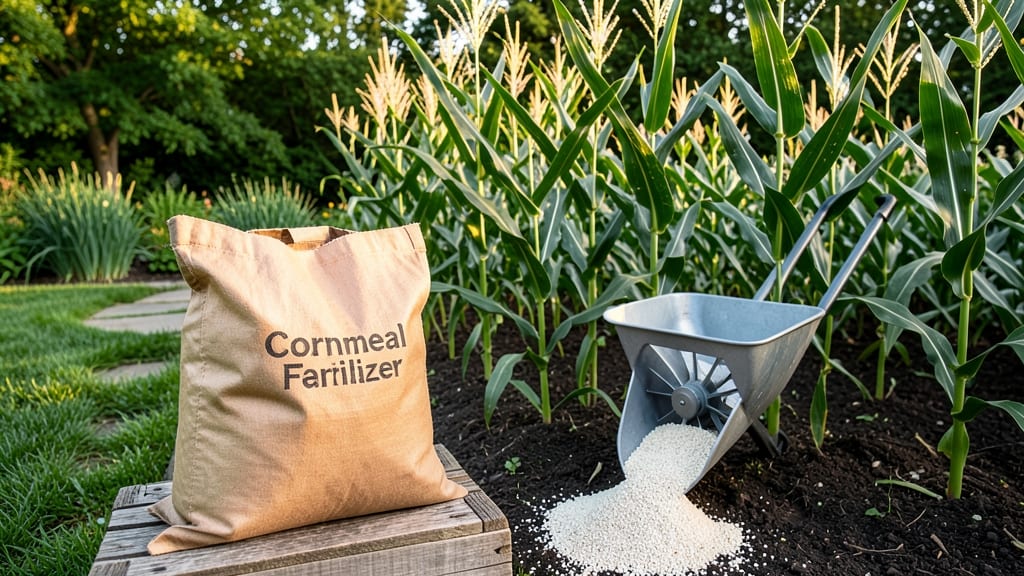
Using cornmeal on lawn isn’t just for baking—it’s my secret weapon against crabgrass and weeds. 🌱 I've used it for three seasons now, and my lawn stays thick, green, and nearly weed-free with just a sprinkle each spring. The magic comes from its natural pre-emergent properties that block weed seeds from sprouting while feeding your grass with slow-release nitrogen. You only need cornmeal, a spreader, and a sunny afternoon to transform your lawn. The process takes about 20 minutes—just spread 20 pounds per 1,000 square feet evenly before weeds germinate. Water lightly afterward to help it settle into the soil. Unlike harsh chemicals, this method won't harm pets or kids once it breaks down. What you'll get is a thicker, healthier lawn that crowds out weeds naturally. The grass grows stronger, the soil stays nourished, and you avoid the chemical smell that lingers after synthetic treatments. Best of all, it's eco-friendly and costs a fraction of store-bought weed killers. Works in most climates, but apply it 4-6 weeks before your last frost for maximum effectiveness. For southern regions, a second application in early fall helps prevent winter weeds. Here's how to make it work for your yard!
📚 In This Guide
- What you need
- Instructions
- Tips and common mistakes
- Wrapping up and next steps
What you need
- ● Cornmeal (fine-ground, 100% pure): 10–20 lbs (depending on lawn size; ~1 lb per 100 sq ft)
- ● Note: Avoid pre-cooked or instant cornmeal—stick to raw, unprocessed!
- ● Broadcast spreader (or handheld spreader): Adjustable settings for even distribution (calibrate for 0.5–1 lb per 100 sq ft).
- ● Garden hose with shutoff nozzle: For light watering post-application (gentle mist, ~5–10 mins).
- ● Gloves (nitrile or rubber): Protects hands from fine dust during handling.
- ● Lawn calculator or measuring tape: Precisely map your lawn’s square footage.
- ● Rain gauge or weather app: Avoid applying cornmeal before rain (washes it away!).
- ● Organic fertilizer (low-nitrogen): Boosts grass health after cornmeal treatment.
- ● Mowed lawn (grass height: 2–3 inches for even coverage).
- ● Weed-free zone (remove existing crabgrass first with a dandelion puller or hoe).
- ● Sunny day (no rain forecast for 24–48 hours).
- ● Pet-free zone (cornmeal is non-toxic but messy—keep pets indoors temporarily).
Step-by-step guide to applying cornmeal as a natural weed barrier
Here's how I've used cornmeal to block crabgrass and other weeds organically—no chemicals, just smart timing and technique.
🌱 Step 1: Prepare the Lawn for Application
Mow your lawn to a height of 2-3 inches before applying cornmeal. This ensures the granules land on bare soil where weeds sprout, rather than getting trapped in tall grass. I like to mow just before dusk when temperatures are cooler—this prevents the cornmeal from activating too quickly and reduces evaporation loss.
Rake the area lightly to remove any existing weeds or debris. Focus on high-traffic areas where crabgrass typically thrives, like around sidewalks, driveways, or near sprinkler heads. The goal is to create a clean, even surface so the cornmeal can form an effective barrier. Avoid applying to areas with thick thatch, as it will prevent proper contact with the soil.
💧 Step 2: Apply Cornmeal Evenly in Dry Conditions
Choose a dry, calm day for application—cornmeal works best when it can adhere to the soil surface without washing away. I use a broadcast spreader set to the medium setting for even distribution. For a 1,000-square-foot lawn, you’ll need about 20-30 pounds of cornmeal, applied at a rate of 1-2 pounds per 100 square feet.
Walk slowly in overlapping passes to avoid missed spots. Lightly rake the granules into the top ¼ inch of soil to help them settle. This step is critical—if the cornmeal sits on top without mixing, rain or irrigation can wash it away before it activates. Think of it like dusting flour on a cake: you want even coverage, not clumps.
☀️ Step 3: Water Lightly to Activate the Barrier
After application, water the lawn with a light sprinkle—just enough to moisten the soil without creating runoff. The cornmeal needs moisture to begin breaking down into a weed-suppressing layer, but too much water will dilute its effectiveness. I set my sprinkler for 5-10 minutes and monitor the soil; it should feel damp but not soggy.
Cornmeal works by releasing natural compounds that inhibit weed seed germination. The barrier lasts about 4-6 weeks under ideal conditions, so plan to reapply before crabgrass season peaks in your area. If heavy rain occurs within 24 hours of application, you may need to reapply to maintain the protective layer.
✂️ Step 4: Maintain the Lawn for Long-Term Weed Control
Keep the lawn mowed at 2-3 inches throughout the growing season to prevent weeds from establishing roots. Tall grass shades out cornmeal’s effectiveness, so regular maintenance is key. I also fertilize with a low-nitrogen, organic lawn food in early spring to promote thick grass growth, which naturally crowds out weeds.
Reapply cornmeal every 4-6 weeks during the active growing season (spring through early summer) or after heavy rains wash away the previous application. For best results, combine this method with overseeding bare patches in fall. The cornmeal won’t kill existing weeds, but it will prevent new ones from sprouting—so stay vigilant about pulling any established crabgrass by hand.
🌿 Step 5: Monitor and Adjust for Seasonal Changes
Check the lawn weekly for signs of weed breakthroughs, especially in high-stress areas like shaded spots or compacted soil. If you notice crabgrass or other weeds emerging, spot-treat with a vinegar-based herbicide or hand-pull them immediately. Cornmeal is preventive, not curative, so early intervention is crucial.
Adjust your application schedule based on rainfall and lawn activity. For example, if you have kids or pets, avoid reapplying cornmeal until after playtime to prevent accidental ingestion. In drought conditions, reduce watering to 3-5 minutes per session to avoid washing away the granules. With consistent care, you’ll see a noticeable reduction in weeds within 2-3 weeks.
Tips & tricks for effective cornmeal weed barrier application
Here's what I've learned after years of testing this organic weed control method—these details make all the difference between temporary results and long-term weed suppression.
Timing is Everything: The 5-10 minute watering window after application is your sweet spot. Use a rain gauge to measure—you're aiming for ¼ inch of water total, not a soaking. I set my timer and check the soil every 2 minutes to avoid overwatering, which can create runoff that washes away the cornmeal granules before they activate. This precise moisture level triggers the cornmeal's natural weed-inhibiting compounds without creating mud.
Equipment Matters: Don't have a broadcast spreader? A simple push broom or even a large cookie sheet works in a pinch. The key is creating that ¼ inch soil contact mentioned in Step 2. For small lawns, I've successfully used a flour sifter to distribute cornmeal evenly by hand—just work in small sections. If you're covering large areas, consider renting a spreader for more consistent results.
Seasonal Strategy: Plan your first application 2-3 weeks before your local crabgrass season typically starts. Check your USDA Plant Hardiness Zone—most southern regions need applications by early April, while northern climates can wait until late May. I mark my calendar with the last expected frost date as a reminder, since cornmeal works best when soil temperatures are consistently above 50°F.
Complementary Techniques: Combine cornmeal with a mulch layer of straw or wood chips (2-3 inches thick) in garden beds for enhanced weed suppression. The mulch helps retain moisture and provides additional physical barrier against weed seeds. In lawn areas, maintain that 2-3 inch mowing height religiously—taller grass creates shade that further inhibits weed germination.
Pro Tips for Using Cornmeal On Lawn
- Here's what I've learned after years of testing this organic weed control method—these details make all the differenc...
- Timing is Everything: The 5-10 minute watering window after application is your sweet spot. Use a rain gauge to measu...
- Equipment Matters: Don't have a broadcast spreader? A simple push broom or even a large cookie sheet works in a pinch...
Frequently asked questions
Got questions about using cornmeal on your lawn? You’re not alone! Here are answers to the most common concerns—so you can tackle weeds like a pro.
How soon after applying cornmeal will I see results?
Cornmeal works as a pre-emergent barrier, so you won’t see instant weed-killing action. Apply it 4–6 weeks before crabgrass and other weeds typically sprout in your area (usually early spring). Think of it like planting seeds—patience pays off! For best results, reapply every 8–12 weeks during the growing season.
Will cornmeal work in hot or dry climates?
Cornmeal thrives in moderate moisture—it needs about ¼ inch of rain or watering within 24 hours of application to activate. In hot/dry areas, water lightly after applying to help it bind to the soil. If your lawn is drought-stressed, focus on reviving grass health first; cornmeal alone won’t fix deep-rooted issues.
Can I use cornmeal if I have pets or kids?
Yes! Cornmeal is non-toxic and pet/kid-safe once dry. However, avoid inhaling the dust while applying (wear a mask) and keep pets off the lawn until the granules settle (usually 24 hours). Unlike chemical herbicides, it won’t harm curious pups or little explorers—but always supervise until fully absorbed.
What’s a good alternative if cornmeal isn’t available?
If cornmeal isn’t an option, try these natural pre-emergents:
- Corn gluten meal (more potent, 60% protein)
- Vinegar + dish soap (spot-treatment for existing weeds)
- Organic mulch (straw or wood chips to block sunlight)
- Hand-pulling (best for small lawns with consistent effort)
Why did my cornmeal-treated lawn still get weeds?
Weeds might still appear if:
- You applied too late (after weeds sprouted).
- The granules washed away (reapply after heavy rain).
- Your lawn has bare spots (cornmeal needs healthy soil to work).
- Weeds like clover or chickweed (not pre-emergent targets).
Wrapping up and next steps
Using cornmeal on your lawn is a natural, budget-friendly, and eco-conscious way to prevent crabgrass and other weeds from taking over. 🌱 With just a few simple steps—like applying it pre-season, watering lightly, and reapplying as needed—you can transform your lawn care routine without harsh chemicals. Your green thumb is all it takes!
Ready to give it a try? Start small—test a patch of your lawn this season and watch the difference. For best results, plan your application early and keep an eye on moisture levels. Happy gardening!