
Lawn
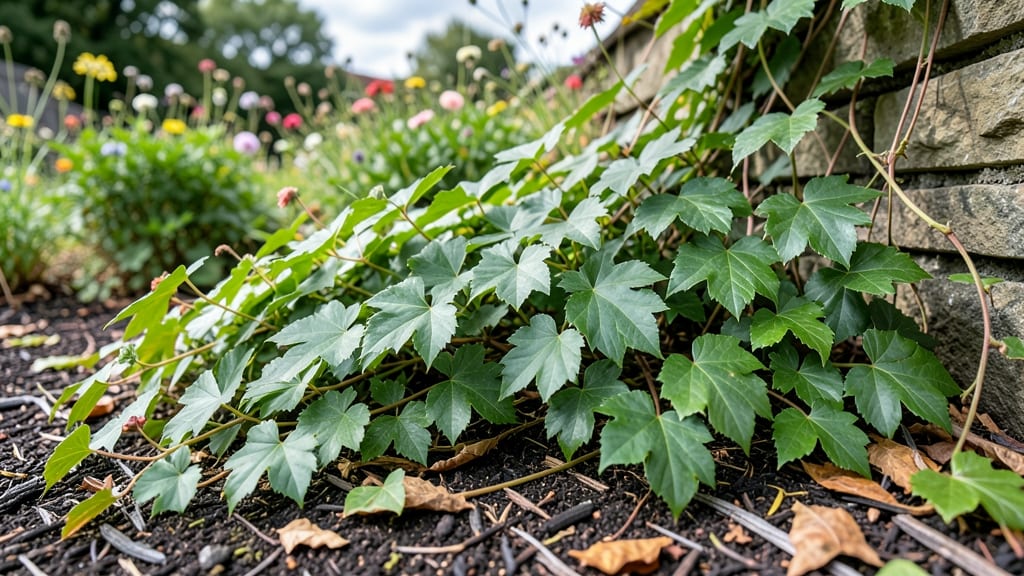
Managing Virginia creeper 🍃 in your lawn can turn a lush green space into a tangled mess if you don’t act fast.
Picture this: you’ve spent hours mowing, aerating, and fertilizing, only to watch those stubborn vines creep back in, smothering your grass and stealing nutrients. The good news? With the right techniques, you can remove Virginia creeper without damaging your lawn—and even restore it to a healthier state.
This guide covers everything from manual removal to chemical control, plus long-term strategies to keep your yard weed-free. Whether you’re dealing with a small patch or a full-blown invasion, these methods will help you reclaim your lawn for good.
Ready to say goodbye to Virginia creeper? Let’s dive into the most effective ways to tackle it head-on and revive your grass.
How to identify and assess Virginia creeper in your lawn
Virginia creeper (Parthenocissus quinquefolia) is a fast-growing vine that can quickly take over your lawn if you don’t recognize it early. Its five-lobed leaves resemble a thumb print, but without the thumb—this unique shape helps distinguish it from other plants.
Many homeowners mistake it for poison ivy or ground ivy, but knowing the differences is key to protecting your grass.
This aggressive vine spreads through aerial tendrils and underground runners, smothering grass and stealing nutrients. Its red fall foliage might look pretty, but it’s a sign your lawn is under siege.
Left unchecked, Virginia creeper can reduce grass density by up to 70%, leaving bare patches that invite weeds and erosion.
Before you reach for a weed killer, confirm it’s Virginia creeper by checking its stem structure and root system. Unlike many weeds, Virginia creeper has woody stems that cling to surfaces, and its roots can spread 10 feet or more from the original plant.
This makes it harder to remove than annual weeds like dandelions.
Here’s how Virginia creeper compares to common lawn weeds—so you can spot it fast and act before it spreads:
The five-lobed leaves of Virginia creeper are its most distinctive feature, but its climbing habit and aggressive root system make it a lawn menace. Unlike ground ivy or clover, it doesn’t just spread—it dominates, blocking sunlight and suffocating grass roots.
Even a single plant can produce thousands of seeds annually, ensuring its return if not fully removed.
Look for reddish stems and suction cup-like tendrils that cling to grass blades or nearby structures. These tendrils can pull the vine 30 feet or more in a single season, making it nearly impossible to control without intervention.
If you spot these signs, act quickly—Virginia creeper doubles its coverage every 3–5 years if left unchecked.
Assessing its spread involves checking for new shoots beyond the main plant. Dig gently around the base to expose underground runners, which can be 1–2 inches thick in mature plants.
These runners are the reason Virginia creeper is so hard to eradicate—even small fragments left in the soil can regrow into full vines within weeks.
One of the biggest mistakes homeowners make is misidentifying Virginia creeper as harmless ground cover. While it may look decorative with its fall foliage, its impact on lawn health is severe.
It competes for water and nutrients, weakens grass roots, and creates bare patches where weeds thrive. Over time, this can turn your lush lawn into a patchy, weed-infested area.
To confirm it’s Virginia creeper, crush a leaf between your fingers—it releases a mild grape-like scent, unlike poison ivy’s oily residue. This simple test can save you from unnecessary herbicide use on the wrong plant.
Once confirmed, prioritize removal before the vine establishes a dense root network, which makes elimination much harder.
Start by mapping the entire spread of the vine, including hidden runners. Use a garden hose to trace the vine’s path along fences, trees, or sidewalks—this reveals
Step-by-step Virginia creeper removal methods for lawns
Virginia creeper can spread rapidly, smothering your lawn and leaving behind bare patches. The key to effective removal is choosing the right method based on your lawn’s size, the extent of the infestation, and your preference for chemical or organic solutions.
Whether you opt for manual removal or targeted herbicides, timing and technique are everything to prevent regrowth and restore your grass.
Before starting, gather your tools: gardening gloves, a shovel or digging fork, a pruning saw for thick vines, and a broadleaf herbicide (if using chemical methods). Safety is critical—wear protective gear, especially when handling herbicides, and avoid applying treatments on windy days to prevent drift onto desirable plants.
Virginia Creeper Removal Step-by-Step
- 1 Timing: Remove Virginia creeper in early spring or fall when soil is moist but not waterlogged. Avoid peak summer heat, which stresses plants and makes removal harder.
- 2 Manual Pulling: Dig up roots with a shovel or fork, targeting the rhizomes beneath the soil. Pull vines in all directions to avoid missing root fragments that can sprout new plants. Dispose of debris in sealed bags.
- 3 Herbicide Spot Treatment: Apply a glyphosate-based herbicide directly to cut vines (use a paintbrush or spray wand for precision). Reapply every 7–10 days for 3 cycles to kill remaining roots. Avoid overspray on grass.
- 4 Organic Options: For small areas, use a vinegar-salt mix (1 gallon vinegar + 1 cup salt + 1 oz dish soap) sprayed directly on leaves. Repeat weekly until vines die. For smothering, cover infested areas with cardboard or thick mulch for 6+ weeks.
- 5 Post-Removal Care: Rake away dead vines and loosen soil to aerate the lawn. Overseed bare spots with grass seed and apply a pre-emergent herbicide in early spring to block new Virginia creeper sprouts.
If you choose herbicides, opt for selective broadleaf killers like 2,4-D or triclopyr, which target vines while sparing grass. Always follow label instructions for dilution rates and safety intervals before mowing or reseeding.
For organic methods, vinegar solutions work fastest in hot, sunny conditions, as the heat enhances absorption.
Monitor your lawn for new shoots for up to a year, as buried rhizomes can resprout. If regrowth appears, repeat the removal method or consider a systemic herbicide like triclopyr for deeper root control. Patience and persistence are key—your lawn will thank you with a thick, weed-free carpet of grass.
🌱