
Lawn
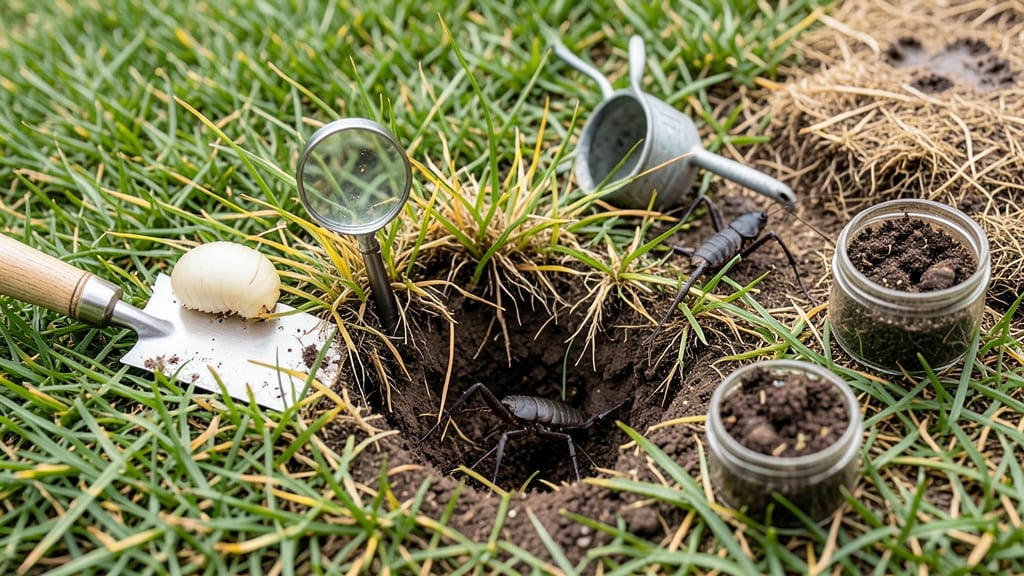
Your lawn’s mysterious holes aren’t just unsightly—they’re a secret message from underground. 🌱 Whether it’s grubs munching roots, moles tunneling, or soil compacting after heavy foot traffic, each cause leaves a different clue in the grass.
I’ve spent years patching my own patchy yard, and the first step is figuring out who (or what) the real culprit is.
The size and shape of the holes tell the story: quarter-sized craters with no dirt around them? That’s moles. Small, scattered dimples with chewed grass blades? Grubs. Uneven, sunken patches with no clear edges?
Soil compaction from foot traffic or heavy equipment. Even voles and chinch bugs leave their own calling cards—if you know what to look for.
Once you identify the problem, fixing it is straightforward. Grubs? A single application of milky spore or nematodes can end their reign. Moles? Castor oil granules or exclusion fencing works like a charm.
Compacted soil? Core aeration in the fall restores roots’ breathing room. The key is acting fast—before the holes turn into a full-blown lawn puzzle.
This isn’t just about filling holes—it’s about stopping the next wave. I’ll walk you through preventive moves like overseeding with grubs-resistant grass, setting up mole traps strategically, and keeping soil fluffy year-round. Let’s get your lawn back to lush, not lumpy.
Root Causes Of Lawn Holes
If your lawn looks like a Swiss cheese board, don’t panic—there’s usually a logical (and fixable!) reason behind those pesky holes. Understanding why they appear is the first step to restoring your grass to its lush glory. Let’s dig into the most common culprits and the science behind them.
Grubs—larvae of beetles like Japanese beetles, June bugs, or European chafer—are the #1 culprit for sudden lawn holes. These C-shaped, white larvae feast on grass roots, weakening the turf until it pulls up easily, leaving behind perfect circles of missing grass. Why does this happen?
- Life Cycle Attack: Female beetles lay eggs in late summer, which hatch into grubs in early fall. They overwinter in the soil, then pupate in spring—peaking in damage when they’re most active (late summer to early fall).
- Root Destruction: Grubs sever roots, causing patches to dry out or pull up like carpet. Walk on infested areas, and you’ll often hear a thud as the turf lifts.
- Soil Conditions: Warm, moist soil (60–80°F) and organic-rich topsoil create the perfect grub buffet. Overwatering or compacted soil can also attract them.
Pro Tip: 🔥 Look for grubs by flipping over a patch of turf—if you see 5+ grubs per square foot, you’ve got an infestation. Time your treatment for late summer to catch them before they pupate.
While grubs eat roots, moles and voles physically dig holes in your lawn, creating tunnels or surface mounds. Their damage is more chaotic than grubs’ neat circles, but the results are just as frustrating.
#### 🦷 Moles: The Soil Aerators (Gone Wrong)- Diet of Worms: Moles are insectivores—they love grubs, beetle larvae, and earthworms. If your lawn has a grub problem, moles may move in for the buffet, creating shallow tunnels (1–2 inches deep) that collapse into holes.
- Mound Signs: Their signature volcano-shaped mounds (freshly dug soil) appear overnight. Unlike gopher mounds, mole hills are loose and crumbly, not packed.
- Seasonal Activity: Moles are most active in spring and fall when grubs are plentiful. Dry spells force them to surface, increasing visible damage.
- Herbivore Havoc: Unlike moles, voles eat plants, including grass roots and bulbs. Their tunnels are deeper (4–6 inches) and often lined with chewed vegetation.
- Surface Clues: Look for irregular holes, gnawed plant stems, or burrow entrances near fences, woodpiles, or dense ground cover.
- Winter Warriors: Voles are active year-round but thrive in winter when moles hibernate. Their damage peaks in cold, snowy months.
Pro Tip: 🌡️ Set out apple peels or peanut butter on a stick near holes—moles and voles are curious and will investigate, helping you confirm who’s to blame.
Not all lawn holes come from critters or grubs—soil compaction can turn your yard into a sponge with weak spots that erode or pull away. Compacted soil reduces oxygen and water flow to roots, making grass vulnerable to disease, drought, or even physical collapse.
- How It Happens:
- Heavy foot traffic (kids, pets, or frequent mowing).
- Construction equipment or vehicles driving over the lawn.
- Clay-heavy or poorly drained soil that stays soggy.
- Visual Red Flags:
- Grass grows unevenly (thin in compacted areas).
- Water pools or runs off instead of soaking in.
- Soil feels hard as a brick when pressed (test with your thumb—if it doesn’t dent, it’s compacted).
- Root Strangulation: Compacted soil squeezes roots, reducing their ability to absorb nutrients. Over time, patches thin out, and rain or play can wash away the weakened turf.
Pro Tip: ✨ Perform the "penetration test": Stick a screwdriver into the soil—if it goes in <1 inch, your lawn needs aeration. Fall is the best time to aerate compacted soil before winter rains.
Mother Nature isn’t always kind to lawns. Extreme weather or poor growing conditions can create holes through disease, drought, or physical damage.
- Drought Stress: Prolonged dry spells cause grass to wilt and die in patches. When rain finally returns, the dead grass pulls up, leaving holes. Cool-season grasses (like Kentucky bluegrass) are especially vulnerable.
- Fungal Attacks: Wet, humid conditions (like summer downpours) can trigger fungal diseases like brown patch or dollar spot. These weaken roots, making turf easy to pull up.
- Freeze-Thaw Cycles: In winter, water in soil expands when freezing and contracts when thawing, heaving grass out of the ground. This is common in northern climates.
- Hail or Heavy Foot Traffic: A hailstorm can punch holes directly into grass, while repeated trampling (like from soccer games) compacts soil and damages roots.
Pro Tip: 🎯 Adjust your watering schedule—deep, infrequent watering (1–1.5 inches per week) strengthens roots, making grass more resilient to drought and disease.
Now that you know why those holes appeared, the next step is how to fix them—whether it’s outsmarting grubs, repelling moles, or reviving compacted soil. Stay tuned!
Fixing Lawn Holes for Good
Now that you know the culprits behind those pesky lawn holes—whether it’s grubs munching away, moles tunneling underground, or soil compaction squashing your grass—it’s time to roll up your sleeves and restore your lawn to its lush glory. 🌱 Here’s a step-by-step guide tailored to each cause, plus prevention tips to keep your yard hole-free for good.
---
Grubs are the sneaky underground pests that turn your lawn into a Swiss cheese buffet. To tackle them:
#### 🔥 Step 1: Identify the Infestation Before treating, confirm grubs are the problem. Dig up a small section of lawn (about 2x2 inches) and check for: - White, C-shaped larvae (grubs) - Birds or raccoons digging up your lawn (a sure sign of a grub feast!)
#### 🍳 Step 2: Apply Grub Control - Chemical Treatments (Fast Action): Use imidacloprid or chlorantraniliprole (look for brands like Merit or Scotts GrubEx).
Follow label instructions for application timing (usually early summer or fall). - Natural Remedies (Slower but Safe): - Nematodes: Beneficial microscopic worms (Heterorhabditis bacteriophora) that kill grubs naturally. Apply during warm, moist soil conditions. - Milky Spore: A bacteria (Bacillus popilliae) that thrives in grub-heavy lawns.
Takes 1-2 years to build up but provides long-term control. - Neem Oil: Spray on leaves to deter beetles (grubs’ parents) from laying eggs.
#### 👨🍳 Step 3: Fill and Seed the Holes 1. Rake out damaged grass and loosen the soil. 2. Add compost or topsoil (1-2 inches) to improve drainage.
3. Sow new grass seed (choose a shade-tolerant mix if your lawn is shady). 4. Water lightly daily until new grass sprouts (about 2-3 weeks).
#### 💡 Prevention Tips: - Aerate annually to reduce thatch buildup, which grubs love. - Mow high (3-4 inches) to discourage beetles from laying eggs. - Encourage predators: Birds, toads, and moles naturally control grub populations.
---
Moles create tunnels that collapse into holes, leaving your lawn looking like a minefield. Here’s how to evict them:
#### 🔪 Step 1: Humane Trapping - Scissor-Jaw Traps: Place traps along active tunnels (not random holes). Bait with grubs, worms, or peanut butter. Check traps daily to avoid harming pets. - Castor Oil Repellents: Spray tunnels with castor oil-based repellents (like Talpirid).
Moles dislike the taste and smell. - Ultrasonic Devices: Solar-powered emitters can deter moles, though results vary.
#### 🏗️ Step 2: Fill and Resurface 1. Mark active tunnels with flags or stakes to avoid future damage. 2. Fill holes with a mix of topsoil and sand (for drainage). 3. Rake smooth and reseed bare spots as described above.
#### 🌡️ Prevention Tips: - Remove grubs (their favorite snack) to make your lawn less appealing. - Keep grass tall to discourage moles from digging. - Install mole-proof fencing (18-24 inches deep) around high-risk areas.
---
Compacted soil suffocates grass roots, leading to thin patches and holes. Here’s how to breathe new life into it:
#### ⏰ Step 1: Aerate Your Lawn - Rent a core aerator (best for severe compaction) or use a spike aerator (cheaper but less effective). - Best time: Early fall or spring when soil is moist but not soggy. - Frequency: Once a year for high-traffic areas, every 2-3 years for low-traffic lawns.
#### 🌱 Step 2: Overseed and Top-Dress 1. Spread compost or sand (½ inch) over the aerated lawn. 2. Sow grass seed (choose a mix suited to your climate). 3. Lightly rake to ensure seed-soil contact. 4. Water deeply 2-3 times a week until germination (about 3 weeks).
#### 🎯 Prevention Tips: - Avoid walking on wet lawns to prevent further compaction. - Use a lawn roller sparingly—it can make compaction worse! - Add organic matter (like compost) annually to improve soil structure.
--- If you need a fast solution while treating the root cause: - Patch bare spots with sod (for instant grass) or grass plugs (cheaper and eco-friendly). - Use a lawn repair mix (like Scotts Lawn Repair) to fill holes and promote growth. - Mulch with straw to protect new seed from birds and erosion.
--- With these targeted fixes, your lawn will be on the fast track to recovery. Stay consistent with prevention, and those holes will become a distant memory! 🌿✨
Frequently asked questions
How can I tell if moles or grubs are causing my lawn holes?
Check the hole size and surrounding clues: mole holes appear as volcano-shaped mounds of loose, crumbly soil (1-2 inches deep) with no grass damage around them. Grub damage shows as thin, patchy areas that pull up easily when walked on, often with birds digging nearby. Flip over a suspect patch—if you see white, C-shaped larvae, it’s grubs!
Why do my lawn holes keep coming back after I fill them?
If holes persist, you’re likely treating the symptom (filling) but not the cause. Grubs or moles need targeted control, while soil compaction requires aeration. Without addressing the root issue, new holes will form. Test your soil first—if it’s hard as a brick when pressed, compaction is the culprit. For grubs/moles, apply treatment before filling holes.
Is it safe to use chemical treatments around pets and kids?
Most grub treatments (like imidacloprid) are toxic if ingested, so keep pets/kids off treated lawns for 24-48 hours. Opt for natural alternatives like nematodes or milky spore if you have young children or pets that roam freely. Always follow product labels for safety precautions.
How long does it take for grass seed to grow in repaired holes?
New grass typically sprouts in 7-14 days under ideal conditions (warm soil, consistent moisture). For cool-season grasses (like Kentucky bluegrass), germination takes 10-21 days. Water lightly daily (not flooding) until blades reach 2-3 inches. Use straw mulch to retain moisture and protect seedlings from birds.
Can I prevent lawn holes without using pesticides?
Start with cultural controls: aerate annually to deter grubs, mow high (3-4 inches) to discourage beetles, and encourage natural predators like birds and toads. For moles, castor oil repellents work well. Overseed with grub-resistant grasses like tall fescue, and maintain healthy soil with compost to strengthen roots against pests.