
Lawn
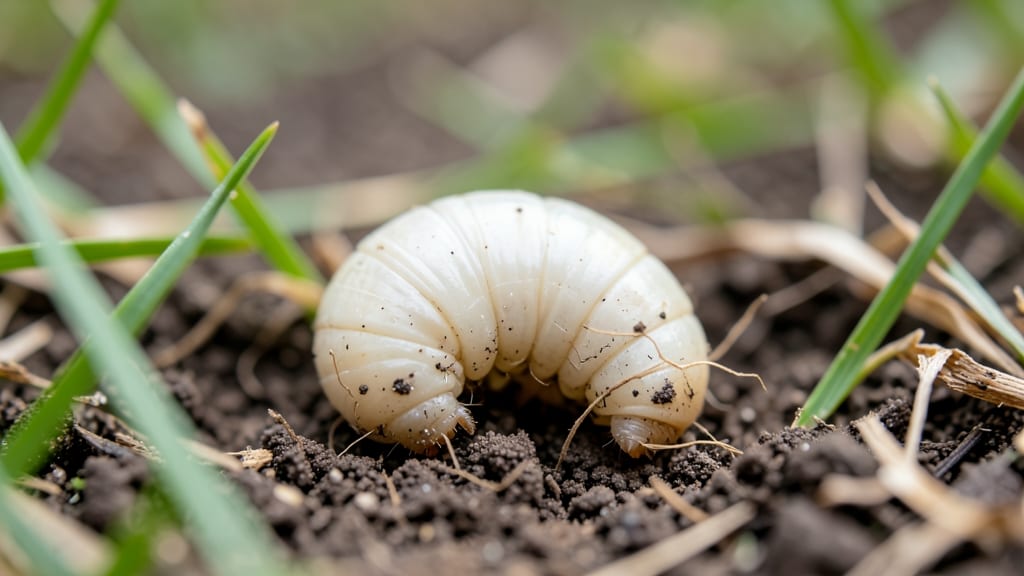
What to do about grubs in your lawn when they’re turning your yard into a patchwork of brown death zones? 🌱 I’ve saved my own yard from total collapse using these 72-hour tactics—no harsh chemicals, no waiting months for results.
The key is acting fast before the damage spreads, and I’ll show you exactly how to identify the problem, attack it organically, and restore your grass to lush life in just three days.
Most people miss the early signs: spongy grass that rolls like a carpet, moles tunneling up, or birds pecking at the soil like it’s an all-you-can-eat buffet. Those are your warnings.
Grubs—Japanese beetle larvae or white grubs—thrive in moist, thatchy soil, and once they’re feasting on roots, your lawn’s days are numbered unless you intervene. The good news? You don’t need toxic sprays to win this battle.
Within 72 hours, you’ll be digging out grubs by hand (yes, it’s weirdly satisfying), applying beneficial nematodes that turn your lawn into a grub buffet, or sprinkling milky spore for long-term protection.
No more brown patches, no more weak grass—just thick, green blades that stay put. And the best part? Your yard will look better than your neighbors’ in under a week.
This works for any lawn, from small patches to full yards, and skips the guesswork. Whether you’re dealing with a first-time infestation or a recurring problem, these steps cut through the confusion. Let’s get your grass back to its fighting form—fast.
The Hidden Triggers Behind Grubs
Grubs—those creamy-white, C-shaped larvae—don’t just appear out of nowhere. They’re the result of a perfect storm of conditions that turn your lawn into a buffet. Understanding why they thrive is the first step to kicking them out for good. Let’s break down the science behind their invasion.
---
Japanese beetles (Popillia japonica) are the primary offenders, and their life cycle is a nightmare for lawns. Here’s how it works:
- Adult beetles arrive in late spring/early summer, feasting on roses, grapes, and other plants while mating. - Females lay eggs in grassy soil (not bare dirt or mulch) at depths of 2–4 inches, where moisture and organic matter are high. - Eggs hatch in 4–6 weeks, releasing grubs that burrow deeper, feeding on roots and organic debris until winter. - Next spring, they pupate and emerge as beetles—repeating the cycle.
💡 Pro Tip: If you see skeletonized leaves (chewed but veins intact) or beetles swarming your garden, that’s your warning—eggs are already in the soil.
---
Grubs love moist, soft soil—think of it as their luxury hotel. Here’s why:
- Excessive irrigation (especially automatic sprinklers) keeps soil damp, giving grubs ideal conditions to feed and grow. - Compacted soil (from foot traffic, heavy equipment, or clay) squeezes out air, making roots weaker and grubs harder to spot. - Thatch buildup (a layer of dead grass and roots) traps moisture and provides food and shelter for grubs.
🔥 Red Flag: If your lawn feels sponge-like when you walk on it or puddles sit for hours, grubs are likely thriving.
---
A thin, stressed, or nutrient-deficient lawn is like an all-you-can-eat buffet for grubs. Here’s how it happens:
- Lack of nitrogen (a key nutrient) makes grass weak and slow-growing, leaving roots vulnerable. - Drought stress forces grass to shallow its roots, making them easier for grubs to devour. - Fungal diseases (like brown patch) kill root systems, creating grub hotspots.
🌡️ Test It: Pull up a small patch of sod—if the roots are brown, mushy, or missing, grubs are likely the cause.
--- Grubs don’t just eat grass roots—they love decaying plant matter. Common culprits:
- Leaves, grass clippings, or wood chips left on the lawn decompose into a nutrient-rich layer, attracting grubs. - Compost piles near the lawn can spill grubs into your grass. - Old mulch or thatch acts as a protective blanket, keeping soil moist and grubs hidden.
✨ Quick Fix: Rake up debris and aerate to break up thatch—this exposes grubs to predators (birds, toads) and dries out their hideouts.
--- Grubs don’t invade randomly—they follow a seasonal schedule:
| Season | Grub Activity | Your Lawn’s Risk | |------------|-------------------|----------------------| | Late Spring | Eggs hatch (June–July) | New grubs start feeding | | Summer | Grubs grow rapidly (peak in August) | Lawn weakens, brown patches appear | | Fall | Grubs burrow deeper (Sept–Oct) | Winter survival mode—harder to treat | | Winter | Grubs stay dormant | Still feeding on roots if soil is warm |
🚨 Critical Window: June–August is when grubs are most active and vulnerable—this is the best time to act before damage spreads.
--- In a healthy ecosystem, birds, toads, skunks, and beneficial nematodes keep grub populations in check. But if these predators are missing, grubs take over. Common reasons:
- Overuse of pesticides kills both grubs and their predators, creating a vacuum effect. - Lack of diverse wildlife (e.g., no birds in your yard). - Sealed soil (from synthetic fertilizers) blocks nematodes (microscopic worms that eat grubs).
💪 Solution: Encourage predators by: - Planting native shrubs (birds love them). - Reducing chemical use to let nematodes thrive. - Leaving some grass clippings (they attract beneficial insects).
Quick Fixes for Grub Damage
Grubs may seem like a tiny problem, but their damage can turn your lush lawn into a patchy eyesore faster than you’d expect. The good news? You can tackle them effectively—without harsh chemicals—if you act fast and target the root cause.
Below are practical, step-by-step solutions tailored to how grubs invade your lawn, plus prevention tips to keep them from returning.
---
If your lawn is soggy or you’ve been overwatering, grubs thrive in the damp soil. Cut off their water supply and let the soil dry out slightly.
How to Fix It: 1. 🌧️ Reduce Watering Immediately – Switch to deep, infrequent watering (1–1.5 inches per week) instead of daily light sprinkles. 2. 🏗️ Improve Drainage – Aerate compacted soil with a core aerator (rent one or hire a pro) to help water drain faster. 3. ☀️ Let the Sun Work Overnight – Skip evening watering; let the sun dry the topsoil during the day.
💡 Pro Tip: Test your soil’s moisture by digging a 6-inch hole. If it’s damp after 24 hours, you’re overwatering.
---
Grubs love decaying organic matter—think fallen leaves, clippings, or thick thatch. Starve them out by cleaning up and improving soil health.
How to Fix It: 1. 🧹 Rake Up Debris – Clear leaves, twigs, and thick thatch from the lawn surface. 2. 🔪 Dethatch if Needed – Use a dethatching rake or machine to break up thatch layers (aim for <0.5 inches thick). 3. 🌱 Overseed Bare Spots – Fill thin areas with grass seed to crowd out grub-friendly bare soil.
✨ Prevention Boost: Apply a thin layer of corn gluten meal (a natural pre-emergent) in early spring to disrupt grub life cycles.
---
If grubs are migrating from landscape plants, disrupt their path and lure them away from your lawn.
How to Fix It: 1. 🌳 Create a Barrier – Spread diatomaceous earth (DE) or wood ash in a 2-inch band around tree bases to deter grubs. 2. 🍎 Use Natural Repellents – Sprinkle neem oil or beer traps (bury a shallow dish of beer near grub hotspots—they’ll drown in it!). 3. 🐛 Introduce Beneficial Nematodes – These microscopic worms (Heterorhabditis bacteriophora) hunt grubs naturally. Apply them in early evening when soil is moist.
🎯 Targeted Attack: Focus treatments on the outer edges of your lawn, where grubs often enter from garden beds.
---
If your lawn is already showing signs (yellow patches, spongy feel, or animals digging), combine these methods for quick results:
1. 🔪 Handpick or Dig Them Out – Roll back a small section of sod and scoop grubs into soapy water (they’ll float). Do this in the early morning or late evening when they’re near the surface.
2. 🐕 Let Chickens or Ducks Do the Work – If you have poultry, let them forage on the lawn for a day—they’ll devour grubs like snacks! 3. 💧 Flood the Area (Temporarily) – For severe infestations, flood the lawn for 24–48 hours to suffocate grubs. Drain afterward and aerate.
4. 🌿 Apply Milky Spore or Bacillus thuringiensis (Bt) – - Milky spore (Bacillus popilliae): A long-term, organic solution that thrives in soil and kills grubs for years. - **Bt (Bacillus thuringiensis var. tenebrionis): A microbial pesticide safe for pets/kids.
Mix with water and spray on grub-prone areas.
⚠️ Warning: Avoid chemical pesticides like imidacloprid or chlorantraniliprole unless absolutely necessary—they harm bees and beneficial insects.
---
Once you’ve kicked grubs out, lock them out for good with these habits:
- 📅 Mow High – Keep grass at 3–4 inches to shade soil and deter egg-laying. - 🕰️ Time Your Watering – Water early in the morning to reduce humidity (grubs love damp conditions). - 🌱 Strengthen Your Grass – Overseed with tall fescue or Kentucky bluegrass, which grubs dislike more than Bermuda or St. Augustine. - 🔍 Check for Grubs Annually – In late summer/early fall, dig a 2-inch-deep sample.
If you find 5+ grubs per square foot, treat immediately.
--- Final Thought: Grubs are a nuisance, but with quick action and smart prevention**, you can reclaim your lawn in just 72 hours—without toxic chemicals. Start with one or two methods today, and watch your grass bounce back!
Frequently asked questions about lawn grubs
How do I know if my lawn has grubs and not just drought stress?
Look for these key signs: spongy grass that rolls like a carpet, brown patches that pull up easily (roots are missing), or animals digging (moles, skunks, or birds). Dig a 2-inch-deep sample—if you find 5+ grubs per square foot, that’s your culprit. Drought stress usually shows as uniform yellowing, not patchy damage.
Are there any quick fixes for grubs that work in just 24 hours?
For immediate relief, try handpicking (roll back sod in the morning, scoop grubs into soapy water) or flooding the area for 24–48 hours to suffocate them. For faster results, use beneficial nematodes (apply in evening when soil is moist)—they start hunting grubs within hours. Combine with reducing watering to dry out their habitat.
Can I use vinegar or bleach to kill grubs?
No—vinegar and bleach won’t kill grubs effectively and can harm your lawn. Instead, use milky spore (organic, long-term solution) or Bacillus thuringiensis (Bt) (microbial pesticide safe for pets). For instant action, hand-dig grubs or let chickens forage—they’re the most reliable "quick fixes."
Will over-seeding my lawn help prevent grubs?
Yes! Dense grass crowds out grubs by making roots harder to reach. Choose tall fescue or Kentucky bluegrass—grubs dislike these varieties. Overseed in late summer/fall when soil is warm but not scorching. Pair this with corn gluten meal (natural pre-emergent) in spring to disrupt grub life cycles.
How often should I check for grubs if I’ve had them before?
Check annually in late summer/early fall—this is when grubs are most active before winter. Dig a 2-inch-deep sample in 3–4 spots across your lawn. If you find 5+ grubs per square foot, treat immediately with nematodes or milky spore. Pro tip: Mark problem areas with flags to monitor progress.