
Lawn
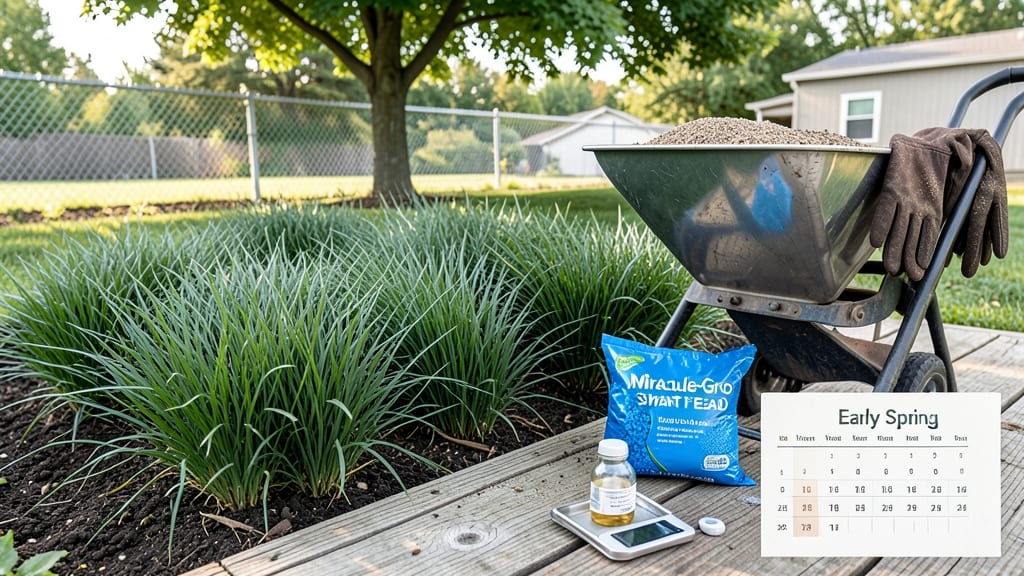
When to fertilize your lawn depends on climate and grass type: cool-season grasses need feeding in early spring (March–April), late spring (May–June), and fall (September–October), while warm-season grasses respond best to late spring (May–June) and summer (July–August) applications. Local frost dates and grass growth patterns determine the exact timing.
Timing matters because grass types grow at different rates depending on temperature.
Cool-season grasses like Kentucky bluegrass and fescue wake up in spring and grow rapidly until frost, while warm-season grasses like Bermuda and Zoysia stay dormant in winter and need summer feeding. Your local USDA hardiness zone helps narrow it down—northern regions should fertilize earlier in spring, while southern areas can wait until after the last frost.
I always check my local extension service for exact frost dates, as they're the best guide for adjusting schedules.
For example, in Zone 5 or 6, early spring fertilization (March–April) jumpstarts growth after winter dormancy, while a fall application (September–October) strengthens roots before cold weather.
In Zone 8 or 9, warm-season grasses like St. Augustine need their first feeding in late spring (May–June) after the ground warms, followed by a summer boost in July–August to handle heat stress. Pro tip: Water deeply before and after applying fertilizer to help nutrients penetrate the soil.
💡 In This Article
- Fertilizing Timing Based on Grass Type and Climate Zones
- Step-by-Step Lawn Fertilization Schedule by Region
Fertilizing timing based on grass type and climate Zones
Grass growth patterns are fundamentally different between cool-season and warm-season varieties. Cool-season grasses like Kentucky bluegrass and tall fescue enter active growth as soil temperatures rise above 50°F in spring, which is why early spring fertilization (March–April) is critical.
These grasses grow best when daytime temperatures are between 60-75°F, making late spring (May–June) another prime window. The fall application (September–October) strengthens root systems before winter dormancy, as roots continue growing until soil temps drop below 50°F. 🔥
Warm-season grasses, such as Bermuda and Zoysia, behave oppositely—they stay dormant until soil temperatures reach 65°F or higher, typically in late spring. Their peak growth occurs when temperatures are between 80-95°F, which is why summer fertilization (July–August) supports their heat tolerance.
The key difference lies in their dormancy cycles: cool-season grasses slow down in summer heat, while warm-season grasses shut down in winter cold. This is why your USDA hardiness zone matters—Zone 5 lawns need spring and fall feedings, while Zone 9 lawns focus on late spring and summer.
Frost dates are your best friend for timing adjustments. In northern climates (Zones 3-6), fertilize cool-season grasses 4-6 weeks after the last frost to avoid burning tender new growth. Southern climates (Zones 7-10) can wait until 2-3 weeks after the last frost for warm-season grasses.
For example, in Zone 4, March fertilization helps grass recover from winter stress, while in Zone 8, May fertilization aligns with Bermuda grass's emergence. The rule of thumb: apply fertilizer when grass shows 30-50% green coverage and is actively growing.
Climate also affects nutrient uptake. Cool-season grasses in northern regions benefit from slow-release fertilizers in fall to prevent winter leaching, while southern warm-season grasses need quick-release nitrogen in summer to handle rapid growth demands.
The soil's moisture content plays a role too—dry conditions reduce nutrient absorption, so always water 1 inch before and after applying fertilizer. This ensures nutrients reach the root zone rather than sitting on the surface.
Here's what happens if you fertilize at the wrong time: applying nitrogen when grass is dormant (warm-season in winter or cool-season in summer) wastes money and can damage roots. Conversely, fertilizing too early in spring (before soil warms) delays growth.
The optimal timing aligns with grass's natural growth cycles—cool-season grasses need feeding when they're "hungry" after winter, while warm-season grasses need support during their active summer phase. 💫
For transitional zones (Zones 6-7), where both grass types may exist, split your schedule: fertilize cool-season grasses in early spring and fall, while warm-season areas get late spring and summer feedings. This dual approach prevents over-fertilizing one grass type while neglecting the other.
Always test your soil first—pH levels below 6.0 or above 7.5 reduce nutrient effectiveness, so adjust lime or sulfur accordingly.