
Fertilization
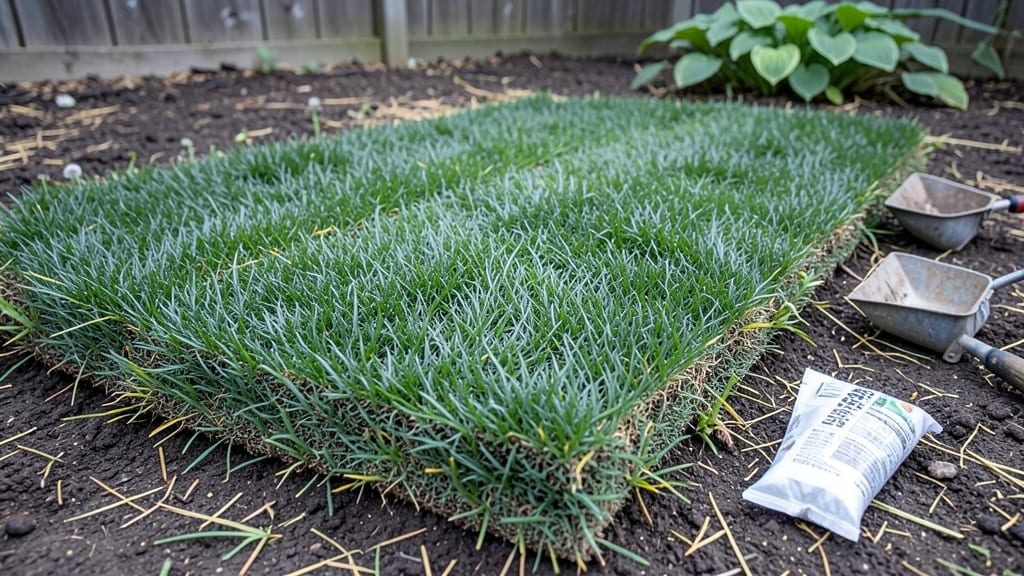
To fertilize new sod, wait 4-6 weeks after installation to let roots take hold, then use a slow-release, low-nitrogen fertilizer (like 10-10-10) in early spring or fall for steady growth without scorching delicate grass.
Timing matters because new sod prioritizes root development over nutrient uptake—think of it like a baby plant that needs stability before heavy feeding. 🌱 During those first weeks, the grass focuses on spreading rhizomes (underground stems) and anchoring itself in the soil.
Applying fertilizer too soon can overwhelm the system, leading to nutrient burn or stunted growth. I’ve seen homeowners rush this step and end up with patchy, weak sod that struggles to recover.
Once roots are established, the right fertilizer makes all the difference. A balanced 10-10-10 formula provides nitrogen for leaf growth, phosphorus for root strength, and potassium for disease resistance—without overwhelming the tender grass.
Spring and fall are ideal because cooler temperatures help the sod absorb nutrients efficiently, while summer’s heat can stress newly fertilized grass.
💡 In This Article
- How Root Establishment Affects Fertilizer Timing
- Best Fertilizer Types and Application Tips for New Sod
How root establishment affects fertilizer timing
New sod doesn't just sit there—it's actively growing roots at a remarkable pace. Within the first 2-3 weeks after installation, grass begins developing rhizomes (horizontal underground stems) and root hairs that seek moisture and nutrients in the soil.
These roots grow at about 1-2 inches per week under ideal conditions, but they need stability first. Think of it like a newborn: it can't handle heavy meals until its digestive system matures.
Premature fertilization forces the sod to focus on nutrient absorption instead of root expansion, creating an imbalance that weakens the plant's foundation. 🌱
The key biological process here is called "osmotic adjustment," where young roots regulate water and nutrient uptake to survive stress. When you add fertilizer too soon, the high salt concentration from dissolved nutrients draws water out of the root cells through osmosis, causing dehydration and potential cell death.
This is why you'll often see yellowing or browning at the edges of newly fertilized sod—the roots are essentially "burning" from the inside out.
The soil's microbial activity also plays a role; beneficial bacteria and fungi need time to colonize the root zone and help break down nutrients into usable forms.
Root depth progression is a critical factor in determining when to fertilize. After 4-6 weeks, most sod varieties will have established roots reaching 3-4 inches deep, which is deep enough to access moisture and nutrients without relying solely on surface applications.
At this stage, the grass can handle fertilizer because its root system can process and distribute nutrients efficiently. Compare this to a shallow-rooted plant like lettuce, which would wilt under the same fertilizer load—sod's deeper roots act like a sponge, absorbing and storing nutrients gradually.
This is why waiting pays off: stronger roots mean thicker, more resilient grass blades over time. ✨
Seasonal timing ties directly to root activity rates. In spring, soil temperatures between 50-65°F trigger rapid rhizome growth, making it an ideal window for first fertilization. Fall offers similar benefits as temperatures drop, reducing stress on the plant.
Summer applications, however, risk nutrient burn because heat accelerates evaporation, concentrating salts in the root zone. Even with proper timing, always use slow-release fertilizers—they mimic natural nutrient availability, preventing sudden spikes that could overwhelm developing roots.
The goal is harmony: roots growing at their own pace while receiving just enough support to thrive.
Here's what happens if you skip the waiting period: the fertilizer's nitrogen converts to ammonia in the soil, which can raise the pH locally and lock out other essential nutrients like phosphorus.
This creates a "nutrient lockout" where the sod can't access the full fertilizer package, even though you applied it. The result? Patchy growth where some areas thrive and others lag behind.
I've seen this firsthand in lawns where homeowners used high-nitrogen starter fertilizers too early—the grass looked healthy at first but developed weak spots that never recovered. 💫
For visualizing this process, imagine a tree's root system. The first roots are fine and shallow, like exploratory fingers testing the soil. After 6 weeks, those fingers thicken and branch deeper, forming a network that can support the entire plant.
Fertilizer at this stage acts like mulch for the roots—providing steady nourishment without overwhelming the system. The deeper the roots go, the more resilient your lawn becomes to drought, disease, and foot traffic.
That's why this waiting period isn't just about timing—it's about building a foundation that lasts for years. 🌿