
Lawn
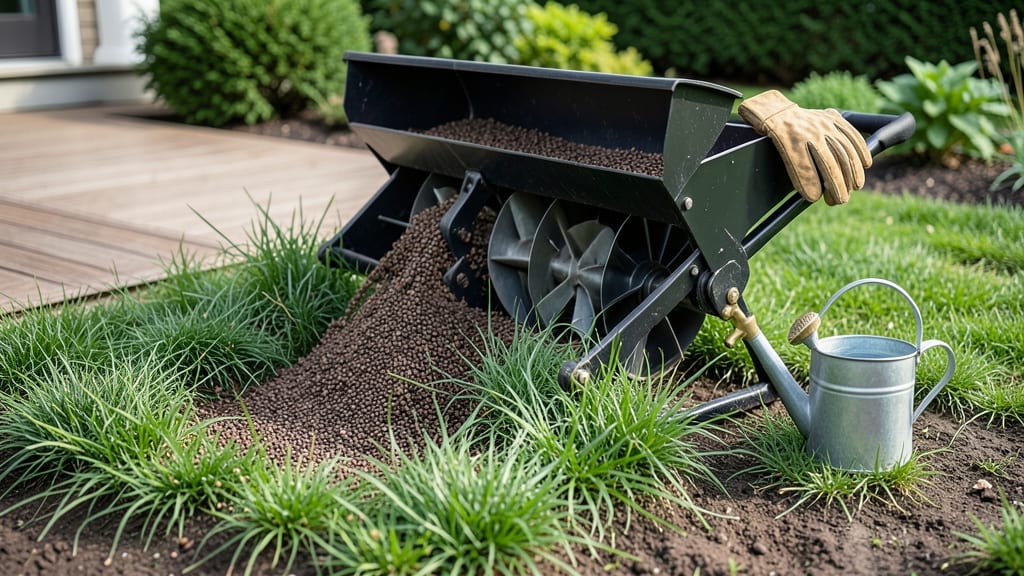
To fertilize lawns properly, time it by grass type and climate: cool-season grasses like fescue and bluegrass need feeding in early spring (March–April) and fall (September–October), while warm-season grasses such as Bermuda and Zoysia respond best to spring (May–June) and summer (July–August) applications. Always check your local frost dates to fine-tune the schedule.
Timing your lawn's nutrient boost isn't just about the calendar—it's about matching your grass's natural growth rhythm. Cool-season grasses awaken in spring and store energy for winter, so early spring and fall feedings help them prepare.
Warm-season varieties, on the other hand, peak in summer heat, making spring and summer the ideal windows for them. 🌱 I've found that adjusting for your specific USDA hardiness zone can make a huge difference—what works in Florida won't cut it in Minnesota.
For example, Northern lawns might need an extra boost in late fall to survive winter, while Southern grasses may benefit from a light summer feeding to handle heat stress.
Don't forget that soil conditions play a role too. A simple at-home soil test can reveal if your lawn needs nitrogen, phosphorus, or potassium adjustments. I always recommend testing before fertilizing—it's like giving your lawn a customized meal plan rather than a one-size-fits-all approach.
And if you're in a drought-prone area, consider watering deeply after fertilizing to help nutrients penetrate the soil without burning the grass.
💡 In This Article
- Best Fertilization Timing by Grass Type and Climate
- Step-by-Step Lawn Fertilization Schedule by Region
Best fertilization timing by grass type and climate
Grass growth cycles are driven by temperature and daylight length, which is why timing matters so much. Cool-season grasses like Kentucky bluegrass and fescue enter dormancy when temperatures drop below 50°F and grow most actively when daytime highs reach 60-75°F.
This explains why early spring (March–April) and fall (September–October) feedings align with their natural growth spurts—these periods provide the nitrogen they need to recover from winter stress and store energy for dormancy.
Warm-season grasses, such as Bermuda and Zoysia, thrive when soil temperatures exceed 60°F, which typically happens in late spring and summer. Their peak growth occurs in 75-95°F conditions, making May–June and July–August the optimal windows for fertilization.
The science behind this lies in how grass absorbs nutrients. Cool-season grasses have a higher metabolic rate in cooler temperatures, allowing them to efficiently uptake nitrogen when it's most available.
Warm-season grasses, however, slow down their nutrient absorption when temperatures drop below 55°F, which is why fall fertilization isn't effective for them. Additionally, daylight length triggers hormonal changes—cool-season grasses respond to increasing daylight in spring, while warm-season grasses react to longer daylight in summer.
This is why your USDA Hardiness Zone matters: Zones 3-5 (colder climates) may need an extra late-fall feeding to strengthen roots before winter, while Zones 7-10 (warmer climates) might benefit from a light summer feeding to combat heat stress.
What most people overlook is how soil temperature affects nutrient availability. Fertilizers like nitrogen become more soluble and accessible to grass roots when soil temperatures are between 50-70°F.
In colder regions, applying fertilizer too early in spring (when soil is still chilly) can lead to nutrient runoff rather than absorption.
Conversely, in hot climates, summer fertilizing should happen in the early morning or late evening to prevent the granules from baking into the soil before the grass can use them.
For example, in Zone 6, early spring fertilization should wait until the ground thaws and reaches 55°F, while in Zone 9, summer feedings should occur when afternoon temps drop below 90°F to avoid stressing the grass.
Another critical factor is how grass types interact with their environment. Cool-season grasses like ryegrass have a fibrous root system that benefits from slow-release fertilizers in fall, helping them develop deeper roots before winter.
Warm-season grasses, such as St. Augustine, have a more shallow root system and require quick-release nitrogen in spring to support rapid top growth. This is why a one-size-fits-all approach fails—what works for a Kentucky bluegrass lawn in Zone 5 won't work for a Bermuda grass lawn in Zone 8.
Even within the same climate zone, microclimates (like shaded vs. sunny areas) can shift ideal fertilization windows by 2-4 weeks.
Consider this real-world example: In Zone 4, where winters are harsh, a cool-season grass like tall fescue might need a late August feeding to encourage root growth before the first frost.
Meanwhile, in Zone 10, where winters are mild, a warm-season grass like centipede grass could benefit from a late July feeding to handle summer heat.
The key is observing your grass's color and growth patterns—if it's turning pale green or growing slowly, it's likely signaling a need for nutrients. 🌿
Finally, don't underestimate the role of rainfall and irrigation. Heavy rainfall can wash away fertilizer before the grass absorbs it, while drought conditions can cause fertilizer to burn the grass.
In regions with unpredictable weather, like the Pacific Northwest, it's safer to fertilize in early spring (March) and late fall (October) to avoid runoff during winter rains. In contrast, Southern states like Texas might opt for May and September feedings to align with their wetter and drier seasons.