
Fertilization
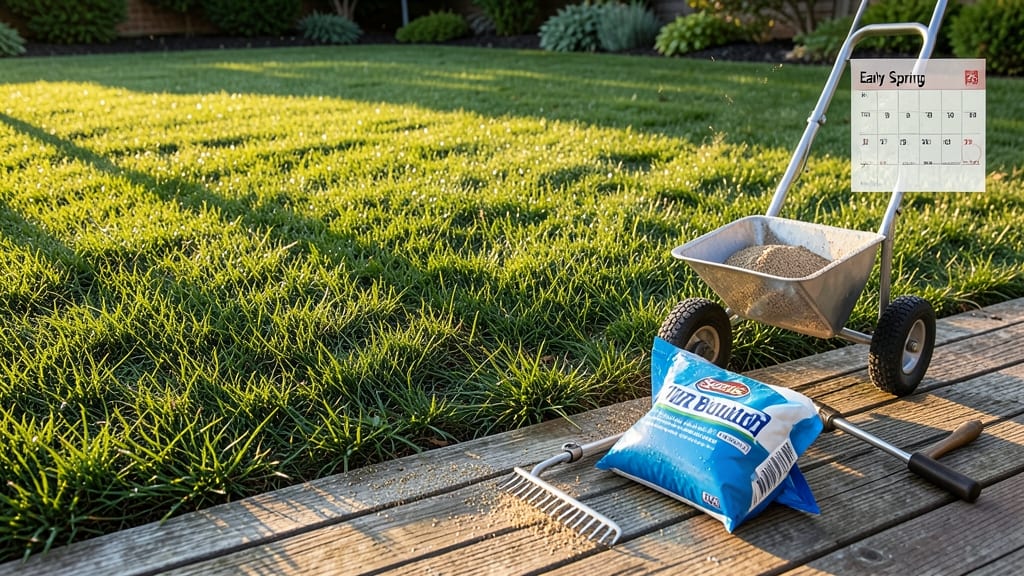
The best time to fertilize a lawn is early spring and early fall 🌱 — when your grass is actively growing but not under stress from heat or drought.
Picture this: you’ve just mowed your lawn, and it looks decent, but you know it could be thicker and greener. The difference between that "decent" and a showstopper often comes down to timing. Fertilizing at the wrong time can waste money, stress your grass, or even invite pests.
But get it right, and you’ll see stronger roots, deeper color, and a lawn that stays resilient through summer heat and winter chill.
Cool-season grasses like Kentucky bluegrass and fescue thrive with a spring feeding as soon as the soil warms to 55°F, while warm-season grasses such as Bermuda or Zoysia wait until late spring or early summer.
The key is aligning your schedule with your grass type and local climate—because what works in Zone 6 might backfire in the Deep South or Pacific Northwest.
In this guide, I’ll break down the exact windows for fertilizing by season, how to read your lawn’s signals, and the three biggest mistakes homeowners make—so you can skip the guesswork and keep your grass lush all year.
Optimal fertilization timing by season: a climate-zone breakdown
Understanding when to fertilize a lawn depends entirely on your USDA hardiness zone and whether your grass is cool-season (like Kentucky bluegrass) or warm-season (like Bermuda grass). Cool-season grasses thrive in spring and fall, while warm-season varieties peak in late spring through summer.
Skipping the right timing can leave your lawn weak, yellow, or struggling to recover from seasonal stress.
Most gardeners make the mistake of fertilizing at the wrong time of year, often when grass is dormant or under heat stress. For example, applying nitrogen-heavy fertilizer in mid-summer can burn warm-season grasses, while fertilizing cool-season grass in winter wastes nutrients since growth halts.
Let’s break down the best fertilization schedule by season and climate zone to keep your lawn lush year-round.
🌱 Comparison Table: Best Fertilization Timing by Season & Grass Type
In USDA zones 3-7, cool-season grasses like fescue and ryegrass need their first fertilizer application in early spring (March-April) when soil temperatures hit 40-50°F. This kickstarts growth after winter dormancy.
A second application in late fall (September-October) helps grass store nutrients for winter survival. Overlooking fall fertilization often leads to weak lawns that struggle to green up in spring.
For warm-season grasses in zones 8-10, the game changes. These varieties—like St. Augustine or centipede grass—thrive when soil temps exceed 60°F, so fertilization starts in late spring (May-June).
The peak feeding window is summer (June-August), but avoid heavy nitrogen in peak heat (July-August), as it can cause brown patch disease. A light fall application in September helps transition into winter dormancy.
One critical rule applies across all zones: never fertilize when grass is dormant. Winter applications waste nutrients, while summer fertilizing for cool-season grass can scorch roots. Instead, use a soil test in late winter to plan your schedule.
Most experts recommend a 4-1-1 NPK ratio for lawns, with slow-release nitrogen to prevent runoff and environmental harm.
Pro tip: Pair fertilization with proper mowing heights. Keep cool-season grass at 2.5-3.5 inches in summer to reduce stress, and warm-season grass at 1.5-2.5 inches for drought resilience.
Always mow when grass is dry to avoid clumping and disease spread. Water deeply after fertilizing to help nutrients penetrate the soil.
If you’re in a transition zone (7-8), like parts of Texas or Virginia, you’ll need a hybrid approach. Start with warm-season feeding in spring, then switch to cool-season timing by late summer.
Use a transition fertilizer with iron to help grass adapt to temperature shifts. Timing is everything—get it wrong, and you’ll end up with a patchy, weak lawn that’s prone to weeds and pests.
Finally, don’t forget about organic alternatives. Compost tea or fish emulsion can replace synthetic fertilizers in early spring, while bio-stimulants like mycorrhizal fungi improve root health. For best results, split your fertilizer
Signs your lawn needs fertilizer (and when to act)
Your lawn silently communicates its needs through subtle (and not-so-subtle) clues. Yellowing patches, slow growth, or thin spots are classic signs your grass isn't getting enough nutrients.
These visual cues often appear when soil nutrients are depleted after heavy use, seasonal changes, or poor maintenance. Cool-season grasses like Kentucky bluegrass show stress in summer heat, while warm-season grasses like Bermuda may struggle during early spring. Pay attention to these early warnings before problems spread.
Another key indicator is increased weed presence. Weeds thrive in nutrient-poor soil, so a sudden spike in clover or dandelions often means your lawn is starving for nitrogen or other essential nutrients.
Even if your grass looks green, check the root depth—healthy roots should be at least 4-6 inches deep. If you can easily pull up clumps, it's a clear sign your lawn needs a nutrient boost to strengthen its foundation.
Seasonal stress also plays a role. After dormant winter months, your lawn may look revived from spring rains but still lack vital nutrients stored during growth. Similarly, late summer heat can exhaust grass reserves, leaving it vulnerable to disease and pests.
These transitional periods are prime times to assess whether your lawn needs fertilization to bounce back stronger.
⚠️ When Is the Best Time to Fertilize?
Cool-season grasses: Apply fertilizer in early spring (March-April) and early fall (August-September) when soil temps are 55-65°F. Avoid fertilizing when grass is dormant or during extreme heat.
Warm-season grasses: Fertilize in late spring (May-June) and summer (July-August) when growth is active. Skip winter applications entirely—grass won't use nutrients during dormancy.
Soil test first! Adjust fertilizer type based on pH and nutrient levels to avoid over-application.
Don't ignore growth patterns—if your lawn grows in spurts followed by slowdowns, it's likely nutrient-limited. Healthy grass grows steadily, so inconsistent growth is a red flag. Also, watch for fungal diseases like brown patch or dollar spot, which often appear when grass is weakened by poor nutrition.
Addressing these issues early with the right fertilizer can prevent long-term damage and restore your lawn's vitality.
Rainfall and recent weather also influence timing. After heavy rains or droughts, your lawn may need extra nutrients to recover. For example, if you've had less than 1 inch of rain per week for two weeks, your grass is likely stressed and could benefit from a light feeding.
Always water thoroughly after fertilizing to help nutrients penetrate the soil and reach the roots.
Finally, consider your grass type and local climate. In northern regions (USDA zones 3-5), focus on fall fertilization to build root strength before winter. In southern zones (6-10), prioritize late spring to early summer applications.
Tailoring your approach to these factors ensures you're fertilizing when your lawn can actually use the nutrients—not when it's dormant or struggling to adapt to heat.
By recognizing these signs early and acting at the right time, you'll transform a struggling lawn into a thriving one. Start with a soil test to identify specific deficiencies, then choose a slow-release fertilizer to provide steady nutrition without risking over-application.
Your lawn will thank you with deeper roots, richer color, and resilience against pests and diseases. 🌱