
Lawn
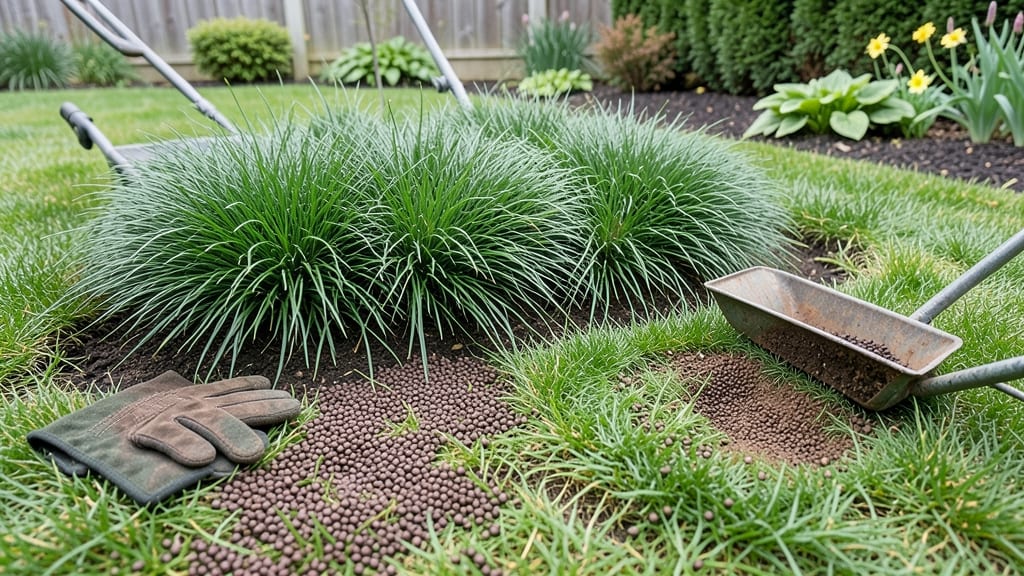
The right time to fertilize your lawn is early spring and fall — when your 🌱 grass is actively growing but before extreme heat or frost sets in.
Timing your lawn fertilization perfectly can mean the difference between a lush, green carpet and a patchy, struggling yard—especially when climate zones dictate the best windows for nutrient absorption.
Most homeowners assume one-size-fits-all fertilization works, but cool-season grasses (like fescue) thrive in spring and fall, while warm-season grasses (like Bermuda) need summer feeding. Getting this wrong can waste money or even harm your lawn.
Below, I break down the exact seasonal schedule by region, how to spot when your lawn actually needs fertilizer (not just the calendar), and the three mistakes that ruin timing—plus how to fix them.
Best seasonal times to fertilize lawns by climate zone
Getting your lawn fertilization timing right is one of the easiest ways to transform a dull, patchy yard into a vibrant green space. But the best time to fertilize depends heavily on your climate zone and the type of grass growing in your yard.
Cool-season grasses like Kentucky bluegrass and fescue thrive with different timing than warm-season varieties such as Bermuda or Zoysia. Even within the same region, microclimates can shift ideal fertilization windows by weeks.
In the Northern U.S. (USDA Zones 3-6), early spring and fall are the gold standards for fertilization. Southern states (Zones 7-10), however, often shift their focus to late spring and summer due to longer growing seasons.
Tropical climates may require year-round light feeding, while cold climates demand a strict dormancy period with no fertilization at all during winter months. Let’s break down the best seasonal windows by climate type so you can tailor your lawn care to your local conditions.
For cool-season grasses in the Northern U.S., the early spring fertilization kickstarts growth after winter dormancy. Apply a high-nitrogen fertilizer (like 30-0-4) when the soil warms to 50°F and grass shows signs of green-up.
This is your first of three applications—follow up with a second feeding in late spring and a third in early fall to strengthen roots before winter.
In contrast, warm-season grasses in Southern climates need their first fertilization in late spring (May-June) when soil temperatures hit 65°F. A second application in late summer (August-September) helps them recover from heat stress. Skip winter fertilization entirely—these grasses go dormant and won’t benefit from nutrients until spring.
Tropical climates complicate things further. In Zones 10-11, lawns like St. Augustine or Centipede grow year-round, so fertilization can happen every 6-8 weeks. However, heavy rains can wash away nutrients, so opt for slow-release fertilizers or liquid feeds applied in smaller, frequent doses.
The peak fertilization window is late summer, just before the rainy season begins.
Regional variations also matter. In drought-prone areas like Arizona or California, fertilize only during monsoon season (July-September) to prevent burning grass. Meanwhile, in humid Southern states like Florida, avoid fertilizing during hurricane season (June-November) when storms can damage newly treated lawns.
Always check your local USDA Plant Hardiness Zone for precise timing.
Pro tip: Test your soil before fertilizing—overdoing it can lead to nutrient runoff or lawn burn. A simple soil test kit (available at garden centers) will tell you if your lawn needs nitrogen, phosphorus, or potassium adjustments.
For most home lawns, a balanced 10-10-10 or 20-5-10 fertilizer works well, but cool-season grasses often benefit from a higher nitrogen ratio (like 30-0-4).
Timing isn’t just about the calendar—it’s about grass behavior. If your lawn is already green and growing vigorously in spring, hold off on fertilizing until you see slow growth or yellow
How to tell when your lawn Actually Needs Fertilizer (Not Just Seasonal Timing)
Your lawn might look green, but that doesn't always mean it's healthy. Many homeowners fertilize based on seasonal calendars alone, but your grass could be silently screaming for nutrients—or begging you to stop overfeeding.
Before reaching for that fertilizer bag, I check for these three key signs that my lawn truly needs a nutrient boost.
First, watch for yellow patches that don't disappear after mowing. These often signal nitrogen deficiency, especially in cool-season grasses like Kentucky bluegrass. Another red flag is slow growth despite regular watering—if your lawn isn't recovering from foot traffic or weeds are taking over, it's time to test your soil.
Even thin grass with visible soil between blades can mean poor root health.
⚠️ callout warning ⚠️
Never fertilize when your lawn shows active stress signs like brown patches from drought or fungal spots. Test your soil pH first—ideal range is 6.0-7.0 for most grasses. If pH is off, adjust with lime (for acidic soil) or sulfur (for alkaline) before adding fertilizer. Wait for dry weather too—wet conditions wash nutrients away, making your application useless.
Don't rely on guesswork—perform a simple DIY soil test using a test kit from your garden center. These kits measure nitrogen, phosphorus, and potassium (NPK) levels plus pH. For example, if your test shows low nitrogen but adequate phosphorus, choose a high-nitrogen fertilizer like 30-0-4.
I also recommend testing before spring fertilization to avoid overdoing it.
Another trick is the "coin test": Place a quarter on your lawn. If you can see the coin's edges through the grass blades, your turf is too thin and needs feeding.
Pair this with checking for weed dominance—healthy lawns crowd out weeds naturally. If crabgrass or clover are spreading, your grass likely lacks the nutrients to compete.
Timing matters just as much as the product. Apply fertilizer in early morning when dew is present but before 10 AM to prevent leaf burn. Water lightly after application to help nutrients soak in, but avoid heavy watering for 24-48 hours.
I've made the mistake of fertilizing after rain—it just flushes nutrients away before the grass can use them.
Remember, less is often more with lawn fertilizer. Overfeeding can lead to burnt grass, water pollution, and even increased weed growth. Start with half the recommended dose and monitor your lawn's response.
If you see vigorous new growth within 7-10 days, you're on the right track. If not, reassess your soil and approach.