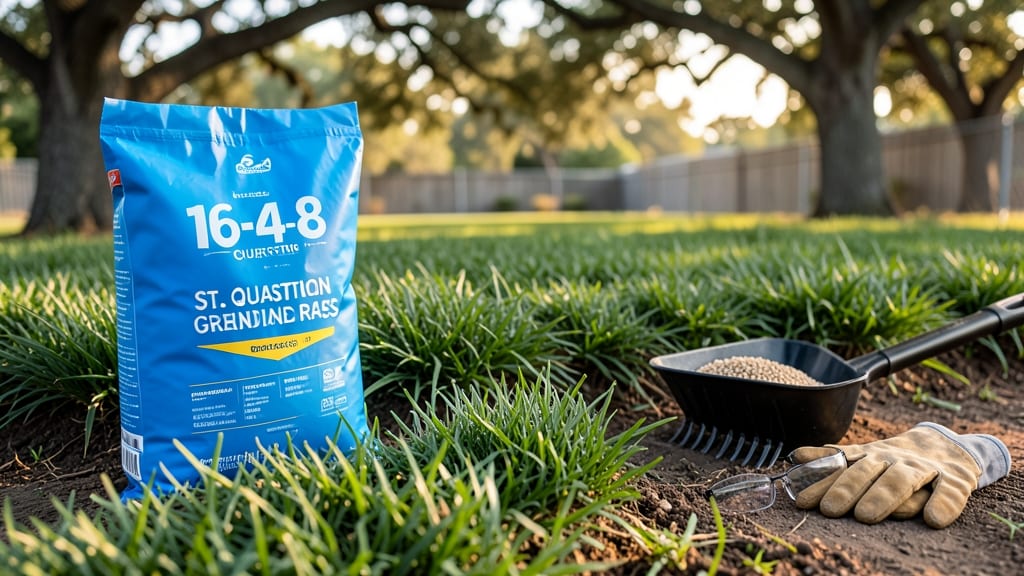
Fertilizing your lawn in Houston, Texas at the right times can mean the difference between lush, green grass and a struggling patch that browns under the summer sun.
Houston’s scorching summers and unpredictable humidity can turn your lawn into a battleground—unless you fertilize at the perfect times to outsmart the heat and drought.
The key is understanding when your 🌱 lawn grass needs a nutrient boost without overdoing it, especially in USDA Zone 9a, where the climate demands a smarter approach.
Most homeowners in Houston make the mistake of fertilizing too late in the season or using the wrong type of fertilizer, which can actually harm their grass. Instead, a strategic schedule—like feeding in early spring and fall—helps your lawn stay thick and resilient all year.
In this guide, I’ll break down the ideal fertilization timeline for Houston’s most common grasses (Bermuda, St. Augustine, and Zoysia), plus how to spot when your lawn truly needs feeding.
You’ll also learn how to avoid costly mistakes and keep your grass looking its best, even in the brutal summer heat.
🌸
Spring
FEED
Apply fertilizer in early spring (March) to promote growth before summer heat.
☀️
Summer
Light Feed
Use light feedings in summer to avoid burning grass in Houston’s heat.
🍂
Fall
FEED
Fertilize in September-October to strengthen roots for winter.
❄️
Winter
None
Avoid fertilizing in winter; grass grows slowly in cooler months.
Houston’s ideal fertilization timeline: seasonal breakdown for Bermuda, St. augustine, and Zoysia grass
Houston’s humid subtropical climate demands a precision fertilization schedule to keep your lawn thriving year-round. Unlike cooler climates, our warm-season grasses like Bermuda, St. Augustine, and Zoysia grow aggressively in summer but need strategic feeding to survive heat stress and monsoon rains.
The key? Timing your fertilizations to match Houston’s unique seasonal shifts—from pre-monsoon prep to winter dormancy care.
Most homeowners make the mistake of fertilizing too heavily in summer, which can burn grass or wash away in heavy rains. Instead, we focus on slow-release fertilizers in spring and fall, with light maintenance feeds during summer’s peak heat.
Each grass type has slightly different needs, so I’ll break down the month-by-month schedule tailored to Houston’s Zone 9a climate.
Pro Tip: Always test your soil first (Houston’s clay-heavy soil often needs gypsum or sulfur to improve drainage). Aim for a pH between 6.0 and 7.0—this is critical for nutrient uptake. If your soil test shows low organic matter, amend with compost before fertilizing.
| Month |
Bermuda Grass |
St. Augustine |
Zoysia Grass |
Fertilizer Type |
Notes |
| January |
Dormant |
Light feed (if needed) |
Dormant |
Slow-release (16-4-8) |
Avoid heavy feeding; focus on weed control. |
| February |
Pre-emergent |
Light feed |
Dormant |
Pre-emergent herbicide |
Apply pre-emergent to Bermuda to prevent crabgrass. |
| March |
Full feed |
Full feed |
Light feed |
Slow-release (20-5-10) |
Critical growth phase; water deeply after applying. |
| April |
Maintenance feed |
Maintenance feed |
Maintenance feed |
Quick-release (10-0-10) |
Use half the rate to avoid burn; mow high (1-2"). |
| May-June |
Light feed (every 6 weeks) |
Light feed (every 6 weeks) |
Light feed (every 6 weeks) |
Slow-release (12-4-8) |
Reduce feeding during monsoon season; prioritize watering. |
| July-August |
Minimal feed (if stressed) |
Minimal feed (if stressed) |
Minimal feed (if stressed) |
Iron supplement (optional) |
Focus on deep watering (1-1.5" per week) to combat heat. |
| September |
5 Critical signs your Houston lawn needs fertilizer (and when to act)
Houston’s clay-heavy soil and intense heat create the perfect storm for nutrient deficiencies—even if your lawn looks green. Many homeowners miss the subtle signs that signal it’s time to fertilize, often waiting until weeds take over or brown patches spread.
The key is catching these nutrient deficiency signals early and acting before summer stress sets in.
Your lawn communicates its needs through visual cues and growth patterns. For example, St. Augustine grass might develop yellowing leaf tips in spring, while Bermuda grass often shows thinning patches after winter.
Ignoring these signs can lead to weed invasion or stunted growth—both costly to fix later. Let’s break down the top 5 warning signs and the best times to respond.
🌱 5 Critical Signs Your Lawn Needs Fertilizer
-
1
Yellowing Grass (Not Just Brown Patches): Uniform pale green or yellow blades often signal nitrogen deficiency. Test by pulling a handful of grass—if the roots are sparse, it’s time to fertilize in early spring (March) or fall (September).
-
2
Thinning or Bare Spots: If your lawn looks patchy or feels spongy underfoot, it’s likely suffering from phosphorus or potassium depletion. Aerate first, then apply a balanced fertilizer (16-4-8 NPK) in late summer (August) to boost root strength.
-
3
Weed Invasion: Crabgrass, clover, or chickweed thriving? Your lawn’s weakened defenses mean it’s not getting enough nutrients. Apply pre-emergent herbicide in February, then fertilize with high-nitrogen (30-0-4) in April to crowd out weeds.
-
4
Slow Growth or Stunted Blades: If grass grows less than ½ inch per week in spring, it’s starving for nutrients. Use a slow-release fertilizer in May to avoid summer burnout, and pair it with 1 inch of water weekly.
-
5
Soil Test Results: Houston’s clay soil often tests low in organic matter or micronutrients. If your test shows pH below 6.0 or low phosphorus, amend with lime (for pH) and a phosphorus-rich fertilizer (0-20-10) in October.
Don’t wait until your lawn is already struggling—Houston’s high humidity and heat accelerate nutrient loss. For example, St. Augustine grass loses 30% more nitrogen in summer than in cooler months.
If you spot yellowing within 2 weeks of rain, your soil may be leaching nutrients too quickly. Adjust by using water-soluble fertilizers in short bursts during monsoon season.
Pro tip: Pair fertilization with aeration in spring to help nutrients penetrate Houston’s compacted clay soil. This combo can double root growth in just 4 weeks. And always water deeply after fertilizing—shallow watering washes nutrients away before grass can absorb them.
🌿 Ready to act? Grab a soil sample kit from your local Houston garden center and test before your next fertilization cycle. A pH of 6.0–7.0 and balanced NPK levels are your targets for a thick, resilient lawn that outlasts the heat.
★★★★★4.9(5 reviews)
|