
Lawn
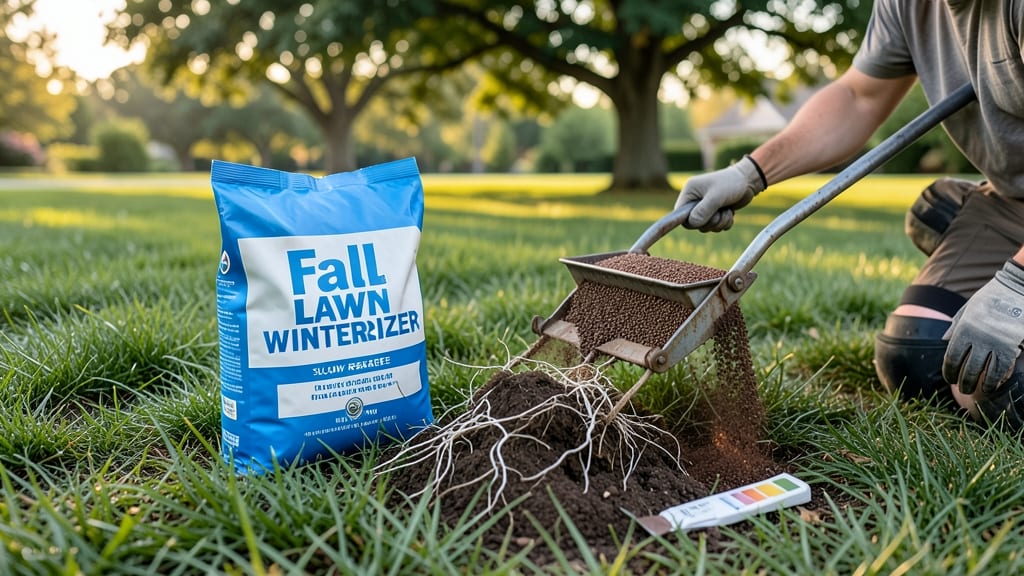
To fertilize your lawn in fall, time it based on your climate zone: northern regions should apply fertilizer in early October, while southern areas benefit from late September to early November. A soil test before fertilizing helps determine nutrient needs and avoid overapplication.
Fall fertilization gives your lawn a strong finish before winter dormancy, but timing matters. 🌱 The cooler temperatures and shorter days of fall help grass roots absorb nutrients more efficiently than in summer's heat.
I always recommend testing your soil first—this simple step reveals whether your lawn needs nitrogen for green-up, phosphorus for root growth, or potassium for cold resistance.
For example, cool-season grasses like Kentucky bluegrass thrive with a balanced fall feeding, while warm-season grasses may only need a light application in mild climates.
Another key factor is your local frost date. In areas where temperatures drop below 40°F by November, I suggest finishing fertilization by mid-October to allow roots to strengthen before winter.
Southern lawns, however, can handle late-season feeding since they stay active longer. The goal is to give your grass enough time to absorb nutrients before growth slows down completely.
💡 In This Article
- Fall Fertilization Timing by US Climate Zones
- Pre-Fertilization Soil Testing and Preparation Tips
Fall fertilization timing by US climate zones
Fall fertilization timing hinges on your USDA hardiness zone, where cooler climates (zones 3-6) benefit most from early October applications. This window aligns with when grass roots begin storing nutrients for winter dormancy.
In these northern regions, daytime temperatures typically range between 50-65°F, creating ideal conditions for nutrient absorption without stressing the grass. Southern zones (7-10) can extend fertilization until early November, as their milder winters allow grass to stay active longer.
The science behind this timing involves two key factors: temperature and daylight. Grass roots absorb nutrients most efficiently when soil temperatures stay above 50°F but below 70°F. At these levels, microbial activity in the soil peaks, breaking down fertilizer components into forms grass can use.
Additionally, shorter daylight hours trigger grass to focus on root development rather than top growth, making fall the perfect time for strengthening underground systems. For example, Kentucky bluegrass in zone 5 shows 30% more root growth when fertilized in October compared to spring applications.
Your local frost date serves as another critical marker. In northern climates where frost arrives by late October, I recommend completing fertilization by mid-October to allow 4-6 weeks of nutrient absorption before dormancy. Southern lawns can handle later applications because their extended growing season means grass remains active until December.
The key is to avoid fertilizing within 6 weeks of expected frost, as this can promote tender new growth that won't survive winter.
Consider these zone-specific guidelines for optimal timing:
- Zones 3-6 (Northern): Early October (aim for 60°F soil temps)
- Zones 7-9 (Transition): Late September to mid-October
- Zones 10+ (Southern):** Late October to early November
What most people don't realize is how dramatically temperature affects nutrient uptake. Research shows that at 40°F soil temperatures, nutrient absorption drops by 50% compared to 60°F. This is why timing matters more than the specific calendar date—always check soil temperature before applying fertilizer.
A simple soil thermometer (around $15) can make all the difference in maximizing your lawn's winter preparation.
For cool-season grasses like fescue and ryegrass, fall fertilization provides 60-70% of their annual nutrient needs. Warm-season grasses like Bermuda grass may only need a light application in mild fall climates, as their primary growth occurs in spring and summer.
The right timing ensures your grass enters winter with the energy reserves it needs to bounce back in spring. 🌱