
Lawn
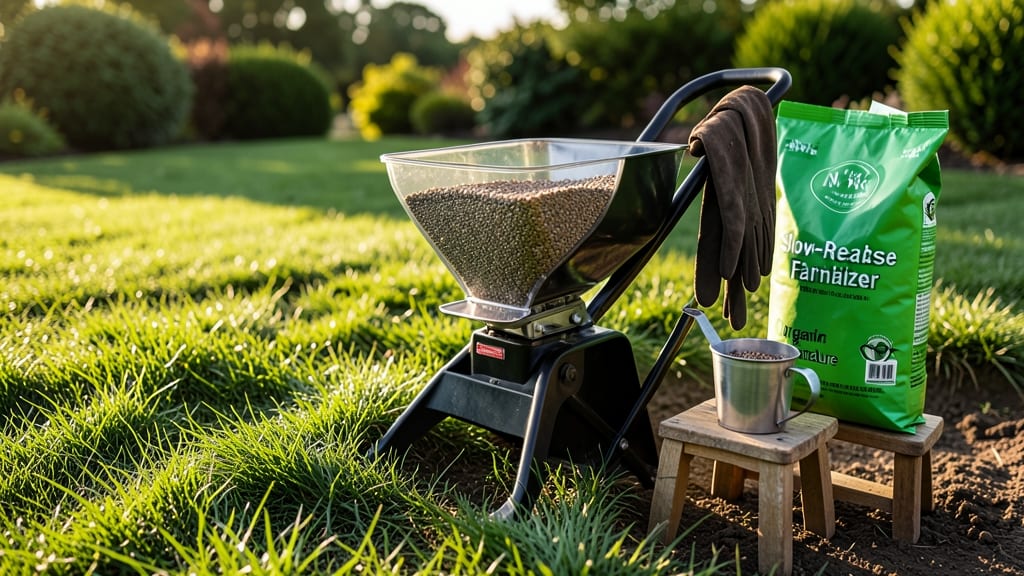
To fertilize your lawn at the right time means catching it when the grass is hungry but the weather is just right—too early, and you waste money; too late, and you risk burning the roots.
Picture this: you’ve just spent $50 on fertilizer, spread it carefully, and then—bam—your neighbor’s dog digs up half the yard. Or worse, you fertilize in July, and the heat turns your lawn into a crispy brown mess.
Timing isn’t just about the calendar; it’s about reading your grass’s signals and your climate’s quirks.
Cool-season grasses (like fescue or bluegrass) thrive in spring and fall, while warm-season types (like Bermuda or Zoysia) peak in late spring and summer. But here’s the catch: in Zone 6a, where frost lingers until mid-April, your schedule shifts.
Miss the window, and you’ll either smother new growth or starve it before it starts.
In this guide, I’ll break down the exact months to feed your 🌱 lawn grass, how to spot over- or under-fertilization, and the simple tweaks that turn a so-so lawn into the envy of the block—without breaking the bank or the rules.
Best fertilization schedule by climate Zone: northern vs southern lawns
Your lawn’s health depends on timing fertilization with your local climate—not just the season. Cool-season grasses in the Northern U.S. (like Kentucky bluegrass) thrive with spring and fall feedings, while warm-season grasses in the South (like Bermuda grass) need late spring through summer applications.
Even within these zones, regional microclimates—like the Pacific Northwest’s cooler summers or the Deep South’s extended heat—demand adjustments to avoid burning grass or wasting fertilizer.
For example, Zone 5 (northern New England) lawns should start fertilizing in early May after the last frost, while Zone 9 (Florida) lawns benefit from March applications to kickstart growth before summer’s intensity.
Pre-emergent herbicides also shift: Northern lawns need them in early spring to stop crabgrass, while Southern lawns often apply them in late winter to target warm-season weeds.
Here’s how to sync your fertilization with your grass type and climate—plus the critical months to avoid overfeeding or underfeeding.
In the Northern U.S., your lawn’s spring feeding should happen 4-6 weeks after dormancy breaks—typically when soil temps hit 55°F. Use a high-nitrogen fertilizer (like 30-0-4) to encourage leaf growth, but avoid applying when daytime temps exceed 85°F, which can burn grass.
For fall applications, switch to a low-nitrogen, high-potassium blend (e.g., 10-0-20) to strengthen roots before winter.
Southern lawns, however, peak in summer. Fertilize Bermuda grass in late spring (May) with a slow-release formula to avoid leaching during summer rains. In Zone 10, where winters are mild, you can even apply a light feeding in December to maintain color—but skip it if frost is possible.
Always water deeply after fertilizing (1 inch) to activate nutrients and prevent runoff.
Regional tweaks matter: In the Pacific Northwest, where summers are cooler and wetter, split your spring feeding into two lighter applications (April + May) to prevent nutrient runoff from heavy rains.
Conversely, in Arizona or Texas, apply fertilizer early in the morning to reduce evaporation and use shade nets if temps exceed 95°F during application.
One common mistake is fertilizing
Signs your lawn needs fertilizer (and when to avoid it)
Your lawn sends clear signals when it's hungry for nutrients. Yellow patches or pale green grass are classic signs your grass isn't getting enough nitrogen, while slow growth or thin spots often mean phosphorus or potassium deficiencies.
Even if your lawn looks green, weed invasion can signal poor soil health that fertilizer could address.
But here's the catch: not every yellow patch means you should grab the fertilizer. Over-fertilizing can burn grass roots, attract pests, or pollute local waterways. Before reaching for that bag, check if your lawn's struggling due to drought stress, shade issues, or soil compaction—problems fertilizer won't fix.
Always test your soil first!
- Cool-season grasses: Early spring (March-April) & fall (August-September)
- Warm-season grasses: Late spring (May-June) & summer (July-August)
- Soil test confirms: Low nitrogen (N), phosphorus (P), or potassium (K)
- Grass shows: Pale green color, slow growth, or thin patches
- Dormant season: Winter (northern climates) or dry season (southern)
- Extreme weather: Drought, heavy rain, or heatwaves (wait 2 weeks after)
- Newly seeded: Within 4-6 weeks of planting
- Soil test shows: High nutrient levels (risk of burn)
Environmental factors play a huge role in fertilization timing. If your area has had recent heavy rain, fertilizer can wash away before grass absorbs it.
Similarly, drought conditions mean grass can't process nutrients efficiently—wait until soil is moist but not soggy. Hot summer days above 90°F can burn grass if fertilized without proper watering.
Don't ignore seasonal growth cycles. Cool-season grasses like Kentucky bluegrass or fescue need feeding in early spring to bounce back from winter dormancy, while warm-season grasses like Bermuda or Zoysia thrive with summer feeding. Fall fertilization (6-8 weeks before first frost) helps grasses store nutrients for winter survival.
Watch for uneven color changes—dark green patches near sidewalks might indicate salt buildup from de-icing, not nutrient needs. Mushroom growth or spongy grass suggests root rot from overwatering, not fertilizer deficiency. Always rule out pests (like grubs) or disease before assuming nutrients are the issue.
Remember: less is often more with lawn fertilizer. Start with a soil test ($15-20 at local extension offices) to avoid overdoing it.
If your lawn is newly established (under 2 years old), use half the recommended dose to prevent burning tender roots. Organic options like compost or manure tea release nutrients slowly, reducing burn risks.