
Pruning
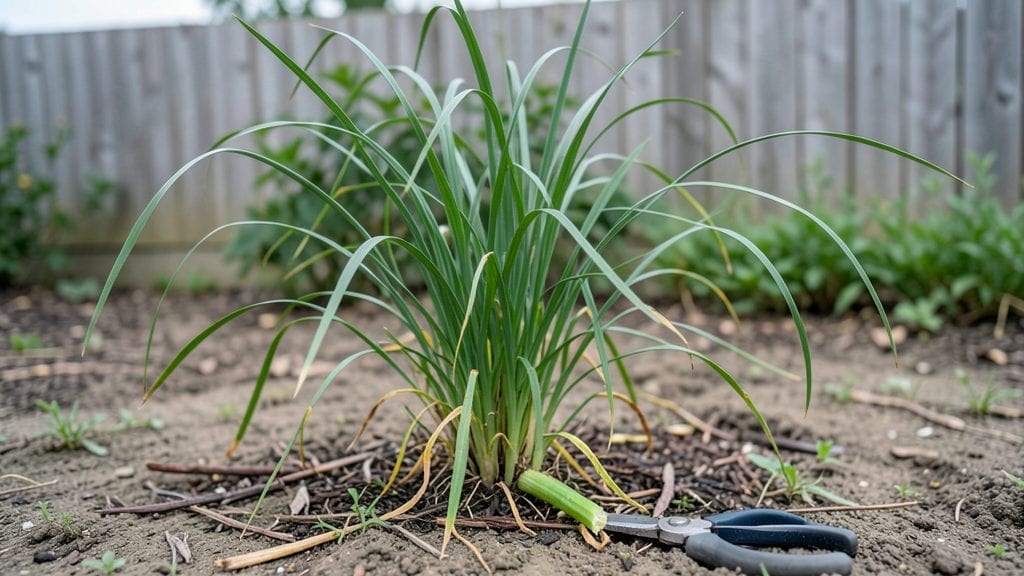
Knowing when to cut back lemon grass is critical: trim it in late winter or early spring before new shoots appear, cutting dead stalks to 6 inches above ground while protecting the hard center. Established plants benefit from a second light pruning in summer after flowering to boost density.
Timing your lemon grass pruning aligns with its natural growth rhythm—cold weather triggers dormancy, making late winter the perfect window to refresh the plant. 🌱 The 6-inch rule prevents over-trimming while allowing sunlight to reach the base for stronger regrowth.
In warmer climates, summer pruning after flowering mimics the plant's natural cycle, encouraging bushier stalks for harvests.
For new growers, I recommend marking your calendar for February-March in most regions, then adjusting by 2-3 weeks if you're in a frost-free zone. The key is removing only what's necessary—never the central core, as that's where new growth originates.
After pruning, feed with a balanced fertilizer to support the plant's recovery phase.
💡 In This Article
- Lemon Grass Growth Cycles and Pruning Science
- Step-by-Step Lemon Grass Pruning Guide by Season
Lemon grass growth cycles and pruning science
Lemon grass follows a distinct seasonal growth pattern tied to temperature sensitivity. In temperate climates, cold weather triggers dormancy, causing the plant to conserve energy in its hardy, underground rhizomes.
This natural slowdown occurs between 10-15°F (the plant's cold tolerance threshold), which explains why late winter pruning works best—you're removing dead growth while the plant prepares to regenerate as temperatures rise. The 6-inch pruning height ensures enough leaf surface remains to photosynthesize during this critical transition period.
Here's what's happening scientifically: Lemon grass stores carbohydrates in its rhizome system, which fuels new shoot growth when conditions improve. Pruning at 6 inches preserves about 30-40% of the plant's leaf surface area, maintaining photosynthesis while allowing sunlight to reach the base.
In tropical climates where temperatures stay above 60°F year-round, this growth cycle shifts—plants may flower continuously, making summer pruning after blooming (when energy diverts to seed production) more effective for encouraging denser regrowth.
The timing difference between climates creates distinct pruning windows. In USDA Zones 8-10 (temperate), focus on late winter (February-March) when days lengthen and soil temperatures approach 65°F. In Zones 11-12 (tropical), you can prune anytime except during active flowering.
What most people don't realize is that lemon grass's hard center contains meristematic tissue—growth cells that would regenerate even if pruned too low, but only if the plant has sufficient stored energy from previous growth cycles.
Cold sensitivity explains why tropical-grown lemon grass often produces multiple harvests per year. In temperate zones, the plant's natural 6-8 week dormancy period after winter pruning means you'll typically get just 1-2 harvests annually unless you use grow lights to extend the growing season.
The plant's response to light is fascinating—when you prune back to 6 inches, the remaining leaves develop thicker cell walls and higher essential oil content, making them more flavorful for culinary use.
Consider these key factors when adjusting your schedule: Soil temperature at 4 inches depth should be above 55°F for new growth to begin. In areas with hard frosts, wait until 3 days after the last frost date to prune, as cold-damaged tissue can harbor diseases.
The plant's natural flowering cycle also provides a secondary pruning cue—when you see purple flower stalks emerge (typically 6-8 weeks after spring pruning), that's your signal for summer maintenance trimming.
For container-grown lemon grass, the pruning science changes slightly due to limited root space. In pots, the plant's rhizome system can't store as many carbohydrates, so you should reduce pruning intensity by 25% compared to in-ground plants.
This means cutting back to 8 inches instead of 6 inches to maintain vigor. The container environment also makes lemon grass more sensitive to over-pruning, as roots can't compensate as effectively for lost leaf surface area.
What's truly remarkable is how lemon grass's growth response differs between its first and second years. First-year plants should never be pruned below 8 inches—they need to establish strong rhizomes before aggressive trimming.
In subsequent years, the plant's mature root system can handle the 6-inch rule while still producing 2-3 harvestable stalks per pruning cycle. This age-related adaptability explains why many gardeners see dramatically different results between their first and second growing seasons with lemon grass.