
Lawn
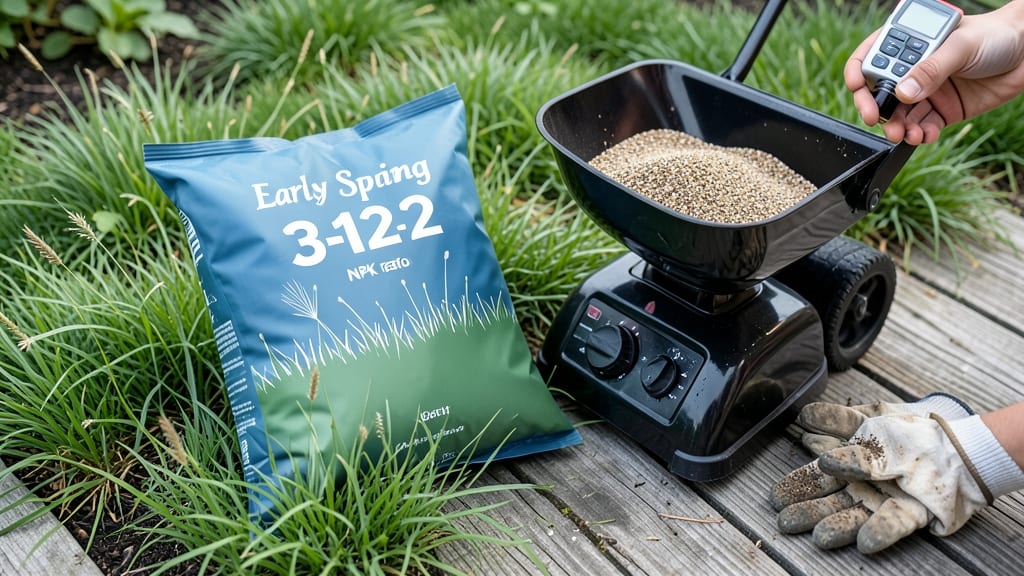
Fertilizing your lawn after winter when soil temperatures hit 45°F–55°F is the key to a lush, weed-free spring—any earlier risks wasting nutrients, and waiting too long lets weeds take over.
Picture this: You’ve spent all winter dreaming of that vibrant green carpet, only to rush out with fertilizer the second the snow melts—just to watch it sit on frozen soil like a sad, useless pile of granules. That’s why timing matters more than the brand of fertilizer you choose.
Cool-season grasses like fescue and ryegrass need that soil temp test to wake up properly, while warm-season types like Bermuda can wait until the ground is warmer.
Below, I’ll walk you through the exact steps to test your soil, avoid common mistakes, and set your lawn up for the perfect growing season.
Ready to skip the guesswork? You’ll learn how to check soil temperature (without a fancy thermometer), when to feed based on your grass type, and the one sign that tells you it’s finally time to spread that fertilizer.

Optimal soil temperature for fertilizing lawn after winter
Fertilizing your lawn at the wrong time after winter can leave your grass weak, patchy, or even burned. The key to success lies in soil temperature, which determines when your grass is ready to absorb nutrients.
For cool-season grasses like Kentucky bluegrass and fescue, aim for soil temps between 45°F–55°F, while warm-season grasses like Bermuda and Zoysia need to wait until 60°F–65°F. These ranges ensure nutrients are used efficiently, not wasted.
Your region plays a huge role in timing. Northern climates may hit ideal temps in early April, while Southern lawns might wait until late March or early April. Always check daytime soil temperatures (not air temps) to avoid guessing.
A simple soil thermometer or even a DIY method (like checking for snow melt) can save you from costly mistakes.
| Grass Type | Ideal Soil Temp | Best Fertilizing Window | Regional Adjustments |
|---|---|---|---|
| Cool-Season (Kentucky Bluegrass, Fescue, Ryegrass) | 45°F–55°F | Early April–Mid-May | North: Late April; South: Early April |
| Warm-Season (Bermuda, Zoysia, St. Augustine) | 60°F–65°F | Late April–June | North: May; South: April |
| Transition Zones (Hybrid Grasses) | 50°F–60°F | Mid-April–Early May | Wait for consistent 50°F+ days |
Testing soil temperature is easier than you think. Use a soil thermometer inserted 2–4 inches deep for accurate readings. If you don’t have one, watch for signs like snow melt or dormant grass turning green.
These indicate your lawn is waking up and ready for nutrients. Pro tip: Test in the late afternoon when soil is warmest, but avoid sunny spots that skew results.
Fertilizing too early—when soil is still below 45°F—can cause nutrient runoff or even burn tender new shoots. Conversely, waiting too long lets weeds take over or weakens root growth.
For cool-season grasses, the first feeding should happen within 2 weeks of hitting 45°F. Warm-season grasses can wait until soil hits 60°F consistently for 5+ days.
Regional microclimates matter too. Coastal areas may warm faster than inland zones, while high-elevation lawns lag behind. Adjust your timing by 1–2 weeks based on local conditions. For example, Pacific Northwest lawns might need to wait until May, while Southeast lawns can fertilize as early as March.
Always err on the side of caution—better late than too early.
If your lawn is still dormant or patchy, hold off on fertilizing. Focus on light mowing and watering deeply to encourage even growth. Once you see 50% green-up, it’s time to test soil temperature again.
Remember: Grass growth follows soil warmth, not calendar dates. Your lawn’s signals are the best guide.
For organic fertilizers, timing is slightly more flexible since they release nutrients slowly. Still, aim for 50°F+ soil to avoid waste. Synthetic fertilizers require stricter timing—apply them only when grass is actively growing and soil is warm enough to absorb them.
Over-fertilizing cold soil can harm microbes and lead to environmental runoff, hurting local waterways.
Don’t forget to aerate your lawn 1–2 weeks before fertilizing if the soil is compacted. This helps roots access nutrients and improves water absorption. Pair aeration with a light top-dressing of compost to boost soil health before applying fertilizer.
Think of it as prepping your lawn for a growth boost—just like giving it a warm-up before a big workout.
Finally, keep an eye on weather forecasts for the next 7–10 days. If a cold snap is predicted after you fertilize, nutrients may not be absorbed efficiently. Plan your fertilization window during a stable warm-up period to maximize results.
With the right soil temperature and timing, your lawn will reward you with vibrant green growth all season long.
Step-by-Step guide to testing soil temperature before fertilizing
Testing your soil temperature before fertilizing is the best way to avoid wasting nutrients or shocking your lawn. Cool-season grasses like fescue and ryegrass need warmer soil to wake up, while warm-season grasses like Bermuda or Zoysia prefer slightly cooler conditions.
A simple test ensures you fertilize at the perfect moment for your grass type and climate zone.
Most gardeners focus on air temperature, but soil temperature is the real indicator. Grass roots need soil to be at least 45°F (7°C) to absorb nutrients effectively. If the soil is too cold, fertilizer sits on the surface, risking nutrient runoff and burned grass.
Let’s walk through the exact steps to test your soil and adjust your fertilization plan accordingly.
🌡️ How to Test Soil Temperature for Fertilizing
-
📏 Step 1: Choose the Right Depth
Use a soil thermometer or DIY method (see below) to measure 2–4 inches deep. This is where grass roots actively grow. -
⏳ Step 2: Test at the Right Time
Check soil temperature on a sunny day between 10 AM and 2 PM, when soil is warmest. Avoid testing after rain or in shade. -
🌱 Step 3: Interpret the Reading
Cool-season grasses: Wait until soil hits 45–55°F (7–13°C) for 3+ consecutive days.
Warm-season grasses: Fertilize when soil reaches 60–65°F (15–18°C) or after the last frost. -
🔄 Step 4: Adjust for Your Climate
In northern zones (USDA 3–5), soil may stay cold longer—wait until daytime temps hit 50°F (10°C) for a week.
In southern zones (USDA 7–10), soil warms faster—fertilize when soil is 55°F (13°C) or when grass greens up. -
💡 Step 5: DIY Soil Thermometer Hack
No thermometer? Bury a thermometer in a glass jar filled with water at the right depth, or use a meat thermometer (clean it first!).
If your soil is still below the ideal range, hold off on fertilizing. Instead, focus on light mowing and watering deeply to encourage root growth. Once soil hits the target temperature, apply a slow-release fertilizer in the early morning to maximize absorption and minimize runoff.
Pro tip: Keep a soil temperature journal for a few years to track patterns in your yard. Note when your grass greens up naturally—this is your body’s signal that the soil is ready for fertilizer. Over time, you’ll recognize the perfect window without testing every year.
Remember, patience pays off. Fertilizing too early can burn your lawn, while waiting too long lets weeds take over. By testing soil temperature, you’re giving your grass the best possible start to the growing season.