
Lawn
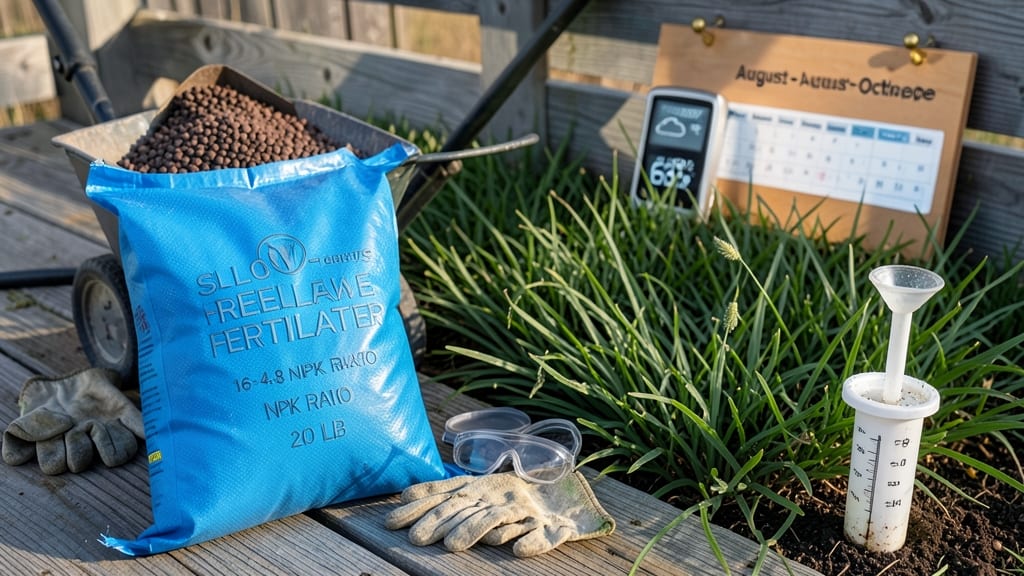
Fertilizing your lawn in Central Florida at the right time is the key to a lush, green yard that thrives year-round—not just survives.
Central Florida’s humid subtropical climate demands a strategic fertilization schedule to keep your lawn vibrant year-round—but timing is everything. Apply fertilizer too early or too late, and you risk burning grass or wasting money on ineffective treatments.
Warm-season grasses like St. Augustine and bahiagrass need feeding when they’re actively growing, which means early spring and late summer are your best bets. But skip the heavy doses in peak summer heat, or you’ll end up with crispy brown patches instead of vibrant green.
In this guide, you’ll learn the exact months to fertilize, how to spot when your lawn is truly hungry (versus just thirsty), and which fertilizers work best for Florida’s sandy soil. No more guesswork—just a thriving lawn that stays ahead of the heat.
Central Florida fertilization schedule by season: month-by-month breakdown
Central Florida’s humid subtropical climate creates the perfect storm for lush lawns—but only if you fertilize at the right times. Warm-season grasses like St. Augustine and bahia thrive when fed during their active growth phases, while cool-season ryegrass needs a different approach.
Without precise timing, you’ll either burn your grass or waste money on ineffective treatments.
Your fertilization strategy should align with temperature shifts, rainfall patterns, and grass type. For example, St. Augustine demands heavy feeding in spring and fall, while zoysia benefits from light summer applications to prevent stress.
Below, I’ve broken down the optimal months for each grass type, including NPK ratios and application rates to maximize results.
Pro Tip: Always test your soil pH (aim for 6.0-7.0) before fertilizing. Central Florida’s sandy soil drains quickly, so slow-release fertilizers are ideal. Skip winter feeding entirely—your lawn is dormant, and fertilizing can encourage fungal growth.