
Lawn
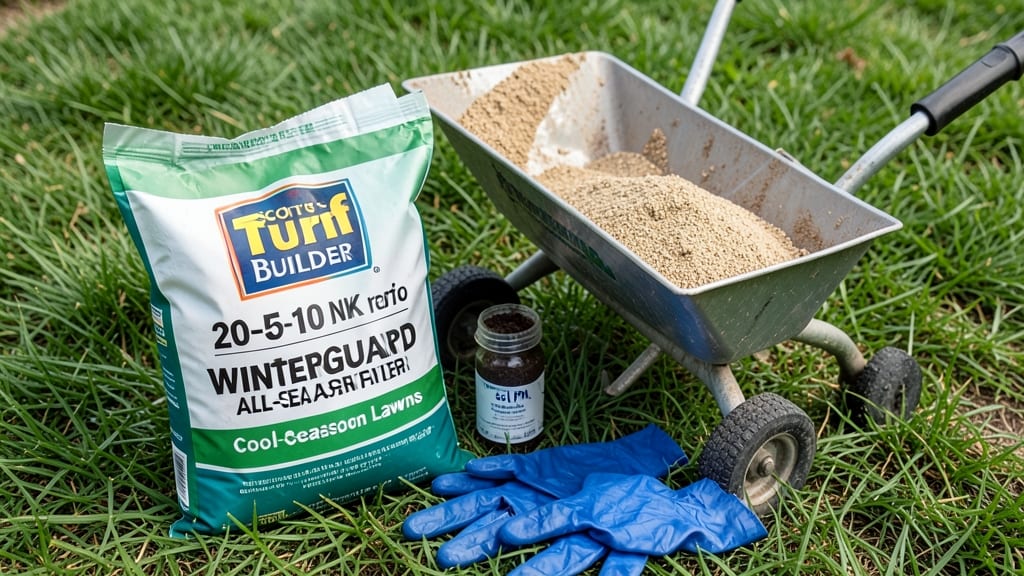
Fertilizing your lawn in Colorado at the right time—early spring and fall—makes all the difference for a thick, green yard 🌱 that survives the state’s dramatic swings from snow to drought.
Picture this: You’ve just seeded your lawn in late August, and by May, you’re ready to give it a boost. But wait—if you fertilize too early, you risk burning tender new growth in the unpredictable Colorado sun.
Get it wrong, and your hard work could end up looking more like a science experiment than a showpiece.
Colorado’s USDA zones 5-7 and microclimates (think Front Range vs. Western Slope) mean timing isn’t one-size-fits-all. Cool-season grasses like Kentucky bluegrass need feeding in April and September, while warm-season varieties like buffalo grass thrive with a lighter touch in June and August.
Soil temperature and rainfall play just as big a role as the calendar.
In this guide, I’ll break down the best months for your grass type, how to prep your soil, and when to skip fertilization entirely—plus Colorado-specific tips to avoid common mistakes that leave lawns looking lackluster. Let’s get your grass growing the right way.
Best fertilization months for Colorado lawns by grass type
Colorado’s diverse climate means your fertilization strategy should match your grass type and microclimate. Cool-season grasses like Kentucky bluegrass and fescue thrive in spring and fall, while warm-season varieties like Bermuda and buffalo grass need summer feeding.
The Front Range and Western Slope also have different timing needs due to altitude and rainfall patterns.
For cool-season grasses, the best months to fertilize are April-May and September-October. These periods align with natural growth spurts after winter dormancy and before frost.
In contrast, warm-season grasses should be fed in June-July when temperatures rise above 75°F. Skipping these windows can leave your lawn thin and vulnerable to weeds.
Here’s how to adjust your schedule based on Colorado’s two distinct regions:
In the Front Range, where elevations range from 5,000–7,000 ft, aim for 4–6 fertilization events per year. Start with a pre-emergent herbicide in early spring (March) if crabgrass is an issue, then follow with nitrogen-rich fertilizer in April.
For the Western Slope, where summers are hotter and drier, reduce spring feedings to avoid stressing grass during water restrictions.
Soil temperature is your best guide for timing. Use a soil thermometer to confirm 55°F+ for cool-season grasses or 75°F+ for warm-season varieties before applying fertilizer. In Denver, this often means waiting until mid-April, while Colorado Springs can start earlier due to lower humidity.
For organic options, compost or manure-based fertilizers work well in September to improve soil health over winter. Synthetic fertilizers with high nitrogen (24-0-5) are ideal for spring growth, while balanced blends (10-10-10) support root development in fall. Always water 1 inch after fertilizing to activate nutrients and prevent burn.
Watch for weather shifts—Colorado’s unpredictable spring rains can delay fertilization. If rain is forecast within 24–48 hours, postpone application to avoid nutrient runoff. In drought-prone areas like the Western Slope, consider drought-resistant grasses (e.g., buffalo grass) that need less frequent feeding.
Test your soil in early spring to check pH and nutrient levels. Colorado’s alkaline soils often need sulfur or iron amendments before fertilizing. Adjust your schedule if tests show low phosphorus or potassium, which can limit fertilizer effectiveness.
Remember: Less is more in Colorado’s high-altitude conditions. Over-fertilizing can harm grass and pollute local waterways. Stick to the recommended rates, and your lawn will stay green, resilient, and healthy year-round. 🌱
Signs your Colorado lawn needs fertilizer (and when to avoid it)
Colorado’s alkaline soils and variable climate can make it tricky to know when your lawn truly needs fertilizer. Many homeowners over-apply, thinking more is always better—but that can burn grass roots and waste money. Instead, watch for these visual and environmental cues to determine if fertilization is necessary.
One of the most obvious signs your lawn needs fertilizer is yellowing patches that don’t green up after mowing. This often indicates nitrogen deficiency, especially in cool-season grasses like Kentucky bluegrass or fescue.
If your lawn looks thin or patchy despite regular watering, it’s likely starving for nutrients. Even slow recovery after drought or foot traffic can signal the need for a boost.
🌱
⚠️ WARNING: When NOT to Fertilize in Colorado
Never fertilize when:
- Soil temps are below 50°F (spring) or above 85°F (summer)
- Your lawn shows brown, crispy patches (sign of heat stress or overwatering)
- You’ve applied herbicides within 3 months (can burn grass)
- Alkaline soil pH is above 7.5 (test first—fertilizer won’t help if pH is the issue)
Pro Tip: Colorado’s Front Range and Western Slope have different microclimates. Adjust timing based on your elevation—higher areas need earlier spring fertilization.
Before grabbing the fertilizer, conduct a soil test ($15–$25 via Colorado State University’s lab). High alkaline pH (7.5+) is common here and can lock out nutrients, making fertilization ineffective.
If your soil is deficient in nitrogen or phosphorus, targeted fertilization will help—but if pH is the issue, lime or sulfur amendments are the real fix.
Timing matters too. In Colorado, spring (April–May) and fall (September–October) are ideal for fertilization because cool-season grasses grow actively then. Avoid fertilizing in late summer when heat stress peaks, or in winter when grass is dormant.
If you see mushroom growth or weeds thriving, your lawn’s nutrient balance is off—time for a balanced fertilizer with slow-release nitrogen.
Watch for over-fertilization red flags: Dark green streaks in the grass, white crust on soil (excess salt), or increased weeds. These mean you’ve overdone it. In alkaline soils, iron deficiency (yellow leaves with green veins) is common—use a chelated iron supplement instead of more general fertilizer.
Always water deeply after applying to help nutrients absorb and prevent burning.
If your lawn is healthy but just looks dull, skip the fertilizer and focus on proper mowing height (3–4 inches for most Colorado grasses) and regular watering. A thatch layer thicker than ½ inch can also block nutrients—dethatch in early fall if needed.
When in doubt, test your soil and fertilize only when necessary—your wallet and grass will thank you.
💧