
Fertilization
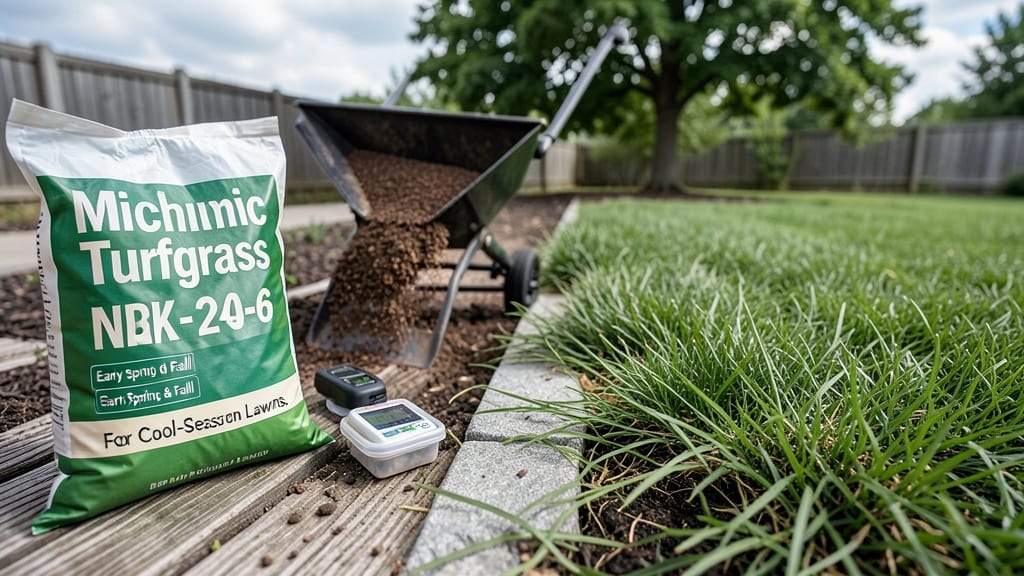
To fertilize lawns in Michigan, time applications for early spring (April–May) and fall (September–October) when soil temperatures sit between 55–65°F, ensuring roots absorb nutrients efficiently without risking burn from summer heat or washout from spring rains.
Michigan's climate demands precision timing—spring and fall feedings align with your grass's natural growth cycles. 🌱 Cool-season grasses like Kentucky bluegrass thrive when soil warms just enough to activate microbial activity, while fall applications help store nutrients for winter resilience.
The 55–65°F range is critical: too cold slows nutrient uptake, and too hot stresses grass roots. I've seen lawns in northern Michigan benefit most from a slight delay in spring fertilization until mid-May, when frost risk passes but soil stays cool enough to prevent scorching.
Pro tip: Test your soil first—many Michigan lawns need phosphorus adjustments, and over-fertilizing can harm local waterways. For crabgrass prevention, apply pre-emergent herbicides in late April to early May when soil temps hit 55°F consistently. This timing stops weeds before they sprout without disrupting your grass's nutrient uptake cycle.
💡 In This Article
- Optimal Soil Temperatures for Michigan Lawn Fertilization
- Michigan-Specific Fertilizer Schedule by Grass Type
Optimal soil temperatures for Michigan lawn fertilization
Soil temperature acts like a thermostat for your lawn's nutrient absorption system. When Michigan soils warm to 55–65°F, beneficial microbes wake up and begin breaking down organic matter into forms your grass can use—like nitrogen becoming ammonia.
This microbial activity peaks at these temperatures, creating a perfect window for fertilization. Below 50°F, microbial activity slows dramatically, leaving nutrients locked up in the soil. Above 75°F, heat stress causes grass roots to retreat deeper, making surface fertilization less effective.
Spring conditions in Michigan create a delicate balance. In April, northern regions often see soil temps around 45–50°F, too cool for optimal microbial activity, while southern areas might reach 55°F by early May.
The 55–65°F range triggers rapid root growth—Kentucky bluegrass can extend roots up to 6 inches deeper in just 2 weeks when conditions are ideal. Fall offers similar benefits: September's 60–65°F soils allow grass to store carbohydrates for winter, while October's cooling prevents nutrient burn before dormancy.
What most homeowners miss is how quickly conditions change. A sudden heatwave in June can push soil temps to 85°F+, causing fertilizer salts to concentrate at the surface and burn grass blades.
I've seen lawns in Grand Rapids develop brown patches within 48 hours of fertilizing when temps spiked unexpectedly. The solution? Use slow-release fertilizers in summer and always water thoroughly after application to dilute salts and encourage deeper root penetration.
Regional microclimates add another layer. Upper Peninsula lawns may need to wait until mid-May for consistent 55°F soils, while Detroit-area yards can start in early April. A simple soil thermometer ($15 at garden centers) reveals these variations—stick it 4 inches deep (where most grass roots grow) for accurate readings.
Pro tip: Morning is the best time to check—soil temps lag behind air temps by 2–3 hours.
Here's what's happening at the cellular level: Grass roots contain specialized cells called root hairs that absorb dissolved nutrients. At 55–65°F, these hairs grow longer and more abundant, increasing surface area for uptake by up to 30%.
The roots also produce more auxin, a growth hormone that stimulates lateral root branching. This biological response explains why properly timed fertilization can transform a patchy lawn into a dense, resilient carpet within 6–8 weeks.
For visual confirmation, look at your lawn's growth patterns. In spring, you'll notice new blades emerging along the edges of existing grass—this is your roots actively seeking nutrients.
In fall, the grass takes on a deeper green as it stores energy for winter. These visual cues align perfectly with the 55–65°F soil temperature window we're targeting.
Remember: The goal isn't just feeding your grass—it's synchronizing fertilization with your lawn's natural biological rhythms. When you get this timing right, you'll see roots growing deeper, blades thickening, and that vibrant green color that makes Michigan yards the envy of the neighborhood. 🌱