
Lawn
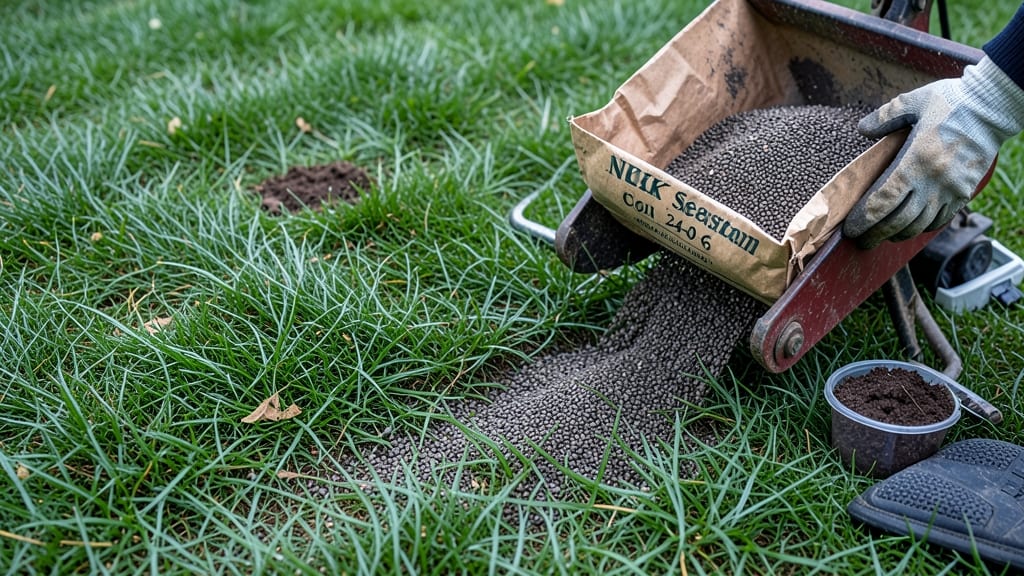
Fertilizing your lawn in Wisconsin at the right time is the key to a thick, green carpet that stands up to 4a-5b winters and hot summers.
Wisconsin’s unpredictable climate can make lawn care tricky—fertilizing at the wrong time can waste money and even harm your grass. But timing it right in spring and fall transforms a lackluster lawn into a lush, envy-worthy carpet by summer.
Most Wisconsin homeowners miss the two best windows: early spring, when soil warms to 55°F, and late fall, before the first frost sets in. These are the times your lawn grass absorbs nutrients most efficiently, setting it up for year-round resilience.
Below, I’ll walk you through the exact timing, the best fertilizers for Wisconsin’s soil, and how to avoid common mistakes that leave your lawn looking patchy or burned. Let’s get that grass growing the right way.
Wisconsin’s best fertilization timeline: spring vs. fall for optimal grass growth
Timing your lawn fertilization in Wisconsin isn’t just about following a calendar—it’s about reading your grass’s signals and the soil temperature cues that trigger growth. Cool-season grasses like Kentucky bluegrass and fescue dominate Wisconsin lawns, so their dormancy cycles and active growth periods dictate when to feed.
In southern Wisconsin (zones 5a-5b), you’ve got a slightly longer window than northern areas (4a), but both regions share the same core principle: fertilize when grass is actively growing, not when it’s dormant.
Spring fertilization is your first major feeding of the year, but rushing it too early—before soil warms to 50°F (10°C)—can waste nutrients. Meanwhile, fall fertilization in late September to early October strengthens roots for winter survival.
Skipping either window means weaker grass, more weeds, and a lawn that struggles to bounce back from Wisconsin’s harsh winters. Let’s break down the exact timing and why it matters for your region.
🌱 Key Insight: Wisconsin’s last frost dates (mid-April to early May) and first frost dates (mid-October to early November) bookend your fertilization windows. Southern WI has 10-14 extra frost-free days compared to northern WI, so adjust your schedule accordingly.
| Season | Ideal Time | Soil Temp Trigger | Fertilizer Type | Wisconsin Adjustments |
|---|---|---|---|---|
| Spring | Early April to mid-May | 50-55°F (10-13°C) | High-nitrogen (24-0-5) | Southern WI: Start by April 15; Northern WI: Wait until May 1 |
| Summer | Late June to July | 60°F+ (16°C+) | Light feed (10-0-10) | Avoid fertilizing during drought or extreme heat |
| Fall | Late September to early October | 50-55°F (10-13°C) | Slow-release (16-4-8) | Southern WI: Apply by Oct 1; Northern WI: Finish by Sept 20 |
| Winter | None | N/A (dormant) | N/A | Grass goes dormant; no feeding needed |
Spring fertilization kicks off your lawn’s growth cycle, but the exact timing depends on your USDA zone. In southern Wisconsin (zones 5a-5b), you can start as early as mid-April when soil temperatures hit 50°F (10°C).
Northern WI (zone 4a) should wait until early May to avoid shocking cool soil. Use a soil thermometer to confirm—if it’s below 50°F, hold off. A pre-emergent herbicide applied in early spring (before crabgrass germinates) pairs well with your first feeding.
Your second feeding in summer—typically late June to July—is often overlooked but critical. This light feed maintains vibrancy during Wisconsin’s peak heat stress (July-August).
Choose a slow-release fertilizer to avoid burning grass in the heat. ⚠️ Warning: Never fertilize if rain is forecasted within 24-48 hours, or nutrients will wash away.
Fall fertilization is where Wisconsin lawns get their winter resilience. Aim for late September to early October, when soil cools back to 50-55°F (10-13°C). This timing helps grass store nutrients for spring growth.
Southern WI can fertilize until October 1, while northern WI should finish by September 20 to avoid late-season growth that freezes. A winterizer fertilizer (high in potassium) is ideal for this window.
Regional adjustments matter—northern Wisconsin’s shorter growing season means you’ll have fewer opportunities to fertilize. If you’re in zone 4a, focus on spring and fall only, skipping summer unless your lawn shows signs of stress.
In southern Wisconsin, you can add a light summer feed in July, but monitor for drought conditions that can stress grass.
Pro tip: Pair your fertilization with proper mowing heights. In spring, set your mower to 3-4 inches to encourage deep root growth. In fall,
How to choose the right fertilizer for Wisconsin lawns (N-p-k ratios explained)
Wisconsin lawns thrive when fertilized with the right N-P-K ratios tailored to your grass type and local climate. Most lawns here are cool-season grasses like Kentucky bluegrass or fine fescue, which need high nitrogen to recover from harsh winters.
But choosing between synthetic blends, organic options, or slow-release formulas can feel overwhelming.
Start by understanding your soil test results—Wisconsin’s acidic soils often need lime adjustments before fertilizing. A 24-0-5 ratio works well for spring growth, while 30-0-4 supports summer recovery. Organic choices like compost or manure release nutrients slowly, while synthetic fertilizers provide quick but shorter-lived boosts.
Here’s how to match your fertilizer to Wisconsin’s growing conditions:
Avoid over-fertilizing—Wisconsin’s wet springs can leach nutrients, wasting money and polluting groundwater. Always apply when grass is dry and water lightly afterward to activate granules. For cool-season grasses, focus on fall fertilization (late August to early October) to strengthen roots before winter.
Test your soil every 3 years to adjust phosphorus and potassium levels, which are often overlooked. Wisconsin’s clay soils may need gypsum to improve drainage before applying fertilizer. Pair your choice with sharp mowing (never cut more than 1/3 of the blade) to reduce stress on nutrient-starved grass.
Remember: Less is more in Wisconsin’s climate. A light spring feeding and heavy fall application (with potassium) will yield better results than aggressive summer fertilizing, which can encourage weak, disease-prone growth before frost.