
Lawn
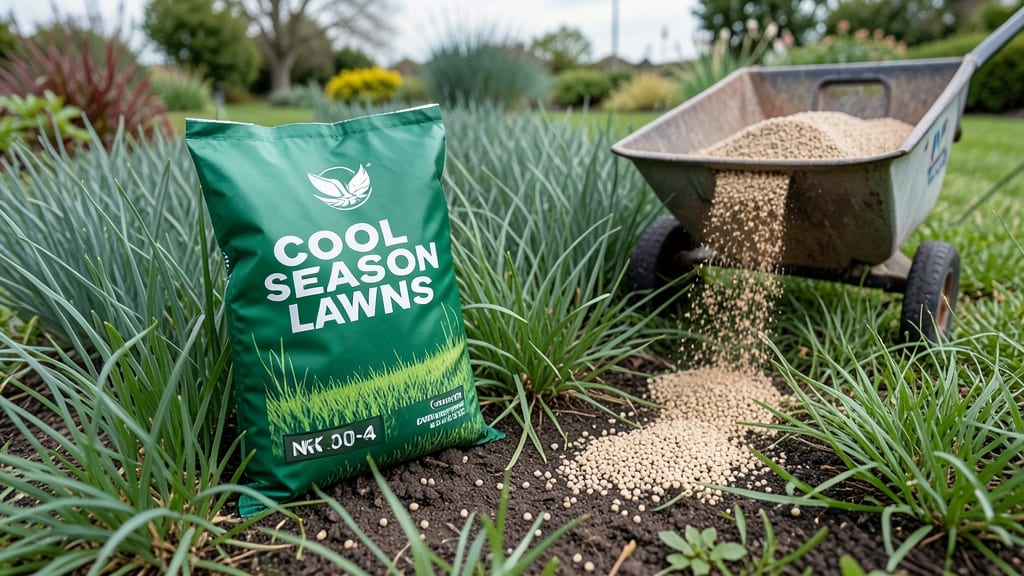
To fertilize lawn in Massachusetts at the right time means feeding your grass just as it wakes up from winter or prepares for dormancy—timing that can make or break your yard’s health.
Massachusetts homeowners know a lush, green lawn requires more than just water—timing your lawn fertilization perfectly can mean the difference between a patchy yard and a vibrant landscape. But with the state’s diverse climate zones, when exactly should you fertilize?
Your grass in zones 5b-6b thrives with two key feedings: once in late spring (after the last frost) and again in early fall (before the first frost). These windows align with your lawn’s natural growth cycles, ensuring nutrients are absorbed when roots are active.
Below, I’ll break down the exact months for your region, how to choose between organic and synthetic fertilizers, and the one mistake that turns green into yellow overnight.
Massachusetts lawn fertilization schedule by climate zone (2024 guide)
Timing your lawn fertilization in Massachusetts isn't one-size-fits-all—our state's 5 distinct climate zones create unique growing conditions. Coastal areas like Barnstable County enjoy milder winters, while inland regions like Franklin County face earlier frosts.
Even metropolitan Boston has its own microclimate nuances. Understanding these differences ensures your cool-season grasses thrive year-round.
For most Massachusetts lawns, the ideal fertilization window spans from early spring to late fall, with critical adjustments based on last frost dates. Northern regions typically wait until mid-May, while southern coastal areas can start as early as late April.
The key is aligning fertilization with your grass's natural growth cycles—not just calendar dates.
Here's the breakdown by zone, including pre-emergent herbicide timing, early-season feeding, and late-season root strengthening periods that will transform your lawn from patchy to picture-perfect.
| Climate Zone | Frost Dates | Pre-Emergent | Early Spring Feed | Late Summer Feed | Fall Root Feed |
|---|---|---|---|---|---|
| Coastal (Barnstable, Nantucket) | Last: April 15 First: Nov 5 |
Late April | Mid-April Late May |
Early July | Mid-Sept Early Oct |
| Metropolitan (Boston, Worcester) | Last: April 25 First: Oct 15 |
Early May | Late April Late May |
Mid-July | Early Sept Mid-Oct |
| Inland (Franklin, Hampden) | Last: May 5 First: Oct 1 |
Mid-May | Early May Late May |
Late July | Late Aug Early Oct |
| Hilly (Berkshire, Hampshire) | Last: May 10 First: Sept 25 |
Late May | Mid-May Late May |
Early Aug | Early Sept Mid-Sept |
| Northern (Berkshire Plateau) | Last: May 15 First: Sept 20 |
Early June | Late May Early June |
Late July | Late Aug Early Sept |
Let's start with the early spring feeding window—the most critical period for cool-season grasses like Kentucky bluegrass and fine fescue. In coastal zones, begin applying high-nitrogen fertilizer as early as mid-April to jumpstart growth after winter dormancy.
For inland areas, wait until late April to early May when soil temperatures consistently reach 55°F (13°C).
Your second fertilization should occur 6-8 weeks later, typically in late May to early June. This timing supports rapid vertical growth before summer heat stress sets in.
Use a balanced fertilizer (24-0-5) to avoid overstimulating top growth while maintaining root strength. In northern zones, this second feeding may
Signs your Massachusetts lawn needs fertilizer (and when to act)
Your Massachusetts lawn might be silently screaming for nutrients even if it looks green. Yellow patches, slow recovery after mowing, or thin grass are classic signs your grass is nutrient-deficient.
These issues often appear when soil nutrients are depleted, especially after winter dormancy or heavy foot traffic. The key is acting at the right time—before problems escalate.
In cool-season grasses like Kentucky bluegrass and fine fescue (common in MA), nutrient needs peak during spring green-up and fall root strengthening. Southern MA yards (zones 6b-7a) can fertilize earlier than northern regions (5b-6a), where frost delays growth.
Ignoring these seasonal triggers can leave your lawn vulnerable to weeds and disease.
🌱
When to Fertilize Your MA Lawn
- Spring boost: Jumpstarts growth after winter
- Weed suppression: Thick grass blocks weeds
- Fall resilience: Strengthens roots for cold
- Color vibrancy: Richer green blades
- Burn risk: Fertilizing in heat (July-August) can scorch grass
- Waste: Over-fertilizing before frost is useless
- Weak growth: Skipping fall feeding leaves lawn vulnerable
- Pollution: Runoff harms local waterways
Start with a soil test to identify deficiencies—most MA lawns need nitrogen (N) for green-up and potassium (K) for winter hardiness. If your grass shows yellowing between veins, it’s nitrogen-deficient; purple stems signal phosphorus lack. Address these issues with a balanced fertilizer (24-0-5) tailored to your grass type.
For slow-growing lawns, split applications work best: half in late April (after frost) and half in early September (6 weeks before first frost). Coastal areas (like Cape Cod) can fertilize a week earlier than inland regions due to milder winters.
Always water deeply after applying to activate nutrients and prevent burn.
Watch for thin grass after summer heat—this signals stress from nutrient exhaustion. A light late-summer feeding (August) can revive growth before fall. Pair this with overseeding in September to fill bare spots. Remember: Organic options like compost tea or bone meal work slower but improve soil long-term.
Don’t wait until your lawn is brown and patchy—act at the first signs of stress. Spring and fall are your best windows, but summer care keeps your MA lawn competitive against weeds. With the right timing, your grass will stay dense, green, and resilient year-round. 🌿