
Lawn
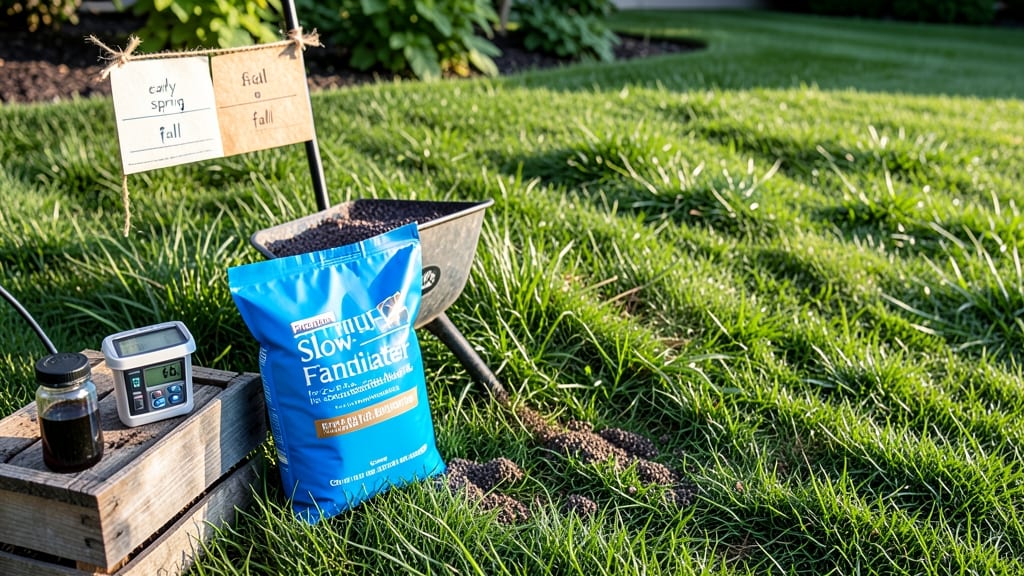
To fertilize your Utah lawn at the right time means choosing between spring and fall feeds—when cool-season grasses like Kentucky bluegrass and fescue need the most nutrients for strong root growth.
Utah’s unique climate—from high deserts to alpine regions—means fertilizing your lawn at the wrong time can waste money and even harm your grass.
Timing is everything, but with Utah’s four distinct climate zones, knowing exactly when to fertilize can make the difference between a lush green lawn and a struggling yard.
Spring is the most critical window, starting as early as April in lower elevations like Salt Lake City, while high-altitude areas may wait until May. Fall fertilization, typically September, prepares your lawn for winter dormancy, ensuring it bounces back in spring.
Below, we break down the ideal months for each Utah climate zone, soil prep tips, and how to avoid over-fertilizing—so you get the healthiest lawn without burning your wallet or your grass.
Utah’s 4 climate zones: best fertilization months by region
Utah’s diverse geography creates four distinct climate zones, each requiring a tailored approach to lawn fertilization. From the frigid winters of Northern Utah to the arid heat of Southern Utah, understanding your zone’s unique conditions ensures your grass thrives without wasting resources.
The key? Fertilizing when your lawn is actively growing—not during dormancy or extreme stress.
In Central Utah, where summers can hit 100°F+, lawns often enter dormancy by late summer, making fertilization in June or early July critical. Meanwhile, High Elevation areas like Park City experience shorter growing seasons, requiring earlier spring and later fall applications.
Let’s break down the best months for each zone and how to prep your soil for maximum absorption.
| Zone | Best Fertilization Months | Soil Prep Tip | Grass Type | Avoid Fertilizing |
|---|---|---|---|---|
| Northern Utah | April-May, September | Aerate in early spring to break winter compaction | Kentucky Bluegrass, Fescue | June-July (dormancy risk) |
| Central Utah | March-April, August-September | Test for low organic matter; amend with compost | Tall Fescue, Bermuda | June-August (heat stress) |
| Southern Utah | February-March, October-November | Irrigate 24 hours before fertilizing to prevent burn | Buffalo Grass, Blue Grama | May-September (extreme drought) |
| High Elevation | Late May-June, August | Use slow-release fertilizer to prevent leaching | Alpine Bluegrass, Wheatgrass | December-April (frost risk) |
For Northern Utah, where winters are harsh, focus on spring and fall fertilization to support recovery from snow cover. Cool-season grasses like Kentucky Bluegrass thrive with April-May applications, while a late September feeding prepares roots for winter. Always aerate compacted soil before fertilizing to improve nutrient uptake.
In Central Utah, where summers are intense, fertilize in March-April to jumpstart growth and again in August-September for fall recovery. Avoid fertilizing during peak summer heat, as it can stress already drought-stressed grass. Instead, use light organic amendments like compost to feed soil microbes.
Southern Utah’s arid climate demands careful timing—fertilize in February-March before summer dormancy begins, and again in October-November to strengthen roots. Water deeply 24 hours before applying fertilizer to prevent burn. Drought-tolerant grasses like Buffalo Grass need less frequent feeding but benefit from slow-release nutrients.
High elevation areas like Park City or Moab have shorter growing seasons, so fertilize in late May-June and again in August. Use slow-release formulas to prevent nutrients from washing away in heavy mountain rains. Test soil pH (ideal: 6.0-7.5) and adjust with lime or sulfur if needed.
Pro tip: Always water your lawn deeply after fertilizing—this activates nutrients and prevents runoff. In Utah’s variable climates, morning applications are best to avoid evening moisture, which can promote fungal growth. Adjust your schedule based on local weather patterns, not just calendar months.
Remember, over-fertilizing is a common mistake in Utah’s dry regions. Follow the 1 lb per 100 sqft rule for spring/fall and halve that for summer applications. Your lawn’s health—and your wallet—will thank you.
Signs your Utah lawn needs fertilizer (and when to avoid it)
Utah’s cool-season grasses like Kentucky bluegrass and fescue thrive when fertilized at the right time, but nutrient deficiencies often show up as subtle clues. Yellowing grass blades, especially along the veins or tips, are classic signs your lawn is hungry for nitrogen or iron.
In Utah’s hot summers, you might also notice slow growth or patches where grass struggles to recover after drought stress.
Before reaching for fertilizer, check for overwatering or compaction, which can mimic nutrient needs. Utah’s soil pH (ideal: 6.0-7.5) plays a huge role—if your soil is too alkaline (common in desert areas), nutrients like iron become unavailable, even if you’ve applied fertilizer.
A simple soil test can reveal if micronutrient deficiencies are the real issue.
⚠️ callout-warning
⚠️ When to Avoid Fertilizing in Utah
- Dormant season: Winter (Nov-Mar) – Grass stops growing; fertilizer just wastes money.
- Extreme heat: July-August – High temps cause burnt patches from fertilizer salts.
- After seeding: First 6 weeks – New grass needs low-nitrogen starter, not full fertilizer.
- Before rain: 24-48 hours – Heavy rain washes away nutrients before grass absorbs them.
Pro tip: Water deeply after fertilizing to activate nutrients—critical in Utah’s dry climate!
Over-fertilizing is just as damaging as under-fertilizing. Watch for brown or crispy patches (a sign of salt burn from excess fertilizer) or a sudden surge in weeds, which thrive on excess nitrogen.
In Southern Utah’s arid zones, even light applications can stress grass, so always follow the 1 lb per 100 sq ft rule for spring/fall and halve it for summer.
Seasonal dormancy is another Utah-specific challenge. In Northern Utah’s colder zones, grass may look dormant in winter but still needs root-strengthening fertilizer in early fall (6-8 weeks before frost).
Meanwhile, High Elevation areas (like Park City) can have shorter growing seasons, so time your last fertilizer application by late September to avoid winter stress.
For warm-season grasses (like Bermuda), fertilize in late spring (May-June) when temps rise above 65°F. But skip fertilizer if your lawn is thin or patchy—focus on soil repair first.
Utah’s variable microclimates mean what works in Salt Lake City (Zone 6b) may fail in St. George (Zone 8a), so adjust based on your local frost dates.
Pro tip: Pair fertilization with aeration in spring to help nutrients reach roots. In Utah’s compacted soils (common from heavy foot traffic or clay), this step can double the effectiveness of your fertilizer.
Always choose a slow-release formula to match Utah’s unpredictable rainfall—it won’t leach away in a single storm.