
Lawn
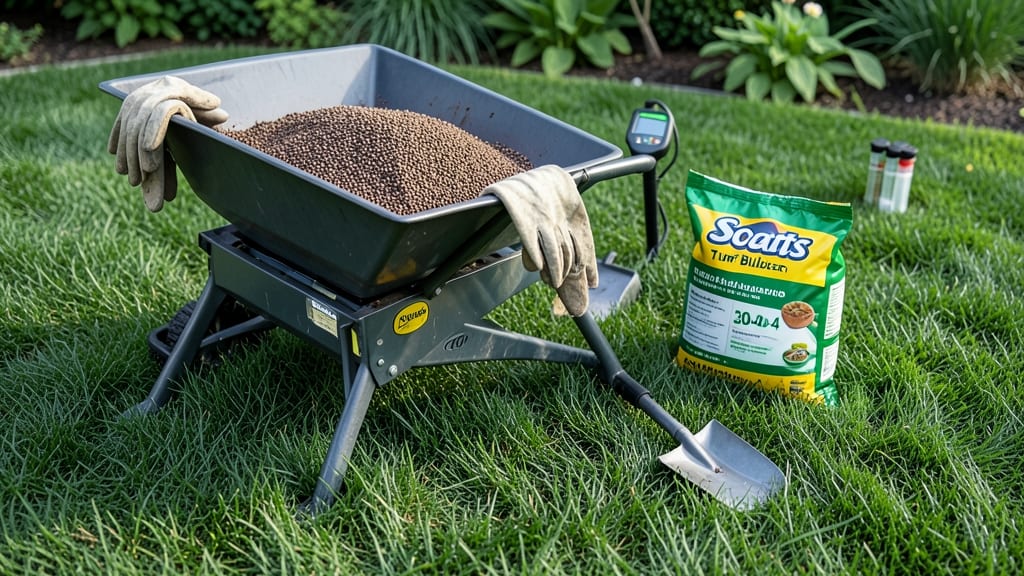
Fertilizing your lawn at the right times is the key to a thick, vibrant carpet of grass — and doing it wrong can leave you with brown patches or wasted money.
Most people assume spring is the only time to fertilize, but the truth is, your grass type and climate zone dictate the best schedule. Cool-season grasses like fescue thrive with fall applications, while warm-season Bermuda grass needs summer feedings.
Without the right timing, you might be over- or under-feeding when it matters most.
In this guide, I’ll break down the best seasons for fertilizing based on your grass type, regional adjustments for northern vs. southern climates, and how to spot when your lawn is actually asking for nutrients.
You’ll also learn how to avoid common mistakes that can harm your grass or attract pests.
Whether you’re using organic or synthetic fertilizers, you’ll leave here with a clear, step-by-step schedule tailored to your lawn’s needs — no guesswork required.
Best fertilizing seasons for lawns: cool vs warm season grass timing
Timing your lawn fertilization is like scheduling a workout for your grass—do it at the right time, and you’ll see stronger roots, deeper greens, and thicker growth. But fertilize at the wrong season, and you might waste money or even stress your lawn.
The key difference lies in whether you have cool-season or warm-season grass, which thrive in opposite growing windows.
Cool-season grasses like Kentucky bluegrass, fescue, and ryegrass love the milder temperatures of fall and early spring, while warm-season types such as Bermuda, Zoysia, and St. Augustine peak in late spring and summer.
Your USDA hardiness zone also plays a role—northern climates lean toward cool-season timing, while southern regions favor warm-season schedules.
| Grass Type | Best Fertilizing Seasons | Key Months | Regional Adjustments |
|---|---|---|---|
| Cool-Season Grass | Fall & Early Spring | September-October, March-April | Northern zones (USDA 3-7): Add light winter feed in November |
| Warm-Season Grass | Late Spring & Summer | May-June, July-August | Southern zones (USDA 8-11): Avoid fertilizing in extreme heat |
| Transition Zones | Spring & Fall | April-May, September-October | USDA 7-8: Split feedings to avoid stress |
For cool-season grasses, the fall season is your golden window—this is when grass stores nutrients for winter survival. A three-step fall feeding schedule (early September, late October, and November in colder zones) ensures your lawn stays vibrant through winter dormancy.
Early spring (March-April) is your second chance to boost growth before summer heat sets in.
Warm-season grasses, on the other hand, awaken in late spring when soil temperatures hit 65°F or warmer. Fertilize in May-June to support rapid growth, then again in July-August for a late-summer boost. Avoid fertilizing when daytime temps exceed 90°F, as this can burn grass blades and stress roots.
If you’re in a transition zone (like the Midwest or Southeast), you might have both grass types. In this case, split your fertilization schedule—focus on cool-season timing in fall/early spring and warm-season timing in late spring/summer. Use a slow-release fertilizer to avoid overwhelming your lawn during these shifts.
Regional adjustments matter too. In northern climates, a light winter feeding in November can prevent winter burn, while southern lawns should avoid fertilizing during summer droughts or when hurricane season brings heavy rains. Always check your local frost dates—they’re your best guide for timing.
One common mistake I see? Over-fertilizing in summer for cool-season grass or skipping fall feedings for warm-season types. Both can lead to weak growth, pest problems, or even lawn death.
Instead, follow the 30-30-30 rule: 30% of your fertilizer budget in fall, 30% in spring, and 30% in summer, adjusted for your grass type.
Pro tip: Pair fertilization with proper mowing heights—cool-season grasses should be 2.5-3.5 inches tall, while warm-season types thrive at 1-2.5 inches. This helps your lawn retain moisture and nutrients after feeding. Water deeply 24 hours before and after fertilizing to help nutrients absorb into the soil.
Finally, don’t forget to test your soil every 2-3 years. A simple pH test (aim for 6.0-7.0 for most grasses) tells you if you need to adjust lime or sulfur before fertilizing. This small step can double your fertilizer’s effectiveness and save you money in the long run.
With the right timing, your lawn will thrive year-round, staying green, resilient, and pest-resistant. Start with your grass type, check your climate zone, and follow the seasonal schedule—your lawn will thank you with lush, envy-worthy growth! 🌱
How to determine your grass type and adjust fertilizing schedule
Identifying your grass type is the first step to creating a fertilization schedule that works for your lawn. Different grasses thrive in different seasons, so knowing whether you have cool-season or warm-season grass determines when you should apply fertilizer.
For example, Kentucky bluegrass and fescue are cool-season types that need feeding in early spring and fall, while Bermuda and Zoysia are warm-season grasses that respond best to summer fertilization.
Start by examining your lawn’s appearance. Cool-season grasses tend to have fine to medium blades and stay green in cooler months, while warm-season grasses often have broad, coarse blades and turn brown in winter.
You can also check for seed heads or rhizomes, which are common in grasses like Bermuda. If you’re still unsure, a simple soil test from your local extension office can provide clues about the nutrients your grass needs.
Once you’ve identified your grass type, adjust your fertilization schedule based on your USDA hardiness zone.
For instance, in Zone 5 or colder, cool-season grasses like tall fescue should get their first feeding in late April or early May, while warm-season grasses like centipede grass in Zone 8 or warmer should be fertilized in late spring or early summer.
Always match your timing to your grass’s growth cycle—fertilizing at the wrong time can stress your lawn.
- 1 Cool-Season Grasses (Spring/Fall Feeding): Kentucky bluegrass, fescue, ryegrass – fertilize in early spring (March-April) and fall (September-October).
- 2 Warm-Season Grasses (Summer Feeding): Bermuda, Zoysia, St. Augustine – fertilize in late spring (May-June) and early summer (July-August).
- 3 Soil Test First: Test your soil’s pH and nutrient levels before fertilizing. Aim for a pH of 6.0-7.0 for most grasses. Adjust with lime or sulfur if needed.
- 4 Climate Zone Adjustments: In northern zones (3-5), fertilize 4-5 times per year (spring, summer, fall). In southern zones (7-10), fertilize 2-3 times per year (spring, summer).
- 5 Avoid Winter Feeding: Never fertilize in winter (November-February), as grass growth slows, and excess nutrients can burn roots or leach into waterways.
After identifying your grass type and testing your soil, create a fertilization calendar tailored to your lawn’s needs. For cool-season grasses, split your feeding into four applications: early spring, late spring, early fall, and late fall.
For warm-season grasses, focus on two to three feedings during the growing season, typically from May through August. Always follow the label instructions on your fertilizer, and consider using a slow-release fertilizer to provide steady nutrients without risking overapplication.
Pay attention to your lawn’s growth signals. If your grass is yellowing or thinning despite regular watering, it may need nutrients. Conversely, if you see excessive leaf growth or pale green color, you might be over-fertilizing.
Adjust your schedule based on these signs, and don’t hesitate to consult a local lawn care expert if you’re unsure about your grass type or soil needs.
With the right grass type identification and a customized fertilization schedule, your lawn will stay vibrant and healthy year-round. Start by testing your soil, then follow the seasonal guidelines for your grass type—your lawn will thank you with lush, green growth! 🌱