
Lawn
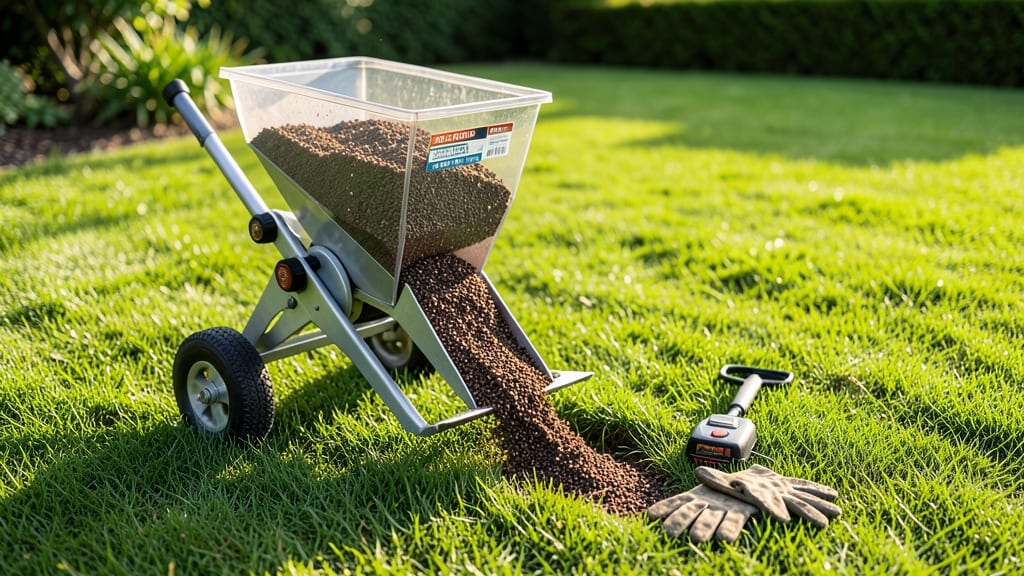
To fertilize your lawn at the best times, apply in early spring (March–April) for cool-season grasses, late spring (May–June) for warm-season grasses, and fall (September–October) for a strong root system. Always test soil first to adjust nutrient needs properly.
Timing matters because grass grows differently in each season—cool-season types like fescue and bluegrass thrive in spring and fall, while warm-season varieties such as Bermuda and Zoysia peak in late spring and early summer. 🌱 I've seen lawns double their growth when fertilized at these key moments, but the real magic happens in fall.
That's when roots grow deeper, helping your lawn survive winter better. Testing your soil every 2-3 years ensures you're not over- or under-feeding, which can waste money or harm your grass.
Here's a pro tip: if you live in a transitional climate zone (like parts of the South), you might need to adjust these windows by 2-4 weeks. For example, warm-season grasses in northern Florida might benefit from an early May application instead of June.
Always match your schedule to your local frost dates—spring fertilization should happen after the last frost, while fall applications work best before the first hard freeze.
💡 In This Article
- Best Fertilizing Seasons by Grass Type
- Soil Test Guide for Lawn Fertilization
Best fertilizing seasons by grass type
Your grass type determines the perfect fertilization window because growth cycles differ dramatically. Cool-season grasses like Kentucky bluegrass and fescue grow best when temperatures are between 60-75°F—think spring (March-April) and fall (September-October).
Warm-season grasses such as Bermuda and Zoysia, however, thrive in 80-95°F conditions, making late spring (May-June) their prime time. The key difference lies in their dormancy periods: cool-season grasses go dormant in summer heat, while warm-season types struggle in cold weather.
Fall fertilization is particularly critical because it triggers root growth before winter dormancy. When you apply fertilizer in September-October, your grass stores nutrients underground, creating a stronger root system that can withstand freezing temperatures.
Studies show lawns fertilized in fall can have 30% deeper roots by spring compared to those only fertilized in spring. The timing also avoids summer stress when grass is already struggling with heat and drought.
Climate zones shift these windows by 2-6 weeks. For example, in Zone 5 (northern U.S.), cool-season grasses might get their spring application in late April, while in Zone 8 (southern U.S.), the same grass could need fertilization in March.
Always check your last frost date—spring fertilization should happen 4-6 weeks after the last frost when soil temperatures reach 55°F consistently. Warm-season grasses in southern climates may need a pre-emergent herbicide application in late winter (February) to prevent weeds before their growth spurt.
What most people miss is the importance of splitting applications. Instead of one heavy dose, break fall fertilization into two applications: one in early September for root growth and another in late October for winter protection.
This two-step approach prevents nutrient runoff while maximizing absorption. For warm-season grasses, split spring applications into two doses—first in May for early growth, then again in June for peak season. 🌱
Consider these grass-specific schedules:
- Cool-season grasses: Early spring (March-April) + Fall (September-October)
- Warm-season grasses: Late spring (May-June) + Optional light fall (August-September)
- Transitional climates: Adjust by 2-4 weeks based on frost dates
Pro tip: If your lawn shows signs of thinning in summer, it's likely a warm-season grass struggling—consider overseeding with a cool-season variety for year-round coverage. The right timing isn't just about when you fertilize, but also about matching your grass's natural growth rhythm to maximize results. 💫