
Lawn
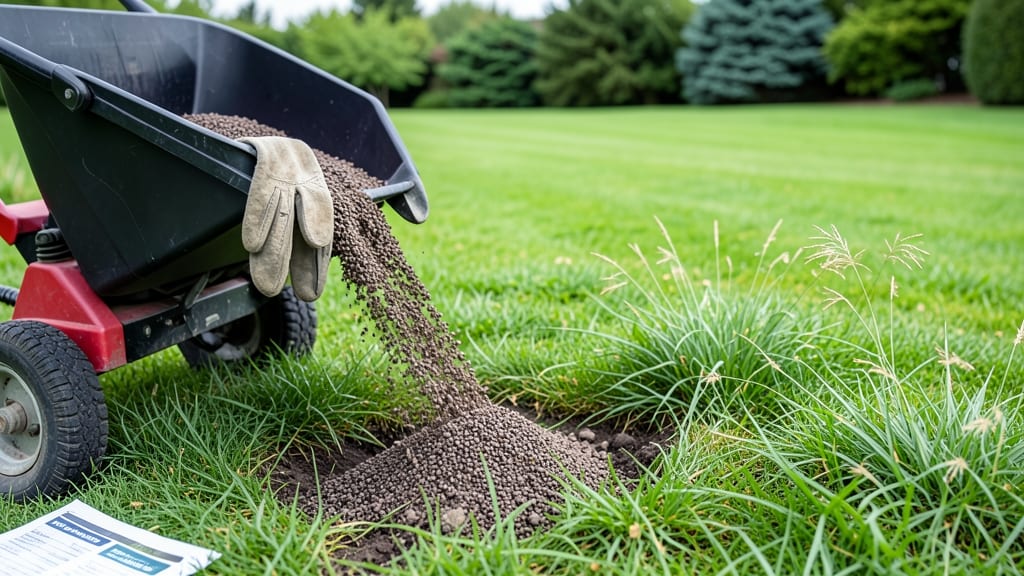
To fertilize your lawn at the right time means catching it when it’s actively growing—not when it’s dormant or stressed.
A lush, green lawn isn’t just about luck—it’s about timing. Fertilizing at the wrong season can waste money, stress your grass, or even attract pests. But get the schedule right, and you’ll transform your yard into the envy of the neighborhood.
Cool-season grasses like Kentucky bluegrass and fescue need feeding in early spring (April) and again in fall, while warm-season types like Bermuda thrive with summer fertilizing. Skipping this step can leave your lawn thin, patchy, or vulnerable to weeds.
Below, I break down the exact months to fertilize based on your grass type, plus how to avoid overdoing it—so you get stronger roots, deeper color, and fewer headaches.
Best fertilization times for cool-season vs warm-season grasses
Fertilizing your lawn at the right time can make the difference between a thin, patchy yard and a vibrant green carpet. But timing isn't one-size-fits-all—it depends on whether you have cool-season grasses like Kentucky bluegrass or warm-season grasses like Bermuda.
Get this wrong, and you might waste fertilizer or even harm your grass. Let’s break down the perfect schedule for each type so you can keep your lawn looking its best year-round.
Cool-season grasses thrive in moderate temperatures and need most of their nutrients in early spring and fall, while warm-season grasses peak in late spring and summer. Understanding these differences is key to avoiding over-fertilization or nutrient deficiencies.
For example, fertilizing Kentucky bluegrass in July could stress it, while Bermuda grass would love the extra boost. Let’s dive into the details so you can fertilize with confidence.
Climate matters too. If you live in a northern region with cold winters, your focus will be on spring and fall feedings. But in southern climates, summer fertilization becomes critical. Even within the same grass type, regional variations can shift ideal timing by 2–4 weeks. For instance, Tennessee’s fescue might need an earlier spring feeding than Washington’s ryegrass. Always adjust based on your last frost date and local growing season.
| Grass Type | Ideal Fertilization Months | Key Notes | Climate Adjustments |
|---|---|---|---|
| Kentucky Bluegrass | Early April, Mid-May, Late August | High nitrogen for growth; avoid fall fertilization. | Northern regions: Shift to May-June for summer dormancy. |
| Tall Fescue | Late March, Early June, Early September | Drought-tolerant; light feed in summer. | Southern regions: June feeding may extend to July. |
| Perennial Ryegrass | Early April, Late May, Mid-September | Fast-growing; needs frequent light feedings. | Coastal areas: September feeding may delay until October. |
| Bermuda Grass | June, August, Early September | High heat-tolerance; avoid winter fertilization. | Desert climates: June feeding may start in May. |
| Zoysia Grass | May, July, Early August | Slow-growing; use slow-release fertilizer. | Humid regions: July feeding may extend to September. |
| St. Augustinegrass | April, June, Late August | Shade-tolerant; avoid high nitrogen in winter. | Gulf Coast: April feeding may start in March. |
For cool-season grasses, the first feeding of the year is critical—aim for 4–6 weeks after your last frost when soil temperatures hit 55°F or warmer. This kickstarts growth after winter dormancy. A high-nitrogen fertilizer (like 30-0-4) is ideal here, but avoid applying it too late in the season.
For example, Kentucky bluegrass should get its last feeding by late August to prevent late-season growth that can be damaged by frost.
Warm-season grasses, on the other hand, need their first feeding in late spring when soil temps reach 65°F or higher. Bermuda grass, for instance, thrives with a June feeding to support its aggressive growth during hot months.
These grasses go dormant in winter, so no fertilization is needed from October through March. Over-fertilizing in fall can lead to winterkill, where grass turns brown and dies back. Instead, focus on light feedings in summer to keep them lush.
One common mistake is overlapping fertilization schedules for cool and warm-season grasses. If you have a mixed lawn, prioritize the grass type that dominates.
For example, if your yard is 70% fescue and 30% Bermuda, follow the cool-season schedule but add a light summer feeding for the Bermuda. Another tip: always water deeply after fertilizing to help nutrients absorb into the soil.
For cool-season grasses, water 1–2 inches within 24 hours; for warm-season, wait 48 hours to avoid burning.
Signs your fertilization timing is off include yellowing grass, slow growth, or increased weeds. If your Kentucky bluegrass looks dull in summer, you might be fertilizing at the wrong time.
Conversely, if your Bermuda grass goes dormant early, it could be a sign of under-fertilization in late summer. Adjust your schedule based on these clues, and don’t hesitate to soil test every 2–3 years to check nutrient levels.
A simple test kit from your local garden center can save you money and keep your lawn healthy.
Pro tip: Mark your
4-Step pre-fertilization checklist to avoid common mistakes
Skipping these four steps before fertilizing can turn your lawn care into a costly mistake. I’ve seen brown patches and weed explosions from rushing the process—don’t let that happen to you! Start by checking your soil health and grass condition before even touching that fertilizer bag.
First, test your soil pH and nutrient levels. Most lawns need a pH between 6.0 and 7.0. If yours is off, correcting it first saves money and prevents fertilizer waste.
Grab a soil test kit from your local garden center or send a sample to a lab for precise results.
Use a kit or lab test. Adjust with lime (raise pH) or sulfur (lower pH) if needed.
Taller grass shades out weeds and retains moisture. Never cut more than ⅓ of blade height at once.
1 inch of water helps fertilizer absorb. Avoid fertilizing if rain is forecasted within 48 hours.
✅ Vibrant green = Needs nutrients. ❌ Yellow patches = Possible fungus or overwatering.
Next, set your mower blade to 3–4 inches. Taller grass shades out weeds and develops deeper roots.
If your lawn is already shorter than 2 inches, stop fertilizing—it’s stressed and needs recovery time first. Never cut more than ⅓ of the blade height in one mowing, or you’ll shock the grass.
Water your lawn deeply 24 hours before applying fertilizer. Aim for 1 inch of water to help the fertilizer dissolve and reach the roots. Pro tip: Water in the early morning to prevent fungal growth.
If rain is in the forecast within 48 hours, skip fertilization that day to avoid runoff.
Finally, check for signs your lawn needs fertilizer. Healthy grass should be deep green and uniform. If you see pale yellow patches, it might need nitrogen, but brown spots could signal fungus or drought stress. Fertilizing a stressed lawn can make problems worse—address the root cause first.
By following these steps, you’ll avoid over-fertilization, wasted money, and a less-than-lush lawn. Think of it as a pre-flight checklist for your grass—skip it at your own risk! 🌱