
Lawn
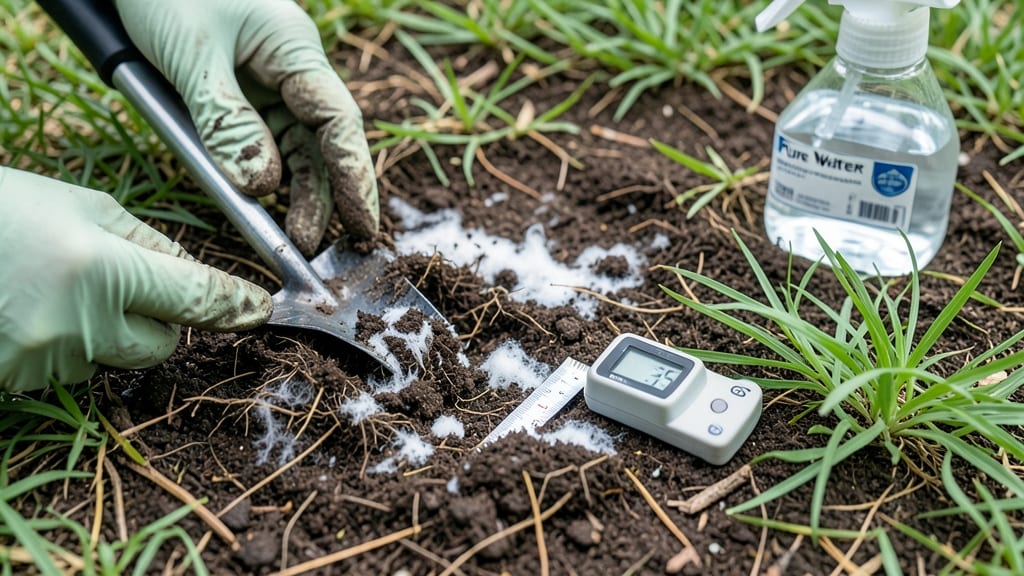
That white fungus in the soil under your lawn isn't just unsightly—it's silently stealing your grass's life. 🌱 I've seen it turn vibrant lawns into patchy, struggling messes, but there's hope.
This isn't about scrubbing your yard raw or poisoning the soil; it's about understanding why it's there and fixing the real problem. The fungus thrives on excess moisture, poor drainage, or rotting organic matter—basically, a soggy, nutrient-rich party under your grass.
Most people reach for chemicals first, but that just masks the symptoms. We're talking 3 simple steps to starve the fungus while giving your lawn the healthy foundation it craves.
You'll end up with soil that smells fresh, grass that grows thick, and a yard that actually stays green through summer. The key is aeration, proper drainage, and a little strategic sunlight—no fancy equipment needed, just elbow grease and patience. Works for any lawn, from small patches to full backyards.
Let's get that grass growing strong again—naturally.
Understanding The Root Causes
Seeing a white, fuzzy fungus creeping under your lawn isn’t just unsightly—it’s a sign that something’s off in your soil’s balance. While it might seem like a sudden, mysterious invasion, this fungal growth is usually a response to specific environmental triggers.
Let’s break down the key reasons why this happens, so you can address the real issues beneath the surface.
Fungi thrive in damp, oxygen-deprived conditions, and your lawn’s soil might be acting like a sponge. Overwatering, heavy clay soil, or compacted ground prevents excess water from draining properly, creating the perfect breeding ground for white fungal growth. Here’s why it’s a problem:
- Oxygen Starvation: Waterlogged soil pushes out air, suffocating beneficial microbes and encouraging fungal spores to multiply.
- Slow Decomposition: Organic matter (like grass clippings or thatch) breaks down slower in wet conditions, adding to the fungal food source.
- Grass Stress: Soggy roots weaken grass, making it more susceptible to fungal infections like Rhizoctonia or Pythium.
💡 Pro Tip: Test your soil’s drainage by digging a 6-inch hole and filling it with water. If it drains slower than 6 hours, you’ve got poor drainage. Amend with compost or sand to improve aeration.
Fungi are nature’s recyclers, but when your soil is overloaded with decomposing matter, they go into overdrive. Thatch (a layer of dead grass and roots) and organic debris create a cozy, nutrient-rich layer where white fungi like Sclerotinia or Botrytis flourish. Here’s how imbalances fuel the problem:
| Excess Nutrient | Fungal Response |
|---|---|
| High Nitrogen (from fertilizers or grass clippings) | Boosts fungal growth by providing easy energy. |
| Low Potassium or Phosphorus | Weakens grass roots, making them vulnerable to fungal invasion. |
| Too Much Thatch (>½ inch thick) | Traps moisture and blocks sunlight, creating a fungal paradise. |
🔥 Action Step: Dethatch your lawn in early spring or fall using a rake or vertical mower. For nutrient imbalances, get a soil test and adjust fertilization—aim for a balanced N-P-K ratio (e.g., 10-10-10).
Fungi are opportunistic—when conditions are just right (warm, humid, and shaded), they explode in growth. Your lawn’s microclimate might be the perfect incubator without you realizing it:
- Ideal Fungal Temps: Most white fungi love 60–85°F (15–30°C). If your lawn stays in this range for days (common in spring/fall), spores activate.
- High Humidity: Dew or morning fog keeps soil damp longer, extending fungal activity. Shady areas or thick grass can trap humidity.
- Sudden Weather Shifts: Hot days followed by cool, wet nights create the perfect fungal feast.
✨ Prevention Tip: Improve airflow with proper mowing height (3–4 inches) and avoid watering at night. If your lawn stays damp for >48 hours, consider a soil solarizer (clear plastic sheeting) to dry it out.
Grubs, chinch bugs, or even moles disrupt root systems, leaving grass stressed and open to fungal infections. Here’s the connection:
- Root Exposure: Pests create entry points for fungi to colonize damaged roots.
- Stress Signals: Weakened grass releases sugars and nutrients into the soil, attracting fungi.
- Compaction from Activity: Animals or foot traffic can compact soil, reducing drainage and aeration.
👨🍳 Fix It: Treat pest issues first with beneficial nematodes or milky spore for grubs. Then, overseed bare spots and aerate to revive root health.
Herbicides, fungicides, or even synthetic fertilizers can disrupt your soil’s ecosystem. While they target weeds or pests, they can also:
- Kill Beneficial Microbes: Fungi outcompete when bacteria and mycorrhizae (good fungi) are suppressed.
- Create Resistant Strains: Overusing fungicides can lead to super-fungi that ignore treatments.
- Alter pH Levels: Soil pH <6.0 or >7.5 can favor pathogenic fungi over helpful ones.
🎯 Solution: Switch to organic amendments like compost tea or mycorrhizal inoculants to restore balance. Test pH and adjust with lime (to raise) or sulfur (to lower).
How to Fix Fungal Lawn Issues
Now that you understand why white fungus might be lurking under your lawn, let’s tackle it head-on with practical, step-by-step solutions. The good news? Most fungal issues can be reversed with the right approach—no heavy machinery or toxic chemicals required.
Below, we’ll map common causes to their fixes, plus prevention tips to keep your lawn thriving long-term.
---
Before jumping into treatments, confirm what you’re dealing with: - **White mold (like Sclerotium or Rhizoctonia): Cottony, web-like growth on soil or grass blades. - Fairy rings: Dark rings of mushrooms or discolored grass with healthy grass in the center. - Damp, musty soil**: A sign of overwatering or poor drainage, which fuels fungus.
Pro tip: 💡 Snap a photo and compare it to online guides (like [University Extension resources](https://www.extension.org/)) to narrow it down.
---
#### 1. Overwatering or Poor Drainage? 💦 Fix: Adjust your watering habits and improve soil aeration. - 👨🍳 Reduce watering frequency: Water deeply 2–3 times per week (early morning) instead of daily light sprinkles.
Aim for 1–1.5 inches per week, including rain. - ⏰ Check soil moisture: Stick a screwdriver into the soil—if it goes in easily, you’re overwatering.
Wait until the top 2–3 inches are dry. - 🔪 Improve drainage: - Core aerate your lawn (rent a machine or hire a pro) to break up compacted soil. - Add organic matter: Mix in 2–3 inches of compost or sand (if your soil is clay-heavy) to help water drain faster. - Grade your yard: If water pools in low spots, create gentle slopes (1/4 inch per foot) to redirect flow.
Prevention: 🌡️ Install a soil moisture sensor or use a smart sprinkler system to automate watering based on real-time needs.
---
#### 2. Thatch Buildup or Dense Grass? 🌿 Fix: Thin out the lawn and promote airflow. - 🔪 Dethatch if needed: Rent a dethatching rake or vertical mower to remove thatch layers thicker than 0.5 inches.
Do this in spring or fall when grass is actively growing. - ✂️ Mow higher: Set your mower to 3–4 inches to shade the soil and reduce fungal spores’ access to sunlight. - 🌱 Overseed bare spots: Fill thin areas with disease-resistant grass seed (like tall fescue or Kentucky bluegrass) to crowd out fungus.
Prevention: ✨ Aerate annually to prevent thatch from becoming a fungal buffet.
---
#### 3.
Fairy Rings or Mushrooms? 🍄 Fix: Starve the fungus and restore soil health. - 🔪 Remove mushrooms and roots: Dig out fairy ring fungi (including their underground roots) and dispose of them in the trash (don’t compost!). - 💪 Boost soil microbes: Spread compost or mycorrhizal fungi (available at garden centers) to outcompete the bad guys. - 📊 Test your soil: If pH is off (too acidic/alkaline), amend with lime (to raise pH) or sulfur (to lower pH) based on test results.
Prevention: 🎯 Avoid heavy nitrogen fertilizers, which feed fungal growth. Use slow-release organic fertilizers instead.
---
#### 4.
Compacted or Waterlogged Soil? 🏗️ Fix: Loosen the soil and improve oxygen flow. - 🔪 Core aeration: Hire a pro or rent a core aerator to pull out 3–4 inch soil plugs (leave them on the lawn—they’ll break down). - 🌱 Top-dress with sand/compost: Mix equal parts sand and compost into the aeration holes to lighten heavy soil. - 💦 Fix irrigation issues: If sprinklers oversaturate, adjust heads or switch to drip irrigation for roots.
Prevention: 🔥 Walk on wood boards (not directly on grass) to avoid compacting soil during lawn care.
---
#### 5.
Chemical Fungicides: Last Resort? 💊 If fungus persists after 4–6 weeks of organic fixes, consider targeted fungicides: - 🍄 Spot-treat with copper fungicide or neem oil (safe for pets/kids once dry). - ⚠️ Avoid systemic fungicides unless necessary—they can harm beneficial microbes. - 📅 Reapply as needed: Follow label instructions, usually every 2–4 weeks during wet seasons.
Pro tip: 🌡️ Best timing: Apply fungicides in the morning so it dries before evening dew forms.
---
Keep fungus from staging a comeback with these habits: - 🌱 Mow high (3–4 inches) to shade soil. - 💧 Water deeply but less often (early morning only). - 🔄 Aerate and overseed every 1–2 years. - 🍂 Clean up debris: Rake fallen leaves and thatch promptly. - 🌿 Test soil annually: Adjust pH and nutrients as needed.
--- By tackling the root cause (literally!) and staying consistent, your lawn will bounce back healthier than ever. 🌿✨ Start with one fix this week, and watch your grass reclaim its glory!
Frequently asked questions
Is white fungus in my lawn always harmful?
Not all white fungus is bad! Some varieties are harmless decomposers that break down organic matter. The problematic ones create thatchy mats, discolor grass, or spread rapidly. Look for signs like thinning grass patches, cottony growth, or musty smells—these indicate harmful strains that need treatment.
Can I just remove the white fungus and expect my lawn to recover?
No—removing visible fungus won’t fix the underlying issue. Fungal growth thrives on excess moisture, poor drainage, or compacted soil. You must address these root causes (like aerating or adjusting watering) or the fungus will return. Think of it like treating a symptom without curing the illness.
What’s the fastest way to dry out fungus-prone soil?
For immediate relief, use a soil solarizer—cover the area with clear plastic sheeting for 4–7 days to bake out moisture and spores. Combine this with core aeration to improve airflow. Avoid watering until the soil feels dry 2–3 inches deep.
Will vinegar kill white fungus in my lawn?
Yes, but use it carefully! A 1:1 vinegar-water solution (sprayed in the morning) can kill surface fungus, but it’s harsh on grass. Test a small patch first, and avoid using it if your lawn has thatch buildup—vinegar won’t reach deep-rooted issues. For better results, pair it with aeration.
How do I know if my white fungus is spreading?
Watch for these red flags: expanding discolored patches, new cottony growth in nearby areas, or grass wilting despite regular watering. Take photos weekly to track progress. If it spreads quickly, combine treatments (like aeration + fungicide) for faster results.