
Diseases
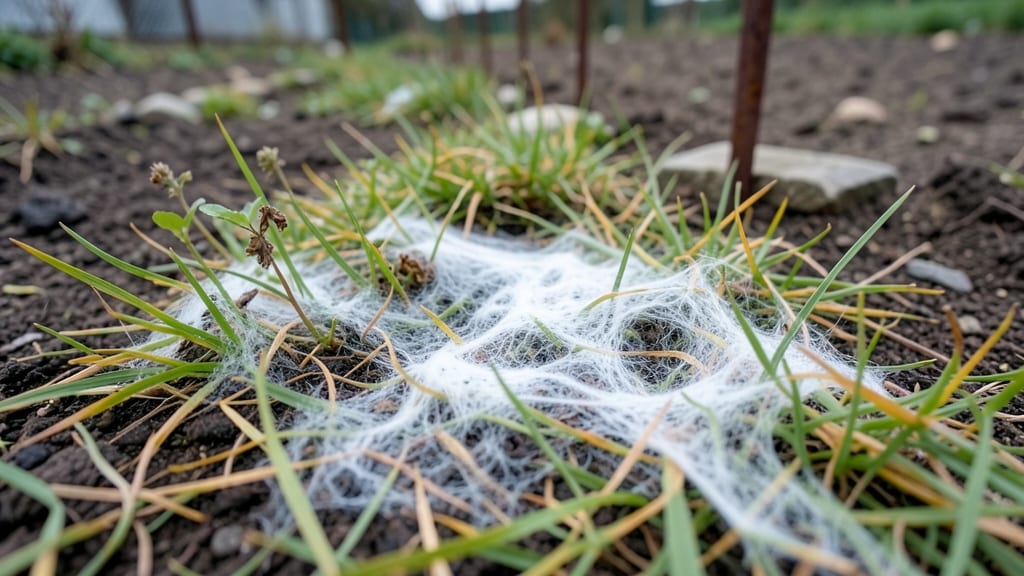
That creeping white slime mold on the grass isn’t just unsightly—it’s slime mold, and it spreads faster than you’d think. I’ve battled this stubborn problem after three consecutive rainy springs, and the vinegar spray method finally stopped it in its tracks.
The key isn’t just spraying; it’s understanding why it shows up in the first place.
Slime mold thrives on damp, organic-rich grass clippings and thatch, especially when warm, humid weather lingers. Most people mistake it for fungus or algae, but unlike those, slime mold isn’t a plant or even alive—it’s a temporary, slimy mass that disappears when dry.
That’s why raking up debris and improving drainage makes such a difference. A simple mix of vinegar and water disrupts its growth cycle without harming your grass.
Within a week of treatment, the white patches shrink noticeably, and proper lawn care keeps it from returning. You’ll see healthier grass blades pushing through, with fewer slimy surprises after mowing. The secret? Consistency—rake, spray, and aerate at the right times, and your lawn stays slime-free season after season.
This method works for both small patches and larger lawns, though bigger areas may need multiple applications. The best part? No harsh chemicals, just a natural fix that keeps your grass looking sharp without the mess. Let’s get your lawn back to its best.
Why it happens
White slime mold—often mistaken for a plant disease—isn’t a fungus at all. Instead, it’s a fascinating (if unsightly) organism called Fuligo septica, a type of plasmodial slime mold. Its sudden appearance on lawns is rarely random.
Understanding the root causes can help you prevent future outbreaks and keep your grass looking pristine. Here’s why this slimy invader shows up when it does:
🌧️ Overly Wet Conditions
Slime mold thrives in excess moisture, especially after prolonged periods of rain, heavy dew, or poor drainage.
Unlike fungi, which need organic matter to decompose, slime mold feeds on decaying plant material—like fallen leaves, thatch, or even dead grass—when the environment is damp enough for its spore-filled structures to germinate.
- Why it happens: Spores release enzymes that break down cellulose in dead plant matter, creating a nutrient-rich "soup" the mold consumes. High humidity (above 80%) keeps the slime active and visible.
- Actionable insight: If your lawn stays soggy for more than 48 hours, slime mold is likely to follow. Test drainage by walking across your grass—if water pools, your yard is at risk.
🍂 Organic Debris Buildup
Slime mold doesn’t invade healthy grass—it feasts on dead plant material. Thatch layers, leaf litter, or even compost piles near your lawn create the perfect buffet. The thicker the debris layer, the more food the mold has to spread.
- Why it happens: The mold’s spore sacs (called sporangia) burst when disturbed (like when you mow or rake), releasing spores that land on moist organic matter. Within hours, they form a creamy-white, jelly-like network.
- Actionable insight: Slime mold often appears after leaf drop in fall or after spring mowing. Clear debris regularly—aim for no more than ½ inch of thatch—to starve it out.
🌡️ Temperature and Seasonal Shifts
Slime mold is a cool-weather opportunist, peaking in spring and fall when temperatures hover between 50°F and 75°F (10°C–24°C). Extreme heat or frost halts its growth, but mild, damp conditions are its ideal breeding ground.
- Why it happens: Warm days followed by cool, wet nights create the perfect metabolic conditions for the mold’s vegetative stage (the slimy, net-like phase). It’s less common in summer droughts or winter freezes.
- Actionable insight: Monitor your lawn’s microclimate. Shady, low-traffic areas (like under trees) stay damper longer—these spots are hotspots for outbreaks.
🔄 Disturbances That Spread Spores
Slime mold isn’t contagious, but physical disruption accelerates its spread. Mowing, raking, or even kids playing in the yard can pop spore sacs, sending new spores airborne to colonize fresh debris.
- Why it happens: The mold’s life cycle includes a dormant stage (sclerotia) that lies low until disturbed. Once released, spores travel up to 10 feet to find new food sources.
- Actionable insight: If you spot slime mold, avoid mowing or tilling the area until it dries out. Wait for sunny, dry weather to break the cycle.
Quick Fixes for Fungal Grass Fuzz
That creepy white slime mold creeping across your lawn isn’t just unsightly—it can weaken grass over time. The good news? You can tackle it with simple, effective methods tailored to the root cause. Below are targeted solutions, from quick fixes to long-term prevention, so your lawn stays lush and mold-free.
🔥 Remove the Slime Safely
Before treating the underlying issue, physically remove the slime to stop its spread. Avoid raking it into the soil (which can worsen the problem), but you can gently sweep or hose it away.
- 💦 Hose it off: Use a strong stream of water from a garden hose to dislodge the slime. Work in small sections to avoid spreading spores.
- 🧹 Sweep it up: For dry patches, use a stiff broom or leaf rake to collect the slime into a trash bag. Dispose of it immediately—don’t compost it!
- 🌧️ Wait for rain: If rain is forecasted, skip manual removal and let nature do the work. The slime will dissolve naturally.
🍳 Natural Remedies for Stubborn Cases
If the slime keeps returning, try these non-toxic treatments to disrupt its life cycle.
🔪 Vinegar Spray (Best for Organic Lawns)
White vinegar’s acidity creates an unfavorable environment for slime mold spores. Mix equal parts white vinegar and water in a spray bottle, then:
- Spray the affected areas evenly until damp (don’t oversaturate).
- Apply in the early morning so the lawn has time to dry before evening dew.
- Reapply every 3–5 days until the slime disappears (usually 1–2 weeks).
⚠️ Caution: Test on a small patch first—vinegar can burn some grass types if overused.
🌿 Baking Soda Solution (For Small Patches)
Baking soda raises the pH of the soil temporarily, making it harder for mold to thrive. For a quick fix:
- Mix 1 tablespoon of baking soda into 1 gallon of water.
- Spray lightly over the slime mold (avoid oversaturating).
- Repeat once a week until the problem clears.
💡 Pro Tip: Combine with a light watering afterward to rinse excess baking soda from the grass blades.
🍄 Hydrogen Peroxide (3% Solution)
Hydrogen peroxide is a natural fungicide that kills mold spores on contact. Here’s how to use it:
- Dilute 1 part 3% hydrogen peroxide with 3 parts water.
- Spray the mixture directly onto the slime mold.
- Let it sit for 10–15 minutes, then rinse with water.
- Repeat every 5–7 days if needed.
✨ Bonus: Hydrogen peroxide also disinfects tools and containers if you’ve been storing them near infected areas.
👨🍳 Long-Term Prevention Strategies
Once the slime mold is gone, keep it from coming back with these proactive steps.
🌡️ Improve Airflow and Drainage
Slime mold thrives in damp, shaded, or compacted soil. Break the cycle with:
- 🪓 Aerate your lawn: Rent a core aerator to create holes in compacted soil, allowing water and air to penetrate.
- 🌿 Thin out dense grass: If your lawn is overly thick, mow higher (3–4 inches) and thin patches with overseeding.
- 🌳 Trim overhanging branches: Reduce shade in problem areas to speed up drying.
⏰ Adjust Watering Habits
Overwatering is a top cause of slime mold. Switch to a smart watering schedule:
- Water deeply 2–3 times per week (early morning, 6–10 AM) instead of daily light sprinkles.
- Use a soaker hose or drip irrigation to target roots, avoiding leaf wetness.
- Check for poor drainage—if water pools after rain, consider sand or compost top-dressing.
🎯 Soil pH Balance
Slime mold loves acidic or alkaline extremes. Test your soil’s pH (kits cost ~$10) and adjust:
- For low pH (acidic): Sprinkle lime according to package instructions.
- For high pH (alkaline): Apply sulfur or peat moss to lower pH gradually.
- Aim for a neutral pH (6.0–7.0) for most grasses.
🔄 Regular Lawn Maintenance
Stay ahead of slime mold with consistent care:
- 🌱 Overseed bare spots: Thin or dead patches invite mold. Reseed with a disease-resistant grass variety.
- 🪒 Sharpen mower blades: Dull blades tear grass, creating entry points for fungi.
- 🧹 Clean tools: Disinfect mowers, rakes, and brooms with a 10% bleach solution after use.
🚨 When to Call a Pro
If slime mold keeps returning despite your efforts, or if your lawn shows brown patches, thinning, or other fungal signs, consult a local lawn care specialist. They can diagnose deeper issues like dollar spot or red thread, which may require targeted fungicides.
Frequently asked questions
Is white slime mold harmful to my grass?
No, white slime mold isn't harmful to healthy grass—it feeds on dead organic matter like thatch and leaf debris. However, it can spread quickly and make your lawn look unsightly. The real risk comes from the excess moisture that encourages its growth, which can weaken grass over time if not addressed.
Why does slime mold disappear when it dries out?
Slime mold is temporary and non-living—it's actually a spore-producing stage of a larger organism. When conditions dry out, the slimy network collapses and the spores become dormant until moisture returns. This is why it often vanishes after sunny days or when you rake up debris.
Will vinegar really kill slime mold?
Yes! Vinegar's acidity disrupts the slime mold's life cycle by creating an unfavorable environment for its spores. A 1:1 vinegar-to-water spray applied every 3-5 days typically eliminates it within 1-2 weeks. Just test a small area first—some grass types may be sensitive to vinegar's acidity.
Can I mow over slime mold?
No, avoid mowing when slime mold is present. The action disturbs its spore sacs, spreading them up to 10 feet to colonize new areas. Wait until the slime disappears naturally or after treatment, then mow as usual to help dry out the lawn.
How can I prevent it from coming back next season?
Focus on reducing moisture and organic buildup: improve drainage, aerate compacted soil, and maintain a ½-inch thatch layer or less. Overseed bare patches and water deeply 2-3 times weekly instead of daily light watering. These steps create an environment where slime mold can't thrive.