
Lawn
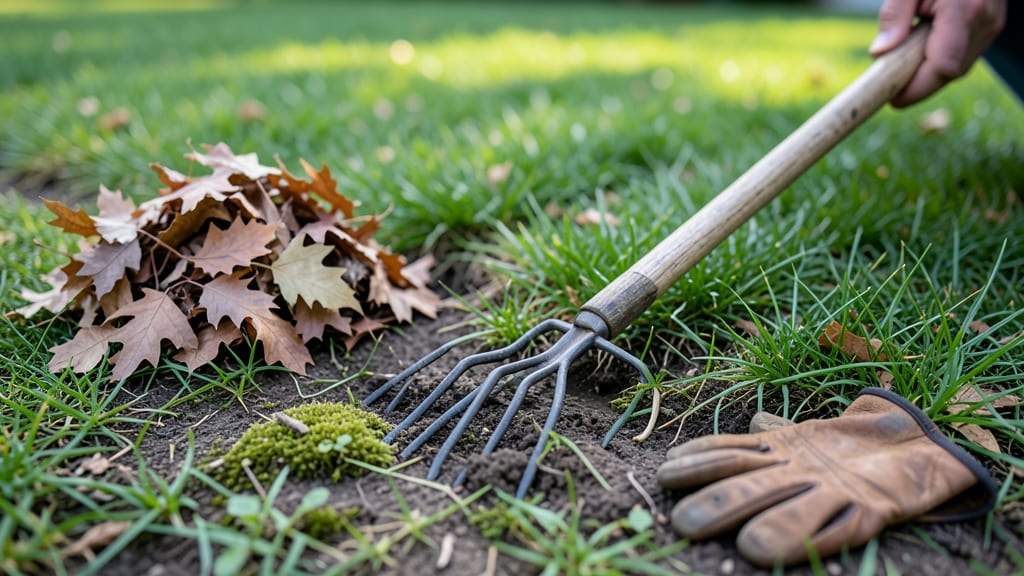
Leaves can be bad for lawns when they pile up thickly, suffocating grass by blocking sunlight and trapping moisture that promotes fungal growth, but they also act as natural mulch that enriches soil over time. Proper management—like mulching or raking—balances these effects.
Leaves aren't inherently good or bad for your lawn—it's all about how they're managed.
A thick layer (over 1 inch) can smother grass, preventing sunlight from reaching blades and creating a damp environment where mold thrives. 🌿 However, when leaves decompose naturally, they release nutrients that improve soil structure and moisture retention.
The key is timing: in fall, I recommend mowing over leaves to chop them into smaller pieces, which lets them decompose faster without harming the grass.
For homeowners with heavy leaf drop, a leaf blower or mulching mower can turn a chore into a benefit. Just avoid piling leaves in one spot—spreading them evenly or composting them instead prevents compaction and ensures your lawn gets the best of both worlds: protection from weeds and natural fertilization.
The right approach turns fallen leaves from a nuisance into a free resource for a healthier lawn.
💡 In This Article
- How Fallen Leaves Affect Grass Growth Mechanically
- Best Ways to Use Leaves for Lawn Health
How fallen leaves affect grass growth mechanically
When leaves pile up on your lawn, they create a physical barrier that disrupts grass growth at a cellular level. A layer just ½ inch thick can reduce sunlight penetration by up to 30%, while a 1-inch layer blocks 70% of light—critical for photosynthesis.
Grass blades deprived of light begin to yellow and weaken within 2-3 weeks, as chlorophyll production slows dramatically. This suffocation effect is worse for cool-season grasses like fescue, which are already stressed by fall's shorter days.
The moisture trapped beneath leaf layers creates another problem: fungal growth thrives in this damp, dark environment. Brown patch disease and snow mold are common culprits, turning your lawn into a soggy, discolored mess.
The leaves themselves act like a sponge, absorbing 15-20% of their weight in water and creating microclimates where pathogens spread rapidly. Even a ¼-inch layer can increase soil moisture by 10-15%, enough to trigger fungal spores dormant in the thatch.
Yet leaves also work as nature's mulch when managed properly. As they decompose, they release nitrogen, phosphorus, and potassium—key nutrients that improve soil structure. A 1-inch layer of shredded leaves can add 2-3 pounds of organic matter per 100 square feet annually, boosting microbial activity by 30-40%.
The contrast is stark: unmanaged leaves smother grass in weeks, while properly decomposed leaves feed it for months.
Seasonal timing matters too. In fall, leaves decompose slower due to cooler temps, so their suffocating effects last longer. But by spring, those same leaves—if left whole—can create a thick mat that blocks new grass seed germination.
The solution? Break them down early. A mulching mower can reduce leaf particles to ½-inch or smaller, speeding decomposition by 4-6 times compared to whole leaves.
Think of leaves like a blanket: too heavy, and your grass can't breathe; just right, and it stays cozy and nourished. The magic number is ⅛-inch thickness—enough to protect soil moisture but thin enough to let sunlight through. This balance turns a seasonal nuisance into a free fertilizer system.
For homeowners with heavy leaf drop, consider these mechanical solutions:
- Mulching mowers: Chop leaves into ¼-inch pieces, letting them decompose in 1-2 months
- Leaf blowers: Spread leaves evenly (⅛-inch max) to prevent matting
- Raking: Remove leaves entirely if your lawn gets over 1 inch of accumulation