
Lawn
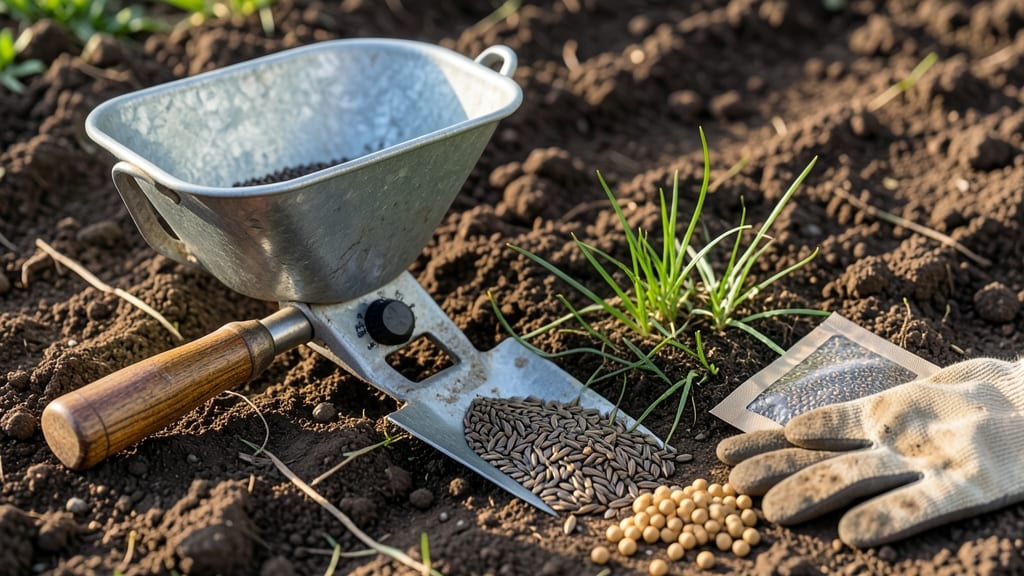
Autumn lawn seed is your secret weapon for a thick, green lawn by spring—if you plant it right. 🌱 I’ve watched bare patches transform into lush carpets just by timing the seed correctly and choosing the right blend.
Cool-season grasses like fescue and ryegrass thrive when sown in fall, germinating faster in cooler temps than in scorching summer heat.
The key is preparing your soil first: rake out debris, loosen compacted areas, and add compost for nutrients. Most fast-germinating blends need 1-2 weeks to sprout, so aim for late August to early October in most regions. Just don’t wait too late—frost can stall growth before roots establish.
Once seeded, keep the soil moist (not soggy) for the first 3-4 weeks, and avoid heavy foot traffic. The result? A lawn that outcompetes weeds and stays vibrant through winter, ready to explode with growth when spring arrives.
Works best in cooler climates (Zones 3-7), but even warm-season grasses benefit from a fall overseeding for winter color. The trick is matching your seed to your zone and staying patient—thick lawns aren’t built in a day.
📚 In This Guide
- What you need
- Instructions
- Tips and common mistakes
- Wrapping up and next steps
What you need
- ● Autumn lawn seed blend (fast-germinating mix, 5–10 lbs per 500 sq. ft., depending on coverage goals). Look for blends with ryegrass, fescue, or clover for vibrant fall color.
- ● Lawn fertilizer (slow-release, 16-4-8 or 12-12-12 NPK ratio, 1 lb per 100 sq. ft.). Opt for a cool-season formula for autumn planting.
- ● Soil amendment (compost or peat moss, 2–3 inches spread evenly over bare patches). Improves seed-to-soil contact for faster germination.
- ● Broadcast spreader (for even seed distribution) or a hand-held spreader for smaller areas.
- ● Rake (bow rake with plastic tines to avoid damaging new seeds).
- ● Garden hose with adjustable nozzle (for gentle watering).
- ○ Lawn roller (optional, 50–100 lbs, to press seed into soil lightly).
- ● Test soil pH (ideal range: 6.0–7.0). Adjust with lime (if pH ) or sulfur (if pH > 7.0).
- ● Clear debris (leaves, rocks, or thatch) from the lawn area. Aim for a clean, smooth surface.
- ● Check the weather forecast: Plant when temps are 50–65°F and expect consistent moisture for 10–14 days post-seeding.
Step-by-Step instructions for planting autumn lawn seed
Here's how to get that lush, fast-growing fall lawn without the springtime hassle.
🌱 Step 1: Prepare the Soil for Optimal Germination
Start by mowing your existing lawn as short as possible—about 1 inch—to create a clean surface for new seeds. Remove any debris, leaves, or thatch that might block seed-to-soil contact. I like to use a stiff rake to loosen the top ¼ inch of soil, breaking up any compacted layers.
Test your soil's moisture by squeezing a handful—it should hold together but not be soggy. If it's too dry, water lightly until the top 2 inches feel damp. The goal is moist but not waterlogged soil, as seeds need oxygen to germinate. This prep ensures your fast-growing blend gets the perfect start.
🌿 Step 2: Spread the Seed Evenly for Full Coverage
Use a broadcast spreader set to the recommended setting for your seed type—usually the medium setting for most autumn blends. Walk in straight lines, overlapping slightly with each pass to avoid patchy coverage. I find it helps to walk in a grid pattern for even distribution.
After the first pass, go over the lawn again at a 90-degree angle to ensure no gaps. Lightly rake the area with a leaf rake to work the seeds into the soil, pressing them just enough to ensure good seed-to-soil contact without burying them too deep. This step is critical for fast germination—seeds need light to sprout.
💧 Step 3: Water Gently but Frequently for Germination
Water immediately after planting, keeping the soil surface consistently moist for the first 7-10 days. Use a fine mist setting on your sprinkler or a gentle watering can to avoid displacing the seeds. You'll know you're doing it right when the top ½ inch of soil stays damp but not saturated.
Water lightly twice daily—once in the morning and once in the late afternoon—to keep the soil moist without encouraging mold. Once the seedlings reach about 2 inches tall, you can gradually reduce watering to 1 inch per week. This consistent moisture is what makes autumn lawn seed germinate so quickly compared to spring planting.
☀️ Step 4: Maintain Moisture and Light for Strong Growth
Keep the lawn shaded for the first 2-3 weeks if possible—use a lightweight shade cloth or even old sheets to protect young seedlings from intense afternoon sun. This prevents stress and helps them establish strong roots. Once they're 3 inches tall, you can remove the shade and let them soak up full sun.
Resist the urge to walk on the new grass until it's 3-4 inches tall—this ensures the roots grow deep and strong. You'll see the first signs of germination in about 7-14 days, depending on your climate. This is the moment you'll know all your hard work is paying off with that vibrant fall color.
✂️ Step 5: Mow and Care for Your New Lawn
Once the new grass reaches 3-4 inches, mow it for the first time, setting your mower to 3 inches to avoid scalping the tender blades. Never remove more than ⅓ of the blade height at a time—this keeps the grass healthy and encourages root growth. I like to mow in the late afternoon when the grass is slightly dry to reduce clumping.
Continue watering deeply but less frequently—about 1 inch per week, including rainfall. Fertilize with a slow-release autumn blend after the first mowing to give your lawn the nutrients it needs to thrive through the cooler months. With these steps, your fast-growing autumn lawn seed will give you a vibrant, resilient lawn before winter sets in.
Tips & tricks for perfect autumn lawn establishment
Skip the springtime rush—these pro tips ensure your autumn lawn seed grows faster and stronger than ever.
Soil Prep Secret: After mowing to that 1-inch height in Step 1, I like to add a thin layer of compost to the loosened soil before planting. This gives your fast-growing blend an instant nutrient boost, especially important in cooler autumn temperatures. Just mix it into the top ¼ inch where you'll be planting—your grass will thank you with deeper green color and faster germination.
Seed Spreading Technique: For that perfect medium setting on your broadcast spreader in Step 2, I recommend doing a quick test run on a small patch first. This helps you visualize the coverage pattern and adjust before committing to the whole lawn. The grid pattern really pays off—it eliminates those frustrating bare spots that can happen when you're not careful. Trust me, you'll notice the difference!
Watering Timing Tip: When you're watering twice daily for those first 7-10 days, aim for morning watering around 6-8 AM and afternoon watering by 4 PM. This timing prevents fungal growth by giving the lawn time to dry slightly between waterings. I've seen mold issues disappear completely just by adjusting these timing windows—it's a game-changer for autumn planting.
Shade Strategy: For that 2-3 week shading period in Step 4, consider using lightweight garden fabric instead of sheets. It lets more light through while still providing protection, and it's much easier to move around if you need to adjust coverage. Plus, it won't blow away in windy conditions like old sheets might. Think of it as giving your seedlings a cozy blanket without suffocating them.
Pro Tips for Autumn Lawn Seed
- Skip the springtime rush—these pro tips ensure your autumn lawn seed grows faster and stronger than ever.
- Soil Prep Secret: After mowing to that 1-inch height in Step 1, I like to add a thin layer of compost to the loosened soil before planting.
- Seed Spreading Technique: For that perfect medium setting on your broadcast spreader in Step 2, I recommend doing a quick test run on a small patch first.
Frequently asked questions
Got questions about reviving your lawn with autumn seed? You're not alone!
Here are some of the most common concerns—and straightforward answers—to help you get started with confidence.
When is the best time to plant autumn lawn seed?
The ideal window is late summer to early fall (typically August through October in most U.S. regions). Cooler soil temperatures and shorter days reduce stress on seedlings, while warm days still encourage germination. Aim for 4-6 weeks before your first frost—this gives roots time to establish before winter dormancy.
How long does it take for autumn lawn seed to germinate?
Germination time varies by grass type, but most fast-growing autumn blends sprout within 7–14 days under ideal conditions (moist soil, 60–75°F temperatures). Fescue and ryegrass (common in fall mixes) often appear quicker than warm-season grasses. Pro tip: Keep soil consistently moist (not soggy!) with daily light watering to speed up the process.
Can I overseed an existing lawn, or do I need to start fresh?
Overseeding is highly recommended for most lawns! It fills thin spots, thickens growth, and blends with your current grass. Just mow short (1–1.5 inches), rake to loosen soil, and spread seed evenly. Avoid overseeding if your lawn has thatch thicker than ½ inch—dethatch first. For bare patches, till lightly or use a slit seeder for better seed-to-soil contact.
How do I keep weeds out after planting autumn seed?
Pre-emergent herbicides can harm new seedlings, so skip them until your grass reaches 3–4 inches tall. Instead, use a light layer of straw mulch (¼ inch) to suppress weeds while retaining moisture. Hand-pull weeds as they appear, and consider a post-emergent herbicide labeled for new grass (like corn gluten meal) after germination. Pro tip: A dense lawn crowds out weeds naturally!
Is autumn lawn seed more expensive than spring seed? Does it matter?
Autumn seed blends are often priced similarly to spring mixes, but the results justify the investment. Fall planting yields 60–80% more coverage because cooler temps reduce stress and weeds. Look for pre-mixed "fall overseeding" blends (like tall fescue + ryegrass) for convenience—just check the label for cool-season grass dominance (90%+).
Will my new grass survive winter if planted in autumn?
Autumn-planted cool-season grasses (like fescue, ryegrass, or bluegrass) enter dormancy naturally when frost hits, then bounce back vigorously in spring. Key tip: Avoid fertilizing late in the season (stop by October in most climates) to prevent tender new growth. Mulch lightly with leaves or straw for insulation if your area gets harsh winters.
Still unsure?
Check your seed packet for regional planting zones or consult your local cooperative extension service for hyper-local advice. Happy seeding!
Wrapping up and next steps
Transforming your lawn this autumn doesn’t have to be a challenge—with the right fast-germinating autumn lawn seed, you’re just steps away from a lush, vibrant space that turns heads. Remember, preparation is key: clear debris, test your soil, and choose seeds tailored to your climate and grass type.
Whether you’re a first-timer or a seasoned pro, every patch of green starts with a single seed—so roll up your sleeves and get planting!
🌱 Next step: Grab your supplies, follow the steps, and watch your lawn flourish by next spring. Happy gardening! 🌿