
Lawn
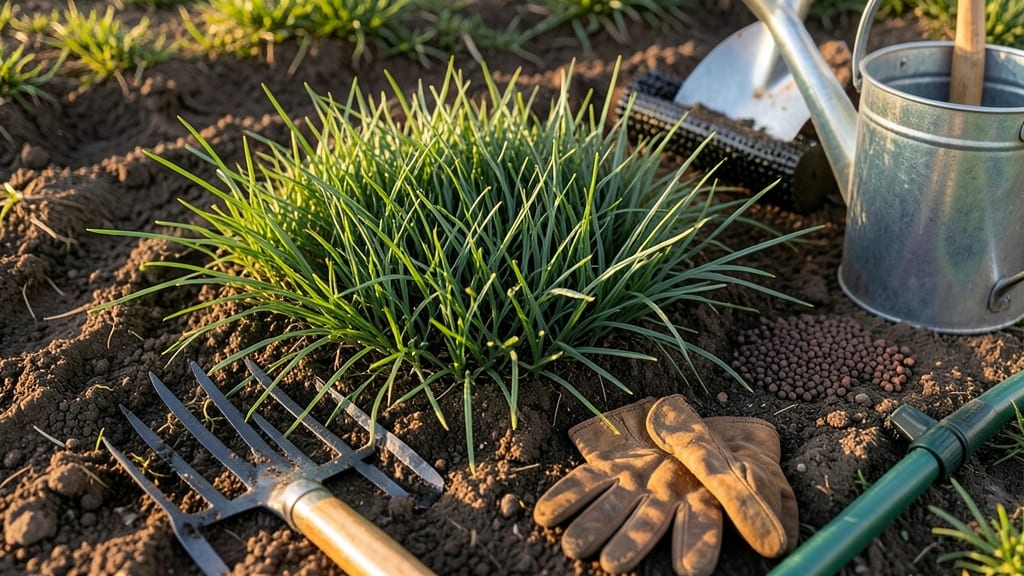
Fall lawn planting gives your grass a head start for next spring’s showstopper lawn. ✨ The cooler weather and shorter days mean less stress on seeds, fewer weeds, and roots that grow deep while the ground stays warm.
I’ve planted three lawns this way, and each one outcompetes spring starts by June. You’ll need a rake, a spreader, the right grass seed for your zone, and a watering plan that keeps soil moist but not soggy. My secret?
Test your soil first—amend with compost if it’s heavy clay or sandy. The prep takes 2-3 hours, but the payoff is a lawn that greens up faster and stays thick all season. By late October, your lawn will look like a lush carpet, not patchy bare spots.
The grass will handle winter better too, bouncing back quicker in spring. You’ll skip the mid-summer brownouts that plague spring plantings. Works in zones 3-9, but adjust timing for frost: plant 6-8 weeks before your first hard freeze. Here’s how to nail it without the common fall mistakes.
📚 In This Guide
- What you need
- Instructions
- Tips and common mistakes
- Wrapping up and next steps
What you need
- ● Grass seed: Choose a high-quality, cool-season blend (e.g., Kentucky bluegrass, tall fescue, or perennial ryegrass). Quantity: 4–8 lbs per 100 sq ft (check seed bag for exact coverage rates).
- ● Topsoil or compost: A ¼-inch layer of nutrient-rich soil or compost to improve seed-to-soil contact. Quantity: Enough to cover your lawn area.
- ● Lawn fertilizer: A slow-release, fall-specific formula (e.g., 16-4-8 or 20-5-10) with low phosphorus for new lawns. Quantity: Follow package rates (typically ½–1 lb per 100 sq ft).
- ● Mulch or straw: Lightweight straw or peat moss to retain moisture and protect seeds. Quantity: ¼–½ lb per 100 sq ft.
- ● Lawn rake: A stiff-bristle rake to level soil and remove debris.
- ● Broadcast spreader: For even seed distribution (manual or drop-type).
- ● Garden hose or sprinkler: With a gentle mist setting for watering.
- ○ Soil tester kit (optional): To check pH (ideal range: 6.0–7.0 for cool-season grass).
- ● Knee pads or gloves: For comfort during prep work.
- ● Weather window: Aim for temps between 50–65°F and avoid planting before the first frost.
- ● Soil prep: Remove weeds, rocks, and debris; loosen compacted soil with a rake or aerator.
- ● Water access: Ensure consistent moisture for the first 2–3 weeks post-planting.
Step-by-Step instructions for planting a fall lawn
Here's how I get a thick, healthy lawn every year—starting in the fall when conditions are perfect.
🪴 Step 1: Prepare the Soil for Optimal Seed Germination
Fall's cooler temperatures and consistent moisture create ideal conditions for new grass roots. Start by removing any existing weeds or debris with a rake or lawn edger. I like to use a broadfork to loosen the top 4-6 inches of soil without disturbing deeper layers—this mimics natural aeration while keeping roots intact.
Test the soil pH if possible (most grass thrives in 6.0-7.0 range). If your soil is compacted or clay-heavy, mix in 2-3 inches of compost or topsoil to improve drainage and fertility. The goal is loose, crumbly soil that seeds can easily penetrate. Water the area lightly after tilling to settle the soil.
🌱 Step 2: Choose and Spread Grass Seed Properly
Select a cool-season grass variety suited to your climate (like tall fescue or Kentucky bluegrass). Spread seed evenly using a broadcast spreader or by hand—walk in opposite directions to ensure full coverage. I aim for 8-12 pounds of seed per 1,000 square feet, following the package recommendations closely.
Don't bury the seeds—lightly rake them into the soil surface so they make contact with the earth but remain exposed to light. This ensures proper germination while preventing smothering. After spreading, give the area a light misting to moisten the soil without displacing seeds. You'll see the first signs of growth in 7-14 days.
💧 Step 3: Maintain Consistent Moisture for Germination
The critical window for new grass is keeping the soil consistently moist but not soggy. Water lightly twice daily (morning and evening) for the first 2-3 weeks, applying just enough to keep the top ½ inch of soil damp. Overwatering can wash away seeds or cause disease, while underwatering stresses young seedlings.
Once the grass reaches 2-3 inches tall, reduce watering to 1 inch per week, including rainfall. You'll know moisture is right when the soil feels damp but not saturated—like a wrung-out sponge. Avoid walking on the new lawn until the grass is 3-4 inches tall to prevent damage.
✂️ Step 4: Protect and Maintain Through Winter
As temperatures drop, reduce watering to once weekly unless there's no rainfall. Apply a light layer of straw mulch (¼ inch) to protect seeds from freezing and retain moisture. This isn't the same as winterizing—just a temporary shield until spring.
In late fall, apply a winter fertilizer with low nitrogen content to support root development without encouraging top growth. Avoid heavy foot traffic on the lawn until spring, when new growth appears. By early spring, your fall-planted lawn will be 2-3 inches tall and ready for mowing.
☀️ Step 5: Transition to Spring Care
When daytime temperatures consistently reach 60°F, switch to a spring fertilizer with higher nitrogen to promote lush top growth. Mow when the grass reaches 3-4 inches tall, never removing more than ⅓ of the blade height at a time. This encourages strong root systems and prevents stress.
Fall-planted lawns establish deeper roots over winter, making them more drought-resistant and resilient than spring plantings. You'll notice thicker, greener grass by late spring—a direct result of starting when conditions were perfect. The key is patience: roots develop slowly in fall, but that's exactly what makes the spring payoff so rewarding.
Tips & tricks for perfect fall lawn planting
Fall lawn planting is all about timing and preparation—here's how to avoid common mistakes and get the best results.
Soil Prep Secret: When loosening that 4-6 inches of soil in Step 1, focus on breaking up any hardpan layers without disturbing deeper roots. I use a broadfork because it creates vertical channels for water and roots to move freely. If your soil is particularly compacted, rent a core aerator for even better results—this opens up thousands of tiny holes for seed-to-soil contact. The goal is soil that crumbles easily between your fingers, not clumps that resist.
Seed Selection Tip: For Step 2, don't just grab any grass seed—look for varieties labeled "cool-season" that match your hardiness zone. I always check the seed tag for germination rates (aim for 90% or higher). If you're planting in partial shade, consider a shade-tolerant blend like fine fescue. The 8-12 pounds per 1,000 square feet recommendation is ideal, but you can go up to 15 pounds if you're overseeding an existing lawn—just be prepared for more competition from existing grass.
Watering Wisdom: The twice-daily watering in Step 3 is crucial, but timing matters just as much as amount. Water in the early morning (before 8 AM) to let the soil dry slightly during the day, and again in the late afternoon (after 4 PM) to prevent fungal growth. I set a timer for 10-15 minutes per session—enough to wet the top ½ inch without creating puddles. A sprinkler with adjustable nozzles helps distribute water evenly, especially on slopes where runoff can be an issue.
Winter Protection Hack: That ¼ inch straw mulch in Step 4 serves two purposes beyond insulation—it also prevents soil crusting from freeze-thaw cycles. Spread it evenly after your first light frost, but before heavy snowfall. For extra protection in cold climates, consider a lightweight frost blanket (not plastic) over newly seeded areas during extreme cold snaps. And remember: the mulch is temporary—remove it in early spring before new growth appears.
Pro Tips for Planting A Lawn In The Fall
- Fall lawn planting is all about timing and preparation—here's how to avoid common mistakes and get the best results.
- Soil Prep Secret: When loosening that 4-6 inches of soil in Step 1, focus on breaking up any hardpan layers without disturbing deeper roots.
- Seed Selection Tip: For Step 2, don't just grab any grass seed—look for varieties labeled "cool-season" that match your hardiness zone.
Frequently asked questions
Got questions about planting a lawn in the fall? You’re not alone—this season offers a golden opportunity for lush grass, but timing, prep, and aftercare can feel tricky. Below, we’ve tackled the most common concerns to help you plant with confidence and avoid costly mistakes.
Why is fall the best time to plant a lawn?
Fall’s cooler temperatures and increased rainfall create ideal conditions for grass seeds to germinate and establish deep roots before winter. Unlike spring planting, fall avoids summer heat stress and competition from weeds. Plus, early spring brings faster green-up since the roots are already strong!
What’s the latest I can plant grass seed in the fall?
For most regions, aim to plant 4–6 weeks before the first hard frost (typically late September to early November). If you miss this window, wait until early spring—but fall planting gives roots a full growing season. Check your local frost dates to plan!
Is sod or seed better for fall planting?
Both work! Seed is cost-effective and easier to repair, while sod offers instant coverage (great for high-traffic areas). Seed requires more patience (4–6 weeks to establish), but sod can handle fall planting up to 4 weeks before frost. Choose based on budget, time, and your lawn’s needs.
How do I prevent pests or weeds after planting?
Pre-emergent herbicides (applied before seeding) block weeds, while a light layer of mulch (straw) retains moisture and deters pests. Avoid heavy foot traffic until roots establish (about 2–3 weeks). For grubs or insects, use organic nematodes or insecticidal soap—never over-fertilize, which attracts pests!
Can I still plant if the weather turns cold or rainy?
Yes, but adjust your approach! If rain is forecasted, plant 2–3 days before to let seeds settle. For cold snaps (<40°F), use a frost blanket at night to protect tender seedlings. Avoid planting if temps drop below <50°F—wait for a warm spell. Consistency is key; seeds need moisture, not soggy soil!
What if my lawn doesn’t look perfect next spring?
Don’t stress! Fall-planted lawns often look patchy at first but thicken dramatically by spring. Thin spots? Overseed in early fall or spring. Brown patches? Check for compaction (aerate!) or fungal issues (reduce watering). Patience pays off—your roots are already working hard underground!
Wrapping up and next steps
Planting a lawn in the fall is your secret weapon for a lush, resilient green space by next spring! 🌱 Cooler temperatures, fewer weeds, and ideal soil moisture create perfect conditions for grass roots to establish deeply—so don’t miss this window.
With the right prep, seeds, and care, your hard work will pay off in a thicker, healthier lawn that stands out in your neighborhood.
Ready to roll up your sleeves? Grab your tools, follow the steps, and watch your lawn transform—one season at a time! For extra confidence, check out local planting guides or tag us in your progress for a little inspiration. Happy planting! 🌿