
Plants
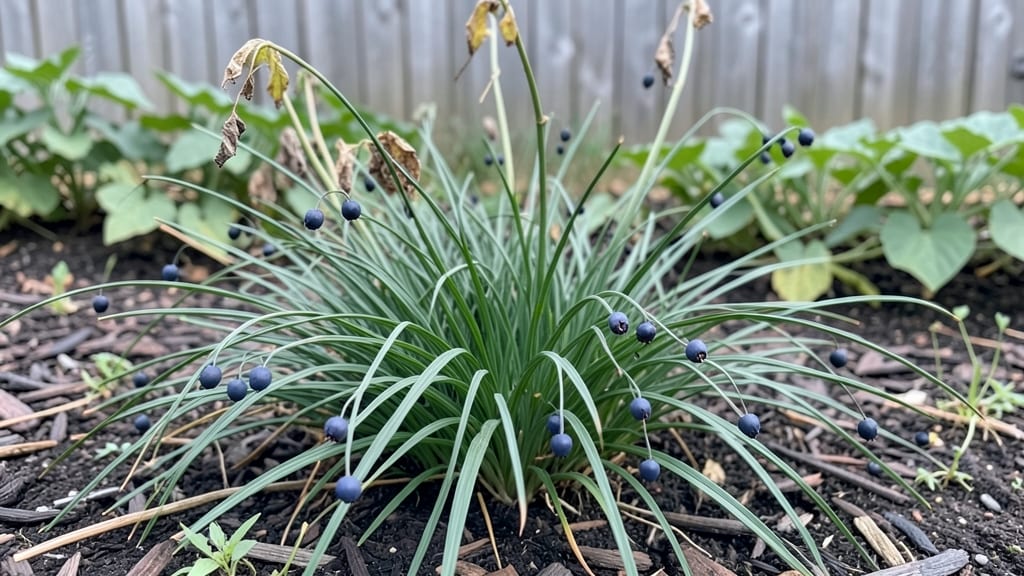
Growing a bead grass bush 🌿 adds silvery-blue texture to your garden with almost no effort—it thrives in poor soil, survives droughts, and stays lush through all four seasons.
Picture this: a low-maintenance plant that never needs deadheading, repels pests, and still looks stunning in USDA Zone 6a winters. That’s the magic of bead grass bush, a secret weapon for gardeners who want beauty without the fuss.
Planting is simple—just pop it in the ground between April and May, give it full sun, and forget about it. No pruning, no fussing, just year-round interest that keeps your landscape looking polished with minimal work.
In this guide, I’ll walk you through everything from soil prep to styling tips, so you can turn your yard into a drought-resistant oasis that actually stays green.
Why bead grass bush stands out as a drought-tolerant garden star
The bead grass bush (Sporobolus heterolepis) isn't just another ornamental grass—it's a drought-resistant powerhouse that thrives where others falter. With its arching plumes and silvery-blue foliage, this plant adds year-round texture to gardens while demanding minimal care.
Native to North America, it’s perfectly adapted to hot, dry climates and poor soil conditions, making it a favorite for modern, low-water landscapes.
What truly sets this plant apart is its compact yet airy growth habit. Unlike sprawling grasses, the bead grass bush stays neat and contained, reaching 2-3 feet tall with a 2-3 foot spread.
Its delicate seed heads sway gently in the breeze, providing movement and interest long after flowering season ends. Plus, it’s a pollinator magnet, attracting bees and butterflies with its nectar-rich blooms.
This plant’s silvery-blue foliage creates a stunning contrast against deep greens and purples, making it a standout in containers, borders, or mass plantings. It also handles urban pollution and salty soils better than many ornamentals, earning it a spot in rooftop gardens and coastal landscapes.
Whether you’re designing a xeriscape or a pollinator-friendly meadow, this grass delivers effortless elegance with zero fuss.
Here’s why this plant is a garden essential for drought-prone areas:
One of my favorite features is how this plant adapts to various light conditions. While it thrives in full sun, it also tolerates partial shade, making it versatile for urban gardens or shaded patios.
In hot climates, its silvery foliage reflects sunlight, reducing heat stress on surrounding plants. This makes it a smart choice for heat islands in cities.
For those concerned about deer or rabbit damage, rest assured—this grass is highly resistant to browsing. Its tough, fibrous texture deters herbivores, so you won’t need to worry about fencing or repellents.
This trait alone makes it a low-stress addition to any landscape, especially in areas where wildlife pressure is high.
Beyond its practical benefits, the bead grass bush adds seasonal interest like no other. In spring and summer, its plumes turn golden-brown, creating a warm contrast against cooler foliage.
Even in winter, the arching stems provide structure and movement when other plants have gone dormant. It’s truly a year-round performer that keeps your garden dynamic.
If you’re designing a modern, minimalist garden, this plant is a game-changer. Its clean lines and airy texture complement sculptural plants, succulents, and native perennials beautifully. Pair it with lavender, yarrow, or Russian sage for a drought-tolerant masterpiece that requires almost no water once established.
The best part? It looks polished with zero effort, making it perfect for low-maintenance landscapes.
For container gardening, opt for smaller varieties like 'Cloud Nine' or 'Prairie Dropseed' to keep it manageable. Place it in well-draining pots with a fast-draining mix to prevent root rot. In ground plantings, space them 18-24 inches apart to allow for full growth without overcrowding.
Whether in a pot or the ground, this plant delivers big impact with minimal space.
In summary, the bead grass bush is a drought-resistant superstar that brings texture, movement, and pollinator support
How to plant, prune, and maintain bead grass bush for maximum impact
The bead grass bush (Sporobolus heterolepis) thrives with minimal fuss, making it perfect for busy gardeners. Its silvery-blue foliage and delicate seed heads add year-round texture, while its drought tolerance ensures it survives even in harsh conditions.
To unlock its full potential, focus on proper planting, seasonal pruning, and soil care—all while keeping maintenance simple.
Unlike high-maintenance plants, bead grass bush adapts to poor soil and low water, but it still rewards attention with lush growth. Whether you're planting in full sun or partial shade, these steps will help your bush stay vibrant and healthy.
Let’s dive into the essentials for a stunning, low-effort addition to your garden.
Step-by-Step Guide to Planting & Care
- Step 1: Choose the Right Location
Select a spot with 6+ hours of sunlight daily. While it tolerates partial shade, full sun enhances its silvery-blue hue and compact growth.
- Step 2: Prepare the Soil
Amend clay or sandy soil with compost to improve drainage. Bead grass bush prefers well-draining soil but thrives in average garden soil with minimal amendments.
- Step 3: Plant at the Right Depth
Dig a hole twice as wide as the root ball but only as deep. Gently remove the plant, loosen roots, and place it so the top sits level with the soil.
- Step 4: Water Thoroughly After Planting
Give your new plant a deep watering to settle the soil. After that, water only when the top 2 inches of soil are dry, typically once a week in summer.
- Step 5: Apply Mulch for Moisture Retention
Spread a 2-inch layer of mulch around the base (avoid touching the stem). This helps retain moisture and suppresses weeds without smothering the plant.
- Step 6: Prune in Late Winter or Early Spring
Cut back dead or brown foliage to 2-3 inches above ground. This encourages new growth and keeps the plant neat and tidy.
- Step 7: Fertilize Lightly in Spring
Use a balanced fertilizer (10-10-10) at half strength in early spring. Over-fertilizing can lead to excessive growth and weak stems.
- Step 8: Winter Care for Cold Climates
In USDA Zones 3-5, protect young plants with a light mulch layer. Mature plants are hardy to -20°F and typically need no extra care.
One of the biggest mistakes gardeners make is overwatering bead grass bush. While it’s drought-tolerant, it still needs even moisture during establishment. Let the soil dry slightly between waterings to prevent root rot—a common issue in heavy clay soils.
For maximum impact, pair your bead grass bush with purple coneflowers or black-eyed Susans. The contrast of its silvery foliage against deep blooms creates a striking visual effect. In containers, combine it with sedum or lavender for a low-maintenance drought-resistant combo.
If your bead grass bush starts turning brown or crispy, it’s likely underwatered or exposed to too much sun. Move it to a spot with partial afternoon shade or increase watering slightly. With the right care, this versatile ornamental grass will thrive for years with minimal effort.
🌿