
Plants
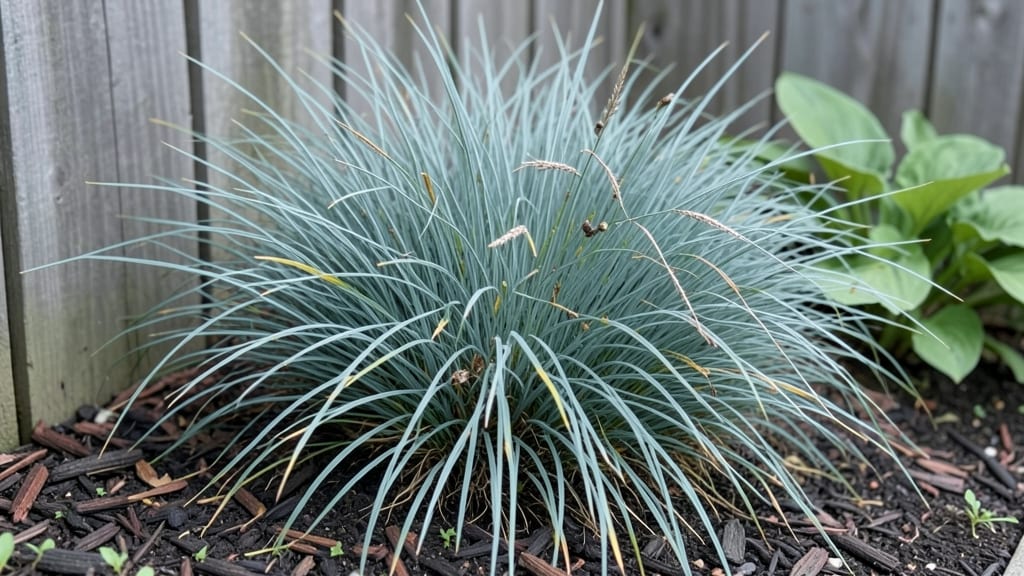
Berkeley sedge grass thrives in zone 6 and beyond with minimal fuss, making it the perfect grass for busy gardeners who want lush greenery without the mowing.
Picture this: a yard that stays vibrant through summer droughts, requires no fertilizer, and outshines traditional lawns in both beauty and resilience. That’s Berkeley sedge for you—a game-changer for landscapes where low-maintenance meets high-impact.
Unlike thirsty Kentucky bluegrass, this ornamental grass thrives on partial sun and tolerates dry spells, making it ideal for diverse climates from coastal California to the Midwest. Plant it in spring, and you’ll enjoy year-round greenery with almost no upkeep.
In this guide, I’ll walk you through the ideal planting window, soil prep secrets, and the three key maintenance tips that keep Berkeley sedge looking its best—no matter where you live.
Berkeley sedge grass planting zones: best climate conditions for thriving growth
Berkeley sedge grass (Carex 'Berkeley White') thrives in USDA hardiness zones 5 through 9, making it versatile for gardeners across the U.S. Its adaptability to cool northern climates and hot southern regions ensures lush growth year-round with minimal fuss.
Understanding your specific microclimate—sun exposure, soil type, and seasonal shifts—will determine how quickly and vigorously your plants establish.
This ornamental grass excels in partial shade to full sun, but its tolerance for drought conditions and urban pollution makes it ideal for city landscapes and rural gardens alike.
In zones 5-6, focus on protecting young plants from late spring frosts, while zones 7-9 require shade protection during peak summer heat to prevent leaf scorch.
For gardeners in zones 5-6, prioritize early spring planting (after last frost) to give roots time to establish before winter. Amend heavy clay soils with compost or sand to improve drainage, which is critical for preventing root rot in cooler climates. In zones 7-8, you can extend your planting window into early fall, but avoid late summer heatwaves that stress young plants. In zone 9, where summers are intense, plant Berkeley sedge in morning sun with afternoon shade to prevent leaf burn. This grass thrives in well-draining, slightly acidic soil (pH 6.0-7.0), so test your soil and adjust with lime or sulfur if needed. A 2-inch layer of mulch will retain moisture and regulate soil temperature year-round. Microclimates matter more than hardiness zones for Berkeley sedge. For example, a northern exposure in zone 7 may require extra shade, while a southern-facing slope in zone 5 could handle more sun. Always observe your garden’s specific conditions for the first two growing seasons to fine-tune care. Cold-hardy varieties like Berkeley sedge can handle light frosts once established, but young plants need protection. In zones 5-6, cover plants with burlap or frost cloth during unexpected late frosts (below 20°F). In zones 7-9, focus on consistent moisture during heatwaves, as drought stress reduces cold tolerance. Seasonal adjustments are key: Spring is ideal for planting, but fall works in milder zones. In zones 5-6, fall-planted sedges may not fully establish before winter, so prioritize spring. Meanwhile, zone 9 gardeners can plant in late winter to take advantage of cooler temperatures and reliable rainfall. Berkeley sedge’s drought tolerance makes it perfect for water-wise gardens, but newly planted clumps need consistent moisture for the first 6-8 weeks. In hot, dry zones (7-9), water deeply every 5-7 days during establishment, then taper to weekly once roots are strong. Overwatering is just as harmful as underwatering—always check soil moisture 2 inches deep before watering. To maximize growth, pair Berkeley sedge with companion plants that share similar needs: hostas for shade, lavender for drought resistance, or ferns for moisture retention. This low-maintenance grass will reward
Climate Factor
Zones 5-6
Zones 7-8
Zones 9
USDA Hardiness Zone
5-6 (-20°F to -10°F)
7-8 (0°F to 20°F)
9 (20°F to 30°F)
Sun Exposure
Partial shade (3-4 hrs sun)
Partial sun (4-6 hrs sun)
Morning sun, afternoon shade
Soil Type
Well-draining loam
Sandy loam or clay
Moist, well-draining
Water Needs
Weekly deep watering
Every 5-7 days
Every 7-10 days
Best Planting Window
Early spring (May) or fall (Sept)
Spring (April) or early fall (Oct)
Late winter (Feb) or early spring (March)
Winter Care
Mulch heavily (3-4 inches)
Minimal mulch (1-2 inches)
No mulch needed
Heat Tolerance
Moderate (needs shade)
High (after establishment)
Very high (drought-resistant)
Step-by-step Berkeley sedge grass installation guide: from soil prep to final touches
Berkeley sedge grass (Carex 'Berkeley White') thrives with the right installation—soil prep and planting timing make all the difference. Unlike traditional lawns, this ornamental grass adapts to sandy loam or clay-heavy soils, but proper amendments ensure faster establishment.
Whether you’re planting in spring or fall, follow these steps to create a lush, low-maintenance landscape that stays green year-round.
Start by testing your soil drainage—Berkeley sedge hates soggy roots. If your soil compacts easily, mix in 2-3 inches of compost or perlite to improve aeration.
For clay soils, add coarse sand or gravel to prevent waterlogging. The key is well-draining yet moisture-retentive soil, which mimics its native wetland edges.
🌱 Step-by-Step Berkeley Sedge Planting Process
- 1 Choose the right timing: Plant in early spring (after last frost) or early fall (6-8 weeks before first frost). Spring ensures summer establishment; fall reduces summer stress.
- 2 Mark spacing: Dig holes 12-18 inches apart (closer for dense ground cover, wider for air circulation). Use a spade to mark a grid for uniformity.
- 3 Amend the soil: Loosen soil to 12 inches deep and mix in 1 part compost to 3 parts native soil. For sandy soils, add peat moss to retain moisture.
- 4 Plant carefully: Remove sedge from pots and place in holes, ensuring the crown sits ½ inch above soil. Backfill with amended soil and gently tamp to eliminate air pockets.
- 5 Water deeply: Soak the soil until 6 inches deep (use a probe to check). Water morning-only to prevent fungal diseases and reduce evaporation.
- 6 Mulch for retention: Apply 2-3 inches of shredded bark or pine straw to suppress weeds and retain moisture. Keep mulch 2 inches away from stems to avoid rot.
- 7 Monitor growth: Check soil moisture weekly for the first month. Adjust watering if leaves yellow (overwatered) or brown (underwatered). Fertilize once in spring with 10-10-10 for slow-release nutrients.
After planting, avoid heavy foot traffic for 4-6 weeks to let roots establish. Berkeley sedge spreads slowly but fills in beautifully—prune back by ⅓ in early spring to encourage bushier growth. For drought-prone areas, group plants with hostas or ferns to create a moisture-retentive microclimate.
In USDA Zones 5-9, fall planting offers a head start—cooler temps reduce transplant shock. If you’re in Zone 10+, plant in late summer to avoid extreme heat.
The secret to success? Consistency: Stick to your watering schedule and mulch routine, and you’ll enjoy year-round greenery with minimal effort.
Pro tip: Use drip irrigation for large installations—it delivers deep, even watering without wasting resources. Berkeley sedge’s drought tolerance kicks in after the first year, but young plants need regular moisture to thrive.