
Transplanting
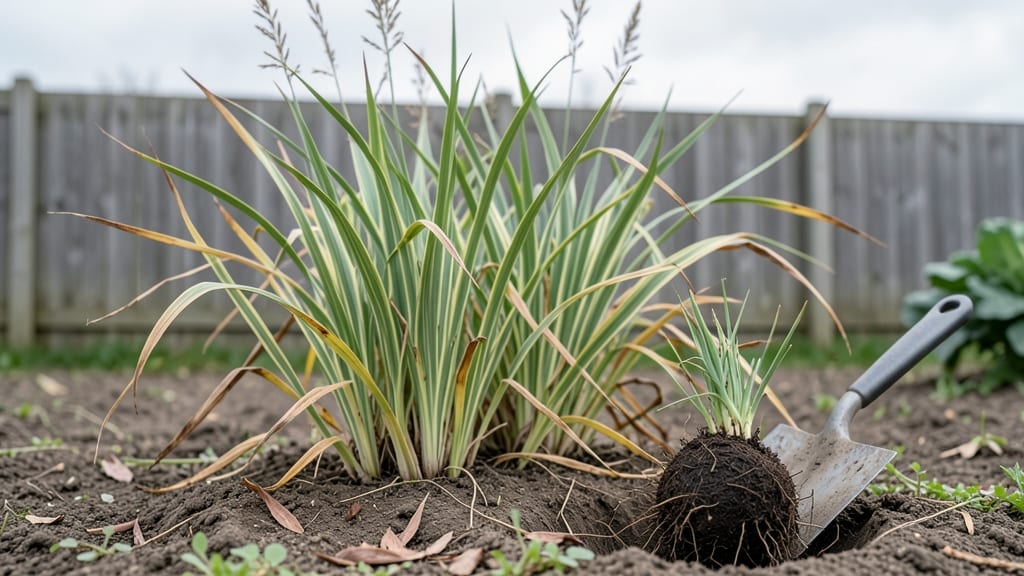
Transplanting ornamental grass the right way means you'll have lush, established clumps within a single growing season—no more patchy, struggling transplants that take years to fill in.
I’ve moved fountain grass, maiden grass, and even feathery varieties without a single brown patch, and it comes down to three key factors: timing, soil prep, and how you handle those roots. The biggest mistake?
Waiting until summer heat or winter freeze to dig them up, which stresses plants into dormancy before they’ve had a chance to settle in.
Start with the right tools—a sharp spade, a wheelbarrow for hauling, and a 5-gallon bucket of water to keep roots damp during the move. Loosen the soil around the grass a full 12 inches deep a week before transplanting so roots aren’t ripped free when you dig.
For clumping grasses, dig a square hole (not circular) to preserve the root structure, and keep the top of the root ball level with the surrounding soil—never deeper, or you’ll suffocate the crown.
Spacing matters too: give fountain grasses 3–4 feet of room, while maiden grass can stretch to 5 feet once mature.
After planting, water deeply for 10–15 minutes to eliminate air pockets, then mulch with 2–3 inches of shredded bark to retain moisture and block weeds. Skip the fertilizer for the first 6 weeks—new roots need energy to grow, not blooms.
You’ll know it’s working when you see fresh, bright green growth within 3–4 weeks, and by next season, your grass will look like it’s been there for years. The secret isn’t brute force; it’s patience and prep.
This method works for spring, fall, or even mild-winter zones—just avoid extreme heat or frost. For varieties like blue fescue or little bluestem, which have shallow roots, be extra gentle during transplanting.
The payoff? A garden edge that stays vibrant, low-maintenance, and drought-tolerant once established. Let’s get those grasses thriving without the stress.
📚 In This Guide
- What you need
- Instructions
- Tips and common mistakes
- Wrapping up and next steps
What you need
- ● Ornamental grasses: Choose healthy, mature plants (1–3 years old) with well-developed root systems. Quantity depends on your design—plan for spacing (12–36 inches apart, depending on variety).
- ● Shovel or transplant spade: A sharp, 6–12-inch-wide spade for clean digging and minimal root disturbance.
- ○ Garden fork or dandelion digger: Optional but helpful for breaking up compacted soil around roots.
- ● Pruners or shears: For trimming dead foliage or overgrown clumps before transplanting.
- ● Garden hose with nozzle: For thorough watering (aim for deep, slow soaking).
- ● Compost or high-quality organic soil: 5–10 gallons, mixed with existing soil for nutrient boost.
- ○ Mulch (optional but recommended): 2–3 inches of shredded bark, straw, or pine needles to retain moisture.
- ● Weather check: Transplant on a cool, overcast day (avoid midday heat or frost).
- ● Soil prep: Test soil pH (ideal range: 6.0–7.0) and amend if needed (e.g., lime for acidity).
- ● Watering schedule: Water the original location 1–2 days before transplanting to hydrate roots.
- ○ Staking (optional): Use 3–4 ft bamboo stakes for tall grasses (e.g., maiden grass) to prevent flopping.
Step-by-Step instructions for transplanting ornamental grass
Here's how I move ornamental grasses without shocking their roots or sacrificing their striking form.
Choose the Right Time and Prepare the New Location
Transplant ornamental grasses during their dormant season—either early spring before new growth begins or late fall after foliage yellows. Avoid transplanting in summer heat or winter freezes, as stressed roots won't recover. Select a spot with similar sunlight exposure to the original location; most ornamental grasses thrive in full sun to partial shade but won't tolerate sudden shifts from deep shade to full sun.
Loosen the soil in the new planting area with a garden fork to a depth of 12 inches, breaking up compacted layers. Mix in 2 inches of compost to improve drainage and fertility, but avoid heavy amendments like peat moss, which can compact. Water the area thoroughly 24 hours before transplanting to reduce shock when you move the grass. The soil should feel uniformly moist but not soggy—like a wrung-out sponge.
Dig Up the Grass Carefully to Preserve the Root Ball
Water the grass deeply the day before transplanting to soften the soil and make the root ball easier to extract. Use a sharp spade to cut a 6-inch-wide circle around the grass, slicing 8-12 inches deep to capture most of the root system. Lift the grass gently by grasping the base of the clump and rocking it side to side—don’t pull upward, which can shear roots. If the root ball resists, use the spade to loosen the edges further.
Shake off excess soil to assess the root system. A healthy clump will have a dense network of fibrous roots extending outward. Trim any broken or circling roots with clean pruners, but leave at least half the root ball intact. Wrap the root ball in a burlap sack or damp towel to keep it moist during transport. If transplanting in hot weather, work in the early morning or late afternoon to prevent wilting.
Plant at the Same Depth and Firm the Soil
Position the grass in its new hole so the top of the root ball sits flush with the surrounding soil level—never deeper, as this can suffocate the crown. The crown is the point where the roots meet the foliage, and burying it invites rot. Backfill with the native soil you removed, tamping lightly with your hands to eliminate air pockets. Avoid compacting too firmly, as ornamental grasses prefer loose, aerated soil.
Water immediately after planting to settle the soil and eliminate air gaps. Use 1 gallon of water per clump and let it soak in completely. Mulch the base with 1 inch of shredded bark or straw, keeping it 3 inches away from the crown to prevent moisture buildup. This layer conserves soil moisture and regulates temperature, which is critical for recovery in the first 4-6 weeks after transplanting.
Adjust Watering and Maintenance for Recovery
Water deeply every 3-4 days for the first month, ensuring the soil stays consistently moist but not waterlogged. You’ll know you’ve got it right when the top 2 inches of soil feel damp but not saturated. Reduce watering gradually over the next 2-3 weeks as new growth appears. Avoid fertilizing during the first 6 weeks—the grass is already stressed, and nutrients will encourage tender, weak growth.
Refrain from pruning until the grass shows new growth in spring or early summer, signaling it’s fully established. If the foliage turns brown and crispy after transplanting, it’s normal—this is the grass conserving moisture. Only trim dead foliage once 50% of the clump regreens. Most ornamental grasses rebound beautifully once their roots re-establish, often looking better than ever in their new home.
Tips & tricks for perfect ornamental grass transplanting
A few strategic moves can make all the difference between a struggling transplant and a thriving ornamental grass that looks even better in its new home.
The 24-Hour Prep Advantage: That 24-hour watering before transplanting isn't just about convenience—it's about creating the perfect conditions. The soil should be uniformly moist but not soggy, like a wrung-out sponge. This hydration helps the root ball slide out cleanly in Step 2 while minimizing root damage. I've found that testing soil moisture with your finger at this stage prevents both under-watering (which causes stress) and over-watering (which can lead to anaerobic conditions that harm roots).
Root Ball Preservation Technique: When digging that 6-inch-wide circle around your grass in Step 2, think of it as creating a protective cocoon for the roots. The key is to maintain at least half the root ball intact—this fibrous network is what will anchor your grass in its new home. I've learned the hard way that circling roots (those that grow in tight loops) should be trimmed with clean pruners, as they'll continue growing in circles underground and strangle the plant. This simple step can mean the difference between a plant that struggles and one that thrives.
Crown Positioning Critical: Never bury the crown when planting in Step 3—this is where the roots meet the foliage, and covering it invites rot. The crown should sit flush with the surrounding soil level. To visualize this, imagine the crown as the "waistline" of the plant: too high and it'll dry out, too low and it'll suffocate. After planting, that gallon of water per clump isn't just for settling soil—it's creating a moisture reservoir that helps the roots establish contact with the surrounding soil.
Recovery Period Insight: The first 6 weeks after transplanting are critical, but most gardeners make one common mistake—they fertilize too soon. During this time, your grass is already stressed from the move, and adding nutrients will encourage tender, weak growth. Instead, focus on consistent moisture (every 3-4 days) and patience. I've seen grasses that looked completely dead after transplanting rebound beautifully once their roots re-established, often looking better than ever in their new location.
Pro Tips for Transplant Ornamental Grass
- A few strategic moves can make all the difference between a struggling transplant and a thriving ornamental grass that looks even better in its new home.
- The 24-Hour Prep Advantage: That 24-hour watering before transplanting isn't just about convenience—it's about creating the perfect conditions.
- Root Ball Preservation Technique: When digging that 6-inch-wide circle around your grass in Step 2, think of it as creating a protective cocoon for the roots.
Frequently asked questions
Got questions about transplanting ornamental grass? You’re not alone! Here are some of the most common concerns—and their solutions—to help you achieve a lush, low-stress transplant every time.
When is the best time to transplant ornamental grass?
The ideal window is early spring or fall when temperatures are mild (50–75°F) and soil is workable. Avoid extreme heat or frost—these stress plants and slow root recovery. Pro tip: If transplanting in summer, do it early morning or late evening to reduce heat shock.
Can I transplant ornamental grass in winter?
Transplanting in winter is possible but risky. Cold soil and dormancy can delay root establishment. If you must, choose mild winter regions (Zones 7–10) and protect the plant with mulch or burlap until spring. Alternative: Wait until early spring for better success.
How do I prepare the new planting site for minimal soil stress?
Start by amending the soil with compost or peat moss to improve drainage and fertility. Remove weeds, loosen soil 12–18 inches deep, and water the area 1–2 days before transplanting to reduce shock. Bonus: Add a slow-release fertilizer at half-strength to support new growth.
Why is my transplanted ornamental grass turning brown or dying?
Brown patches often signal transplant shock, underwatering, or root damage. Check for:
- Underwatering: Keep soil consistently moist (not soggy) for 4–6 weeks post-transplant.
- Overwatering: Root rot thrives in waterlogged soil—ensure proper drainage.
- Sunburn: If leaves scorch, provide light shade for a week or two.
Most grasses recover in 2–4 weeks if conditions improve.
What’s a low-maintenance alternative to traditional ornamental grass?
If you want minimal upkeep, consider:
- Miscanthus sinensis (hardy, drought-tolerant)
- Carex (sedges) (shade-friendly, low-water)
- Pennisetum (fountain grass) (fast-growing, resilient)
These varieties thrive with less frequent dividing and adapt well to various soil types.
Wrapping up and next steps
Transplanting ornamental grass doesn’t have to be a seasonal gamble—with the right techniques, you can achieve year-round vitality while minimizing stress on your plants. Whether you’re reviving a struggling clump or expanding your garden’s texture, timing, soil prep, and gentle handling are your best allies.
Now’s the perfect moment to roll up your sleeves: grab those shears, hydrate your grass, and watch your landscape transform with confidence and care!
Next step: Pick a sunny day, prep your tools, and start with one section at a time—your future lush borders will thank you! 🌿✨