
How To
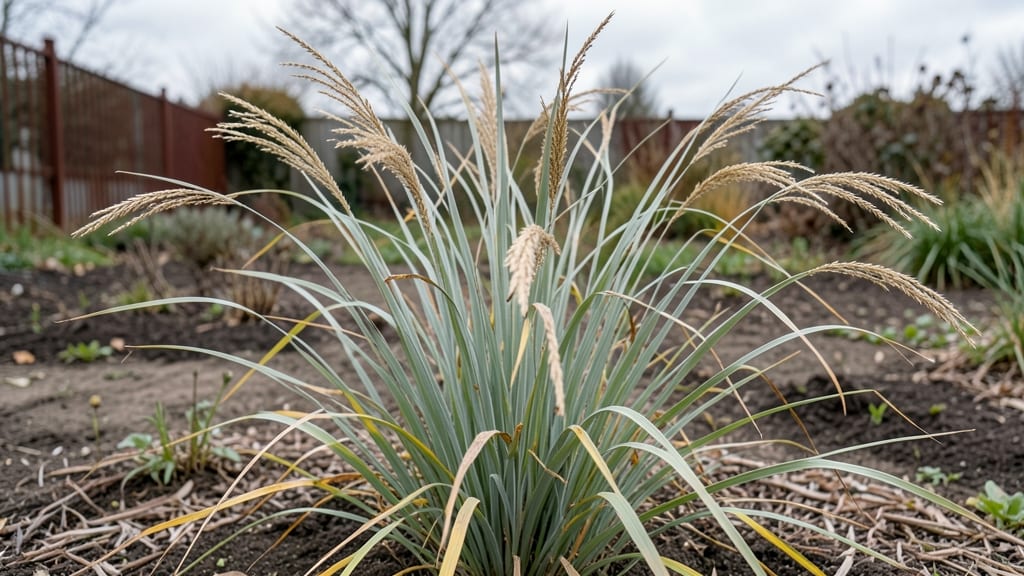
Maiden grass isn't just one-size-fits-all—its height depends entirely on the specific cultivar you choose. 🌿 For instance, Miscanthus sinensis 'Zebrinus' stays compact around 3 to 4 feet, while Miscanthus giganteus can shoot up to 12 feet in perfect conditions, though it's rare.
What's fascinating is how these grasses adapt: in cooler climates, growth may be stunted by 1 to 2 feet, while rich, well-drained soil can push heights to their upper limits.
If you're planning your garden layout, consider both the mature height and how much space each variety needs to spread.
Another key factor is growth habit—some varieties like Miscanthus sinensis 'Malepartus' grow in upright clumps, while others like Miscanthus sacchariflorus develop arching, feathery plumes that can add dramatic movement to your landscape.
These differences aren't just about aesthetics; they also affect how much maintenance you'll need to keep the grass looking its best year after year. 💫
💡 In This Article
- Maiden Grass Variety Height Breakdown
- Pruning and Maintenance for Optimal Height Control
Maiden grass variety height breakdown
Maiden grass varieties exhibit dramatic height differences based on their genetic makeup and growing conditions. The Miscanthus sinensis family alone spans from dwarf cultivars like 'Little Kitten' (reaching just 1 to 2 feet) to towering 'Malepartus' varieties that can exceed 6 feet in height.
What's particularly striking is how Miscanthus giganteus—often called "giant maiden grass"—can grow 10 to 12 feet tall in optimal climates, though this is rare outside its native regions.
These differences aren't just about stature; they reflect variations in growth rates, with some varieties adding 2 feet per year while others mature more slowly.
The growth habit also plays a critical role in height perception. Upright varieties like 'Gracillimus' grow in stiff, vertical clumps that can feel almost architectural, while arching types like 'Sacchariflorus' develop 3 to 5-foot plumes that sway dramatically in the wind.
Soil fertility makes a noticeable difference too—plants grown in well-drained, nutrient-rich soil can reach their maximum height, while those in poorer conditions may stay 20-30% shorter. For example, 'Zebrinus' typically hits 4 to 5 feet in ideal conditions but may only reach 3 feet in cooler, less fertile climates.
Climate is another major factor, with temperature and sunlight directly influencing height potential. Maiden grass thrives in USDA Zones 5-9, where it receives 6 to 8 hours of sunlight daily.
In cooler zones (like Zone 5), growth may be stunted by 1 to 2 feet compared to warmer regions (Zone 9).
The grass's natural dormancy in winter also affects height—some varieties like 'Cabaret' grow 5 to 6 feet in a single season but may die back completely in harsh winters, only to regrow from the base in spring. This seasonal cycle is why many gardeners prefer shorter varieties for colder climates.
For visual impact, consider how height affects landscape design. A 6-foot variety like 'Malepartus' creates a bold vertical accent, while 3-foot dwarf types work well in borders or containers.
The key is matching the variety to your space—tall grasses need at least 3 feet of clearance above them to prevent flopping, while dwarf types can be planted closer to pathways or foundations.
Even within the same species, height can vary by 1 to 2 feet depending on these factors, so always check the specific cultivar's mature height before planting.
One often-overlooked detail is how maiden grass spreads. Most varieties form clumping growth habits, meaning they don't spread aggressively like some ornamental grasses. However, Miscanthus sacchariflorus can develop 3 to 4-foot-wide clumps over time, which affects how much space you allocate.
This clumping nature also means you can easily control height through selective pruning—cutting back 1/3 of the plant in early spring can encourage bushier, more compact growth without sacrificing the dramatic plumes that add winter interest.
If you're designing a garden with maiden grass, think about layering heights for texture and movement. Pairing a 4-foot upright variety like 'Zebrinus' with a 2-foot dwarf type creates visual depth, while adding a 6-foot arching variety introduces dynamic motion.
The contrast between rigid and feathery forms adds another dimension to your landscape design. 🌿