
How To
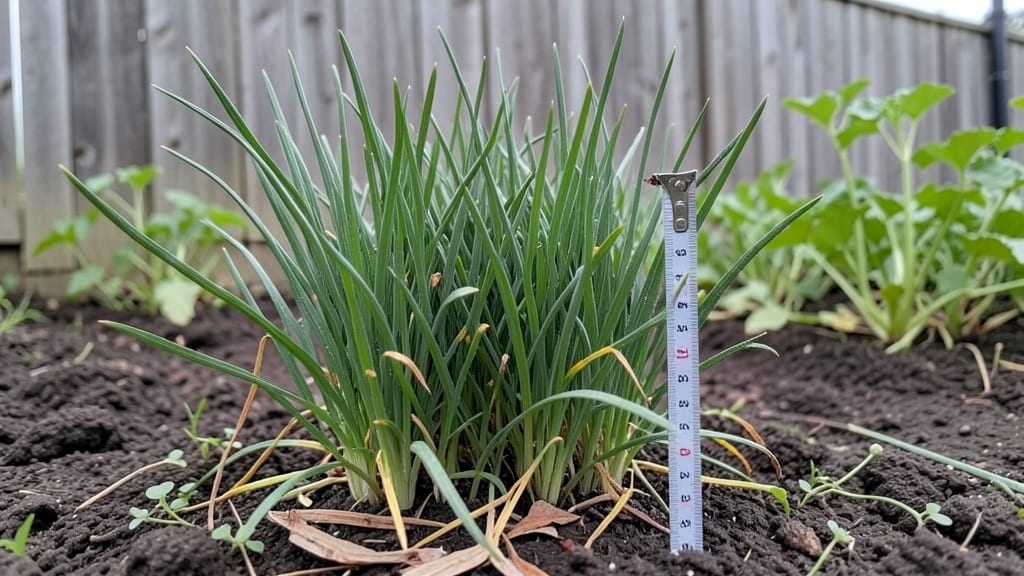
Rye grass height depends heavily on its type and growing conditions. Annual varieties like cereal rye can shoot up to 4 feet in ideal climates, while perennial types stay more compact at 1-2 feet.
The rapid growth you see in spring and fall happens because these grasses take full advantage of longer daylight and warmer temperatures during those seasons. 💫 For landscaping purposes, I always recommend checking your specific variety—some blends are bred to stay shorter for easier maintenance.
What's fascinating is how rye grass adapts to different environments. In cooler northern climates, perennial ryegrass often grows taller than expected because it stretches to capture more sunlight. Meanwhile, in southern regions, annual types might max out at 36 inches due to heat stress.
Proper soil preparation and regular watering can push growth limits even further, but over-fertilizing can lead to weak stems that flop under their own weight.
💡 In This Article
- Rye Grass Variety Height Comparison Guide
- Optimizing Rye Grass Growth for Maximum Height
Rye grass variety height comparison guide
Here's what sets rye grass varieties apart in height: Cereal rye dominates as the tallest, shooting up to 48 inches under optimal conditions. This annual variety grows aggressively to maximize seed production, often reaching heights comparable to wheat.
In contrast, perennial ryegrass stays more compact at 12-24 inches, forming dense, low-growing turf that resists mowing damage. The key difference lies in their growth cycles—annuals prioritize rapid vertical growth for reproduction, while perennials invest in horizontal spread for stability.
Italian ryegrass falls in the middle, typically growing 24-36 inches tall. This variety's height makes it popular for cover crops and temporary pastures, where its medium stature balances erosion control with manageable harvesting.
What's fascinating is how fine fescue blends—often mixed with ryegrass—stay the shortest at 8-16 inches, creating a velvety, low-maintenance lawn texture. These shorter varieties thrive in cooler climates where their compact growth conserves energy for root development rather than vertical elongation.
The science behind these height differences comes down to photosynthesis efficiency and stem structure. Taller varieties like cereal rye develop hollow, fibrous stems that can support greater height without collapsing, while shorter types like fine fescue have thicker, more rigid stems that distribute weight better.
In drought conditions, taller varieties may struggle to maintain their height due to water demands, while shorter types often outlast them by prioritizing root depth over vertical growth.
Climate plays a surprising role in height variation. In northern regions, perennial ryegrass often exceeds its typical 24-inch range, stretching toward 36 inches to capture more sunlight during short growing seasons.
Meanwhile, in southern climates, annual varieties may max out at 36 inches due to heat stress, which stunts their ability to elongate. This regional adaptation explains why some lawns in different zones look dramatically different even with the same seed mix.
For practical purposes, these height differences impact everything from mowing frequency to erosion control. Cereal rye's towering growth makes it ideal for cover cropping in agriculture, where its height helps suppress weeds. In contrast, fine fescue blends require mowing only every 2-3 weeks, making them perfect for low-maintenance landscapes.
The choice between varieties often comes down to whether you prioritize height for coverage or compactness for ease of care.
One common misconception is that taller rye grass always means healthier growth. In reality, over-fertilization can cause stems to grow too quickly, leading to weak, floppy blades that require more frequent mowing.
The sweet spot lies in balanced nutrition—providing enough nitrogen for height while ensuring proper potassium and phosphorus for stem strength. This balance prevents the "lodging" (falling over) that plagues many tall rye grass varieties in windy conditions.