
Lawn
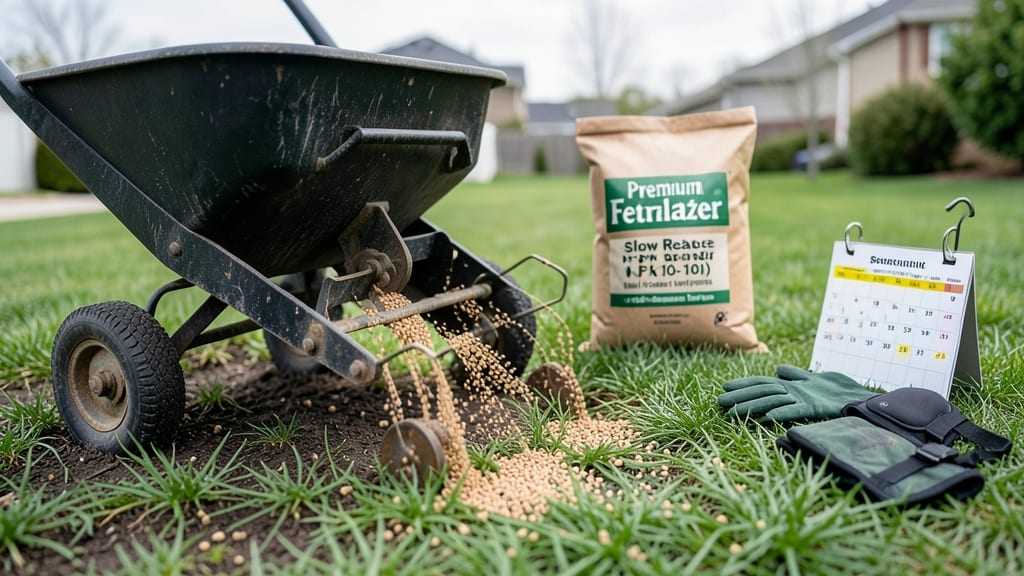
The best time to fertilize lawn depends on your grass type and season — cool-season grasses like Fescue thrive in early spring and fall, while warm-season Bermuda needs summer feeding.
Miss the window, and you risk burning your lawn or wasting fertilizer on dormant grass. I’ve seen neighbors spend $100 on spring fertilizer only to watch it wash away before the grass even wakes up.
In this guide, I’ll break down the ideal schedule for both grass types, plus how to spot when your lawn actually needs feeding (hint: it’s not always what the calendar says).
You’ll also learn how to adjust for your climate, avoid over-fertilizing, and pick the right product for your yard’s needs — no guesswork, just a lush, green lawn all season long.
Optimal fertilization timing by grass type and season
Understanding your grass type is the first step to fertilizing at the right time. Cool-season grasses like Kentucky Bluegrass and Fescue thrive in moderate temperatures, while warm-season grasses such as Bermuda and Zoysia peak in hot summer months.
Each type has distinct growth cycles that dictate when to feed for maximum results.
Fertilizing at the wrong time can waste nutrients or even harm your lawn. Early spring and fall are typically the best windows for most grasses, but warm-season varieties often need summer feeding. Let’s break down the ideal schedule by season and grass type to keep your lawn lush year-round.
🌱 Key Rule: Always fertilize when your grass is actively growing—not during dormancy. For cool-season grasses, this means spring and fall, while warm-season grasses need feeding in late spring through summer.
For cool-season grasses, the first fertilization should happen in early spring (March-April) as temperatures rise. This jumpstarts new growth after winter dormancy. A second application in late summer (August) helps rebuild roots, and a third in fall (September-October) ensures strength before winter.
Warm-season grasses, on the other hand, need their first feeding in late spring (May) when soil warms to 65°F+. Summer feedings (June-August) keep them vibrant, but avoid fertilizing in fall—this grass type goes dormant as temperatures drop.
A light early spring touch-up may help wake them up, but focus on summer care.
Regional climate plays a huge role. In northern states, cool-season grasses dominate, while southern lawns often feature warm-season types.
If you’re in a transition zone (like the Midwest), you might need a hybrid approach—fertilizing for both spring and summer growth while avoiding late-season applications that can promote weak fall growth.
Pro Tip: Always water your lawn deeply after fertilizing to help nutrients absorb into the soil. For cool-season grasses, aim for 1 inch of water within 24 hours. Warm-season grasses may need more frequent watering (2-3x weekly) during summer heat to prevent fertilizer burn.
Watch for signs of over-fertilization, like brown patches or excessive growth. If your lawn looks yellow or sparse, it might need a soil test to check nutrient levels.
Adjust your schedule based on your grass’s response—some types thrive on monthly feedings, while others do better with bi-monthly applications.
Finally, avoid fertilizing during drought or extreme heat. Stress weakens grass, making it more susceptible to burn or nutrient runoff. Always check the weather forecast and adjust timing if rain is expected within 48 hours—this gives nutrients time to soak in properly.
Signs your lawn needs fertilizer (and when to avoid it)
Your lawn sends clear signals when it's hungry for nutrients. Yellowing patches, slow recovery after mowing, or thin spots where weeds invade are classic signs your grass isn't getting enough nitrogen, phosphorus, or potassium.
But before reaching for fertilizer, rule out other issues like disease, pests, or poor soil drainage—these need different solutions.
Timing matters just as much as the product. Applying fertilizer at the wrong time—like during drought stress or extreme heat—can burn grass roots instead of nourishing them. Similarly, fertilizing too late in fall or too early in spring might waste nutrients before the grass can use them.
When Is Best to Fertilize Lawn?
✅ Pros of Timely Fertilization
- Vibrant green color year-round
- Stronger root growth for drought resistance
- Faster recovery after mowing
- Weed suppression from dense grass
❌ Cons of Poor Timing
- Grass burn from heat or drought
- Wasted nutrients if applied too early
- Encourages weed growth in fall
- Environmental runoff risks
Cool-season grasses like Kentucky Bluegrass and Fescue thrive with fall fertilization (September-October), while warm-season types like Bermuda need feeding in late spring to early summer. Always check your grass type—mixing up timing can stress your lawn.
Watch for over-fertilization signs too: dark green patches that feel spongy, excessive thatch buildup, or brown tips after watering. These mean you've overdone it. In such cases, reduce application rates and increase watering to flush excess nutrients from the soil.
Weather plays a critical role. Avoid fertilizing before heavy rain (it washes away nutrients) or during drought conditions (it concentrates salts). Early morning applications let nutrients soak in before heat evaporates moisture, while evening fertilizing risks fungal growth.
For maximum results, pair fertilization with soil testing (every 2-3 years) to adjust pH and nutrient ratios. A balanced 16-4-8 fertilizer works for most lawns, but slow-release options reduce burn risks in hot climates. When in doubt, start light—you can always add more later.