
Lawn
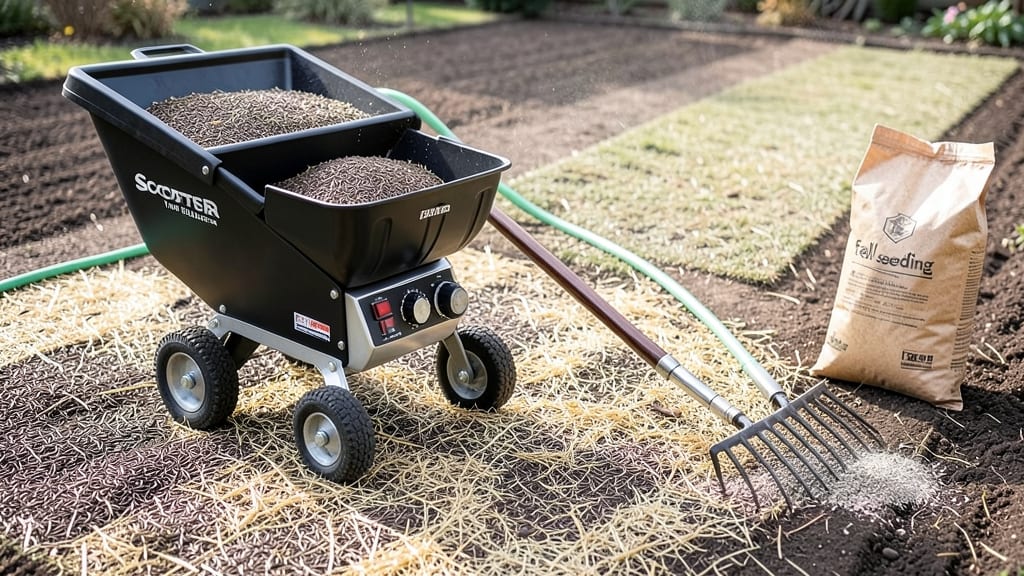
Late fall lawn seeding gives you a head start on spring—cooler temps and fewer weeds mean stronger roots before summer heat arrives. 🌱 I learned this the hard way after my spring seeding battle with crabgrass, but now my lawn greens up thick and stays lush through droughts. The secret?
Timing between first frost and ground freezing, when seeds germinate slowly but steadily without competing weeds. You’ll need a core aerator to loosen compacted soil, a rake to smooth the surface, and quality cool-season grass seed—think Kentucky bluegrass or tall fescue for Northern climates.
Skip the spring rush: fall lets seeds establish 6-8 weeks of growth before winter dormancy, while spring seedlings often struggle to catch up. By late spring, you’ll see a lawn so dense it crowds out weeds naturally.
The grass handles summer heat better, recovers faster from foot traffic, and stays vibrant through fall. No more patchy, thin lawns that look like a golf course rough—just a thick, resilient carpet underfoot.
Works best in USDA zones 3-8, but even Southern gardeners can try it if they seed early enough. Just watch for early frosts and protect young seedlings with a light straw mulch if needed.
📚 In This Guide
- What you need
- Instructions
- Tips and common mistakes
- Wrapping up and next steps
What you need
- ● Seed: Choose a cool-season grass blend (e.g., Kentucky bluegrass, fescue, or ryegrass). Quantity: 4–6 lbs per 1,000 sq ft (follow package instructions for exact rates).
- ● Topsoil or compost: Organic matter to improve soil quality. Quantity: ¼–½ inch layer over the seeded area.
- ● Lawn rake: Bow rake (for spreading seed) or garden rake (for leveling soil).
- ○ Broadcast spreader: Handheld or walk-behind for even seed distribution. Optional: Calibrate for your seed type.
- ● Water source: Hose with adjustable nozzle or sprinkler (oscillating or rotary).
- ○ Soil test kit (optional but recommended): Check pH (ideal: 6.0–7.0) and adjust with lime or sulfur if needed.
- ● Clear debris: Remove leaves, rocks, and weeds. Pro tip: Use a leaf blower or stiff rake for efficiency! 💡
- ● Loosen soil: Aerate 2–4 weeks before seeding (rent a core aerator or spike with a garden fork).
- ● Mow short: Cut grass to 1–1.5 inches to encourage seed-to-soil contact.
- ● Weather check: Seed when soil temps are 50–65°F and forecast calls for steady rain or ½ inch water/day.
- ● Starter fertilizer: Low-nitrogen (5–10%) to kickstart growth. Apply: ½ lb per 1,000 sq ft.
- ● Erosion control blanket: Burlap or biodegradable mesh for slopes or high-wind areas.
- ● Seed germination mat: Black plastic or fabric to retain moisture (remove after 4–6 weeks).
- ● Soil conditioner: Peat moss or coconut coir to improve water retention.
Step-by-Step instructions for seeding a lawn in late fall
Here's how to establish a thick, resilient lawn using cold-weather germination—my go-to method for fall seeding success.
🌱 Step 1: Prepare the Soil for Optimal Germination
Start by removing all existing vegetation, including weeds and grass clippings, using a rake or sod cutter. The goal is bare, exposed soil that's ready to receive seeds. I like to work in sections no larger than 10 feet by 10 feet to avoid missing spots or overworking the ground.
Loosen the top 4 inches of soil with a garden tiller or broadfork, breaking up compacted layers. This ensures seeds make contact with loose soil and have room to establish roots. After tilling, run a drag mat or rake over the area to create a fine, crumbly texture—think of it like preparing a soft bed for the seeds.
💧 Step 2: Choose the Right Seed and Apply Evenly
Select a cool-season grass seed blend suited to your climate, like tall fescue or Kentucky bluegrass. These varieties thrive in fall's cooler temperatures and establish roots before winter dormancy. Sprinkle the seed evenly using a broadcast spreader set to the recommended rate for your seed type—usually 4-6 pounds per 1,000 square feet.
Walk in a crisscross pattern to ensure even coverage, and avoid stepping on seeded areas. If you're seeding a large area, divide it into sections and work methodically to prevent overlapping or missed spots. A light layer of straw mulch (¼ inch thick) helps retain moisture and protect seeds from birds or wind.
☀️ Step 3: Water Gently and Consistently for Germination
Water the seeded area immediately after planting, keeping the top 1-2 inches of soil consistently moist until germination. Use a fine mist setting on your sprinkler to avoid dislodging seeds. The key is to keep the soil damp—not soggy—so seeds stay hydrated without rotting.
Water lightly twice daily (morning and late afternoon) for the first 2-3 weeks, adjusting as needed based on rainfall. You'll know you're doing it right when the soil surface looks uniformly damp but not glistening. Once seedlings reach 2 inches tall, reduce watering to once daily and gradually taper off as the grass matures.
⏰ Step 4: Monitor and Maintain Through Winter
Watch for the first signs of germination, which typically appear in 7-21 days depending on temperature and seed type. Young grass is delicate, so avoid heavy foot traffic or mowing until the blades reach 3-4 inches tall. At this point, mow with a sharp blade set to 3 inches high to encourage root growth and prevent disease.
Continue watering as needed, especially during dry spells, but reduce frequency as temperatures drop. In late fall, apply a light layer of compost to insulate the soil and protect seedlings from freezing. By spring, your lawn will be thick, resilient, and ready for regular maintenance.
Tips & tricks for perfect late fall lawn seeding
Fall seeding success isn't just about timing—it's about the details that make all the difference between patchy results and a lush, resilient lawn.
Soil Preparation Matters: In Step 1, when you're tilling that top 4 inches of soil, focus on creating a fine, crumbly texture rather than just breaking up clumps. I use a drag mat after tilling to achieve this—it mimics the perfect seed bed texture that seeds love. This step is critical because compacted soil can prevent seeds from making proper contact with moisture and nutrients, which is exactly what we want to avoid for optimal germination.
Seed Selection Strategy: While the instructions mention cool-season grass blends, here's what nobody tells you—if you're in a region with harsh winters, consider adding 10-15% ryegrass to your mix (optional). Ryegrass germinates faster and provides quick ground cover, protecting the slower-growing fescue or bluegrass varieties during winter. Just remember to adjust your seeding rate downward by that percentage to maintain proper coverage at the recommended 4-6 pounds per 1,000 square feet.
Watering Precision: The twice-daily watering in Step 3 is non-negotiable, but here's the secret: use a rain gauge to measure your water output. You want ¼ inch of water per session—that's about 15 minutes with a standard sprinkler. Too little and seeds dry out; too much and they'll rot. I set a timer to remind myself because it's easy to forget, especially when you're not seeing immediate results. The key is consistency—seeds need that steady moisture to sprout.
Winter Protection: That light layer of compost in Step 4 isn't just about insulation—it's also a natural fertilizer. When spring arrives, those composted materials will break down and feed your new grass. For extra protection in freezing climates, consider adding a thin layer of straw (about ½ inch) on top of the compost. This creates an insulating blanket that protects seedlings from temperature fluctuations while still allowing water to penetrate.
Pro Tips for Seeding A Lawn In Late Fall
- Fall seeding success isn't just about timing—it's about the details that make all the difference between patchy results and a lush, resilient lawn.
- Soil Preparation Matters: In Step 1, when you're tilling that top 4 inches of soil, focus on creating a fine, crumbly texture rather than just breaking up clumps.
- Seed Selection Strategy: While the instructions mention cool-season grass blends, here's what nobody tells you—if you're in a region with harsh winters, consider adding 10-15% ryegrass to your mix (optional).
Frequently asked questions
Got questions about seeding your lawn in late fall? You’re not alone—this method can feel tricky at first! Below, we’ve tackled the most common concerns to help you feel confident before you start.
Why seed in late fall instead of spring?
Late fall seeding (typically 4–6 weeks before the first hard frost) gives grass seeds a head start on root growth in cool, moist soil—ideal for establishing strong roots before winter. Spring seeding can struggle with weeds, drought, and uneven germination, while fall’s cooler temps reduce stress on young grass.
What’s the best time to seed in late fall?
Aim for 4–6 weeks before your area’s first hard frost (usually late September to early November in most U.S. regions). Check your local frost dates or seed package guidelines. If you miss this window, wait until early spring—just be prepared for more weed competition.
Do I need to water differently after fall seeding?
Yes! Keep the soil consistently moist (not soggy) for the first 2–3 weeks—water lightly daily (or twice daily in hot spells) to encourage germination. Once sprouts appear, reduce to 1–1.5 inches per week, including rainfall. A sprinkler with gentle mist works best.
Can I overseed an existing lawn in late fall?
Late fall is perfect for overseeding to fill thin spots. Mow your lawn short (1–1.5 inches), rake to loosen soil, spread seed, and top-dress with compost or straw. Just avoid seeding if your lawn has active fungal issues (like brown patch)—wait until spring instead.
Will pests or weeds be a problem after fall seeding?
Fall seeding reduces weed competition since most weeds go dormant in cold weather. However, watch for voles or birds stealing seed—use temporary netting if needed. If you see pests after germination, a light application of grass-safe granular fertilizer can deter them.
What if winter hits before my grass establishes?
Don’t panic! Grass seeds can survive light frosts if they’ve sprouted and developed roots. For extra protection, apply a thin layer of straw (not mulch) after seeding to insulate soil. If snow covers the area, it’s actually helping—just avoid walking on new seedlings until spring.
Wrapping up and next steps
Seeding your lawn in late fall is a game-changer—it gives grass seeds the perfect cool, moist conditions to germinate deeply and establish roots before winter sets in. With the right prep, seeds, and care, you’ll wake up next spring to a lush, thick lawn that outshines the neighbors’! 🌱
Ready to take the next step? Grab your tools, follow your plan, and watch your lawn transform—one seed at a time. Happy seeding! 🌟